

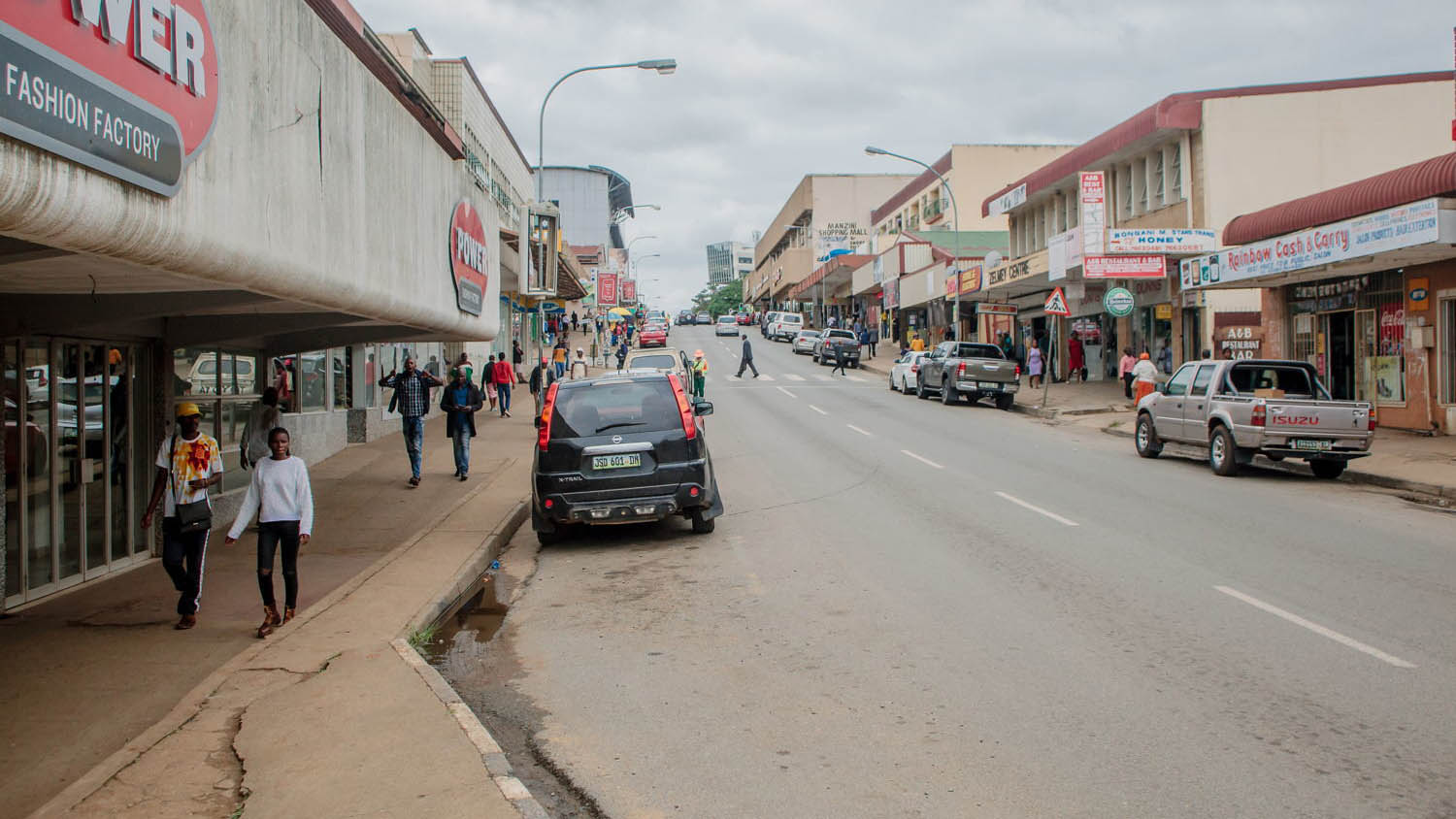
As Eswatini’s towns continue to expand under the pressure of urbanisation, planners are increasingly exploring development models that make better use of limited land while improving quality of life. One such model is mixed-use development – an approach that integrates residential, commercial, retail and social services within a single, well-planned space.
According to Xolile Ginindza, a Physical Planning Officer in the Ministry of Housing and Urban Development, mixed-use developments represent a practical response to the country’s evolving urban challenges.
“Mixed-use developments are planned areas or buildings that combine residential, commercial, retail and social services in one integrated space,” Ginindza explained. “Instead of separating where people live from where they work or shop, this model allows communities to live, work and access services within the same area, reducing travel distances and making more efficient use of land and infrastructure.”
Suitability for Eswatini’s urban centres
Ginindza said the model is particularly relevant for urban centres such as Mbabane and Manzini, where population growth and land constraints are becoming more pronounced.
“Due to the increase in the number of people coming to urban areas for various reasons, mixed-use development is an ideal option,” she said. “With urbanisation and the challenging topography, especially in Mbabane, land availability is increasingly getting scarce. Mixed-use development can address this by encouraging efficient land use, concentrating activities vertically and reducing urban sprawl.”
She added that well-planned mixed-use areas could also assist in dealing with informal settlements. “Properly planned mixed-use developments can help formalise and uplift existing unplanned communities,” Ginindza noted.
Key benefits
Outlining the benefits, Ginindza said mixed-use developments could significantly improve housing delivery. “They encourage compact, higher-density housing, which reduces urban sprawl and can even promote urban agriculture,” he said.
The officer stressed that convenience is another major advantage. “Mixed-use development can cut down travel times and daily transport costs, which is especially important in contexts where public transport options are limited.”
Economic benefits would also follow. “By integrating commercial and residential spaces, you create easy pedestrian movement, which fosters small enterprises, restaurants and services that might not survive in single-use zones,” Ginindza explained.
From a service delivery perspective, Ginindza highlighted the efficiency gains. “When housing is developed together with infrastructure such as water, roads, electricity and sanitation, planning becomes holistic. This reduces fragmented settlement growth and improves servicing efficiency.”
Infrastructure & planning readiness
On infrastructure readiness, the officer acknowledged that while Eswatini has a relatively well-developed national road network and functional urban roads in core CBD areas, challenges remain.
“Congestion is increasing along the Mbabane–Manzini corridor, public transport is largely informal and minibus-based, and pedestrian and cycling infrastructure is limited,” Ginindza said.
“However, the mixed-use development model enhances walkability, improves public transport connectivity and reduces reliance on private vehicles.”
The officer cautioned that increased density would require upgrades in other services.
“Water and sanitation systems may need expansion and upgrading and electricity grid capacity may have to be strengthened in high-density zones,” Ginindza said.
Challenges and risks
Despite the opportunities, Ginindza warned of several risks. “Community acceptance can be a challenge, as residents may resist higher densities due to concerns about congestion or changes in neighbourhood character,” she said.
Affordability is another concern. “Without proper policy safeguards, developments may end up catering mainly to middle- and high-income groups,” he noted, adding that financing constraints and the need for strong institutional coordination could also slow progress.
“These risks can be mitigated through proper stakeholder engagement, phased development and clear regulatory frameworks,” Ginindza emphasised.
Policy direction and the role of the private sector
Looking ahead, Ginindza said the ministry is considering reforms to enable mixed-use development. “This includes revising and developing, where necessary, town planning schemes and related legislation to allow mixed-use categories and integrating mixed-use principles into national and local development plans,” she said.
Ginindza stressed the importance of collaboration.
“Private developers would play a critical role in financing and implementing projects, while government would provide regulatory guidance, infrastructure investment and oversight.
Public-private partnerships could be instrumental, especially for large-scale developments along strategic growth corridors like the Mbabane–Manzini corridor.”
In conclusion, Ginindza stressed that success would depend on cooperation. “A collaborative approach between government, municipalities and the private sector is essential to ensure that mixed-use developments in Eswatini are inclusive, sustainable and economically viable.”














Leave a comment