

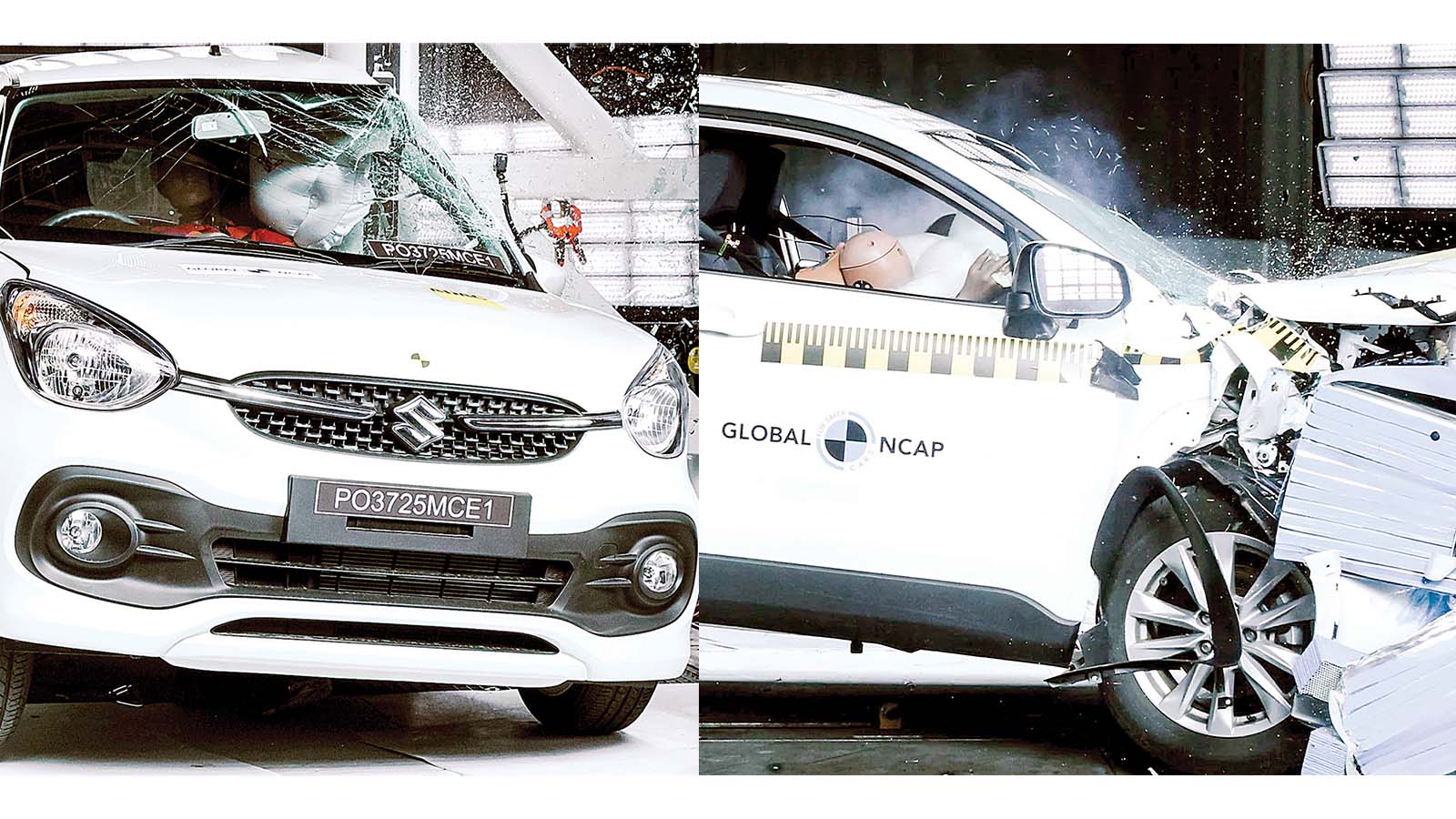
For many emaSwati motorists today, buying a car is no longer just about price, fuel economy or how good it looks on the road. Safety is fast becoming a deciding factor, especially as more vehicles on local showrooms now proudly display star ratings from the Global NCAP.
You’ve probably seen these stars in car adverts or heard a dealer mention them, but what do they really mean for you, your family and the roads you drive on every day? With more vehicles being tested, tougher assessment rules in place and a stronger focus on cars sold in developing markets like ours, NCAP ratings are now more relevant to the local driver than ever before.
Before choosing or comparing cars based only on a star score, it’s important to understand how these safety ratings are done, what is tested and which features truly matter in real-life crashes on roads.
This simple guide breaks down the NCAP safety rating system, explains what goes into the tests and helps you understand how to use the results to make a safer, more informed decision when buying your next car.
What is Global NCAP?
Global NCAP (Global New Car Assessment Programme) – A Car Safety Assessment Programme funded by the FIA Foundation. NCAP aims to measure the safety quality a car provides to passengers in the event of an accident. Though the NCAP schemes operate in various parts of the world – Euro NCAP, Latin NCAP and ASEAN NCAP – the importance of Global NCAP lies in its focus on developing nations, such as ours, Eswatini.
The initiative began in 2011 to ensure uniformity in the standards for conducting car crash tests worldwide and to facilitate the adoption of enhanced car safety standards in nations where such norms were in the process of development.
With time, the protocols by Global NCAP have changed. Initially, the tests focused on the car’s performance in the offset crash test, while the protocols from 2022 to 2023 cover aspects such as stability, child protection features and the presence of active safety features. Currently, assessment requirements have become stricter, providing prospective owners with a realistic view of the car’s safety level.
How are new cars assessed?
The Global NCAP’s vehicle assessments used to centre on the front offset collision test, although the standards have toughened over the years. With the new standards for the assessment of passenger car requirements under the UN norms for 2022, the assessment pattern focuses on bodyshell rigidity, child protection and essential active automotive technologies.
The offset front collision remains the major component of the assessment process. In the offset front collision test, the car is driven at 64km/h towards the deformable barrier with a 40 per cent overlap, thereby simulating a typical collision between two cars of equal weight travelling at equal speeds.
The dummies depict an average family, with the two parents seated in the front and the two children in the ISOFIX-supported seats at the back of the car. The results from the dummies comprise the Adult Protection (AOP) and Child Protection (COP) scores. Currently, the Global NCAP assessment also includes support features for enhanced safety, such as Electronic Stability Control (ESC), side-impact protection and seat belt reminders.
These changes mean the star ratings you see in today are far more comprehensive, stricter and representative of real-world road safety than the original star rating scheme designed for the programme.
Adult Occupant Protection Score
Adult Occupant Protection (AOP), based on the new protocols from the Global NCAP, is rated on a 34-point scale, providing an assessment much more detailed than the previous 16-point scale.
These points are derived from readings taken on adult dummies during offset and side-impact tests of crucial body parts, including the head, neck, chest, abdomen, knees, femur and tibia, to measure the level of protection provided by the car during an actual impact. In addition to injury risk information, the Global NCAP score also includes points for basic safety features.
Features such as ESC (Electronic Stability Control), belt warning and side-impact protection, when made standard, enhance the AOP score. In the final calculation, the score also takes into consideration the rigidity of the passenger compartment during an impact, which might greatly increase the risk of serious injury in the event of a passenger compartment collapse.
Since the new points scheme is stricter and more detailed, the assessment of adult occupant protection in a car in 2025 yields a clear result on the car’s crashworthiness compared to earlier years.


















Leave a comment