

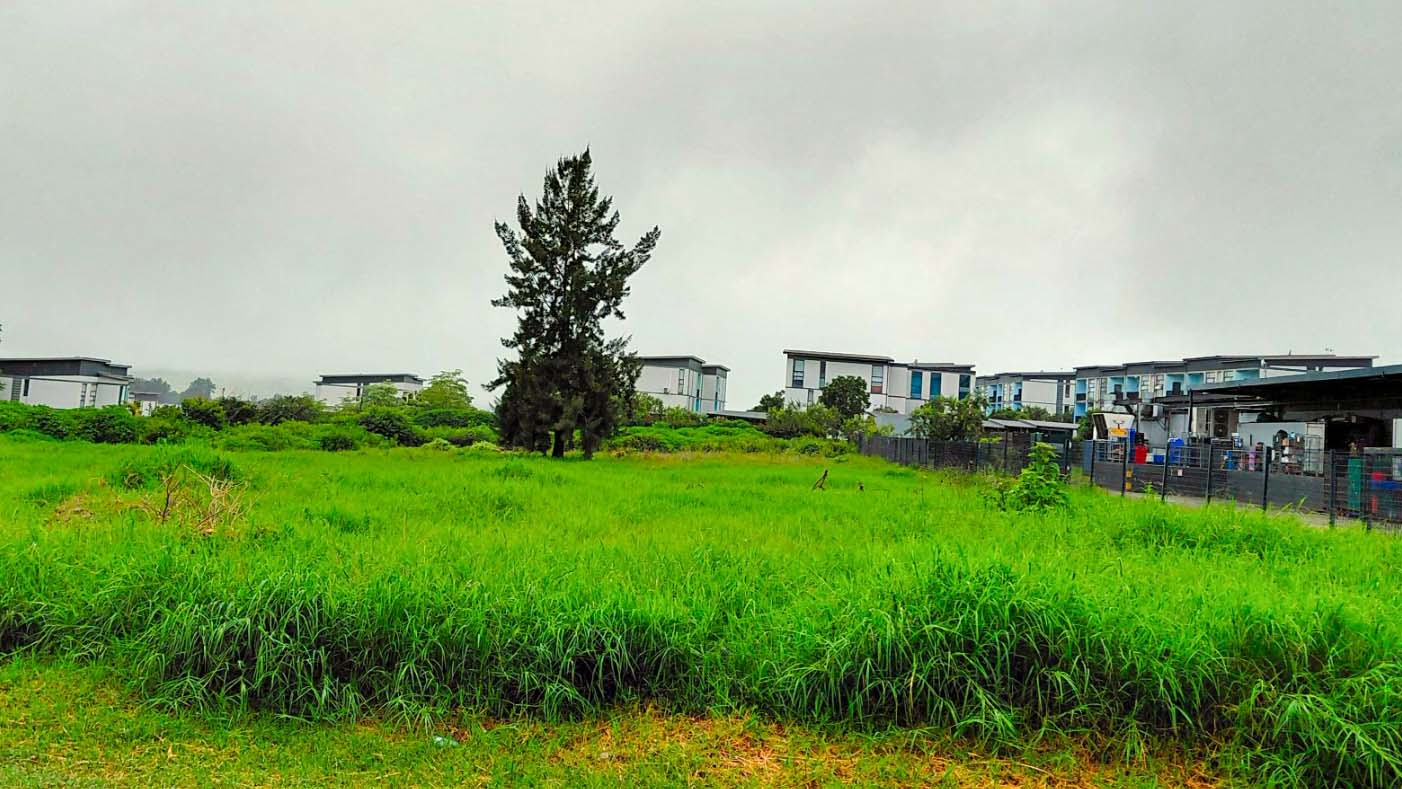
Buying that available piece of land for the first time is the best experience.
This is where you envision building your dream home or business for you and your family. In some instances, you may find that things do not go according to plan, so you find yourself leaving your plot unattended to which may result to overgrown vegetation. This, as a result, starts raising attention from local municipalities as these properties become a nuisance to the neighbouring properties and to the overall environmental health of the town.
Malkerns Town Council’s Letinhlanhla Ntshalintshali from the Public Health and Environment Department takes us through why it is essential to maintain and clear overgrown vegetation on plots. “It is of critical importance that property owners regularly maintain and clear overgrown vegetation on their plots to comply with the provisions of the Public Health Act No.5 of 1969, specifically Part III, Section 8 and Section 11 (d), (n) and (t).
“Section 8 places a general duty on property owners to ensure that their premises do not constitute a nuisance or a danger to public health. Furthermore, Section 11 defines what constitutes a nuisance, including conditions that are injurious or dangerous to health, or liable to facilitate the spread of disease,” shared Ntshalintshali.
What does regular maintenance do?
Prevents the creation of public health nuisances.
Promotes environmental hygiene and sanitation.
Enhances the aesthetic value of the town.
Upholds property standards within the municipality.
Failure to maintain vegetation may therefore be interpreted as permitting a ‘Nuisance’, which is an offence under the Act.
The causes of overgrown vegetation
The prevalence of overgrown vegetation within urban areas such as Malkerns is generally attributed to a combination of socio-economic and administrative factors, including:
Absentee land ownership, where property owners reside outside the jurisdiction and fail to regularly inspect or maintain their properties.
Neglect and lack of routine maintenance, particularly on undeveloped or idle plots.
Financial constraints, which may limit the ability of owners to engage clearing services.
Speculative land holding, where land is acquired for future use but left unattended for extended periods.
Seasonal climatic conditions, especially during the rainy season, which accelerate vegetation growth.
Risks or dangers associated with neglected properties
Neglected properties with overgrown vegetation present a wide range of environmental health and safety risks, including but not limited to:
Public health risks: Overgrown vegetation creates ideal breeding grounds for mosquitoes, which are vectors for diseases such as malaria. It also harbours rodents and other pests capable of spreading disease.
Environmental hazards: Such areas often attract illegal dumping of waste, further compounding sanitation challenges and environmental degradation.
Safety and security risks: Dense vegetation can be used as hiding places for criminal elements, thereby increasing the risk of theft and other unlawful activities within the community.
Fire hazards: Dry, unmanaged vegetation significantly increases the risk of veld fires, which may spread rapidly and threaten life and property.
Physical hazards: Overgrowth may conceal dangerous objects, uneven ground, or harmful wildlife such as snakes, posing a direct risk to residents and passersby.
In terms of the Public Health Act No. 5 of 1969, such conditions fall within the definition of ‘Nuisances’ that are injurious to health and must be abated.
How overgrown vegetation impacts surrounding community
The impact of overgrown vegetation extends beyond the individual property and affects the broader community in several ways:
Degradation of neighbouring properties: Adjacent properties may experience reduced value and diminished living conditions due to proximity to neglected land.
Spread of pests and vectors: Pests originating from unmaintained plots often migrate into neighbouring homes, creating secondary health concerns.
Encroachment into public infrastructure: Vegetation may extend into roads, sidewalks, and drainage systems, obstructing movement and contributing to flooding due to blocked drainage.
Reduction in urban aesthetics: The overall appearance and attractiveness of the town are negatively affected, undermining efforts to promote Malkerns as a clean and well-managed urban area.
Public nuisance: In line with Section 11 of the Act, such conditions are classified as nuisances affecting not only individual neighbours but the public at large.
Measures taken when owners fail to maintain plots
The Malkerns Town Council follows a structured and legally compliant enforcement procedure:
Identification and inspection: Routine inspections are conducted by the Public Health and Environment Office to identify non-compliant properties.
Issuance of written notices: Property owners are formally notified in writing that their plots are in contravention of the Public Health Act No. 5 of 1969.
Compliance period: Owners are granted a certain period from the date of notice to clear the overgrown vegetation and restore their properties to acceptable standards.
Follow-up inspections: After the lapse of the compliance period, inspections are conducted to assess whether corrective action has been taken.
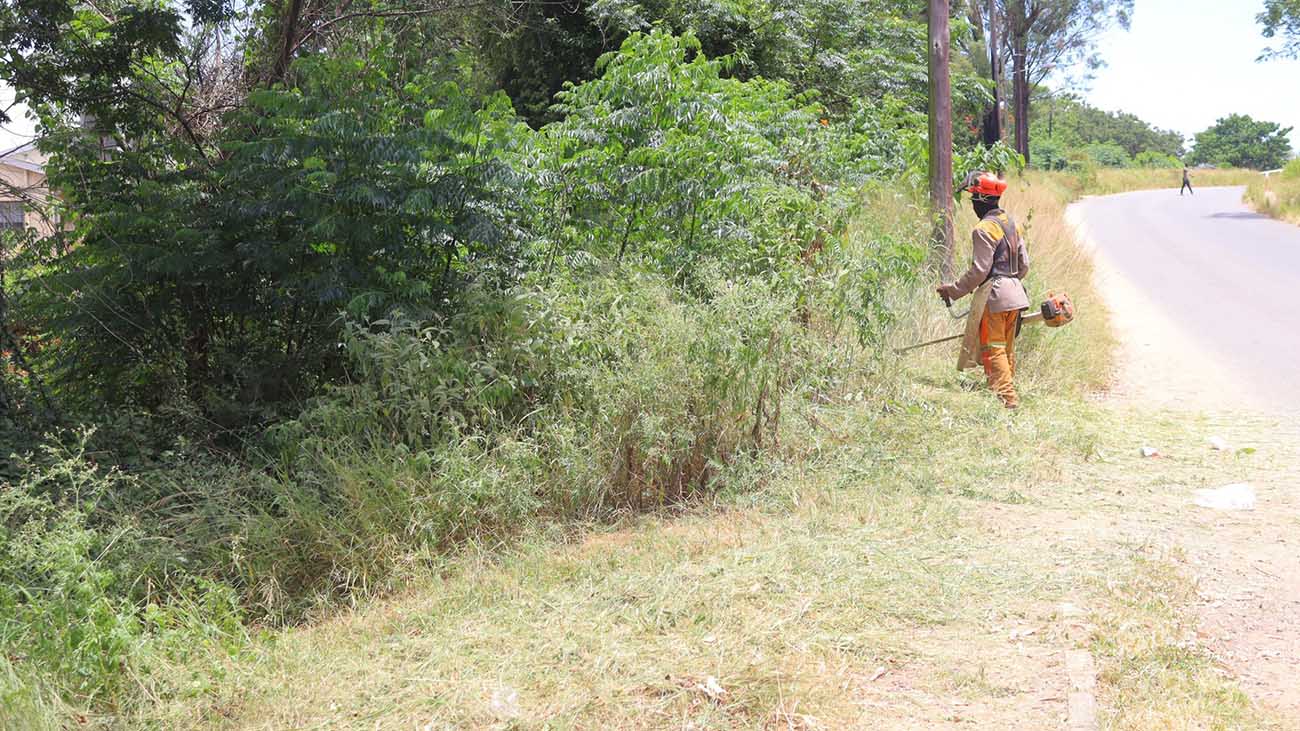
Council intervention: Where there is failure to comply, the Council proceeds to clear the vegetation using its own resources or appointed service providers.
This process ensures fairness, transparency and adherence to due process.
Penalties or enforcement procedures in place for non-compliant
Enforcement measures are clearly provided for under the law and Council procedures.
Property owners who fail to comply with the notice should expect the following:
Forced compliance: The Council will undertake the clearing of the property without further notice.
Cost recovery: All costs incurred during the clearing process will be charged to the property owner, in accordance with Council by-laws and administrative procedures.
Liability disclaimer: The Council shall not be held liable for any damage to or removal of vegetation, including ornamental or intentionally planted vegetation, during the execution of enforcement actions.
Legal implications: Continued non-compliance may expose property owners to further legal action as provided for under the Public Health Act No. 5 of 1969, particularly where a nuisance is deemed to persist.
Residents are, therefore, strongly encouraged to comply within the stipulated timeframe to avoid incurring unnecessary costs and potential legal consequences.
















Leave a comment