

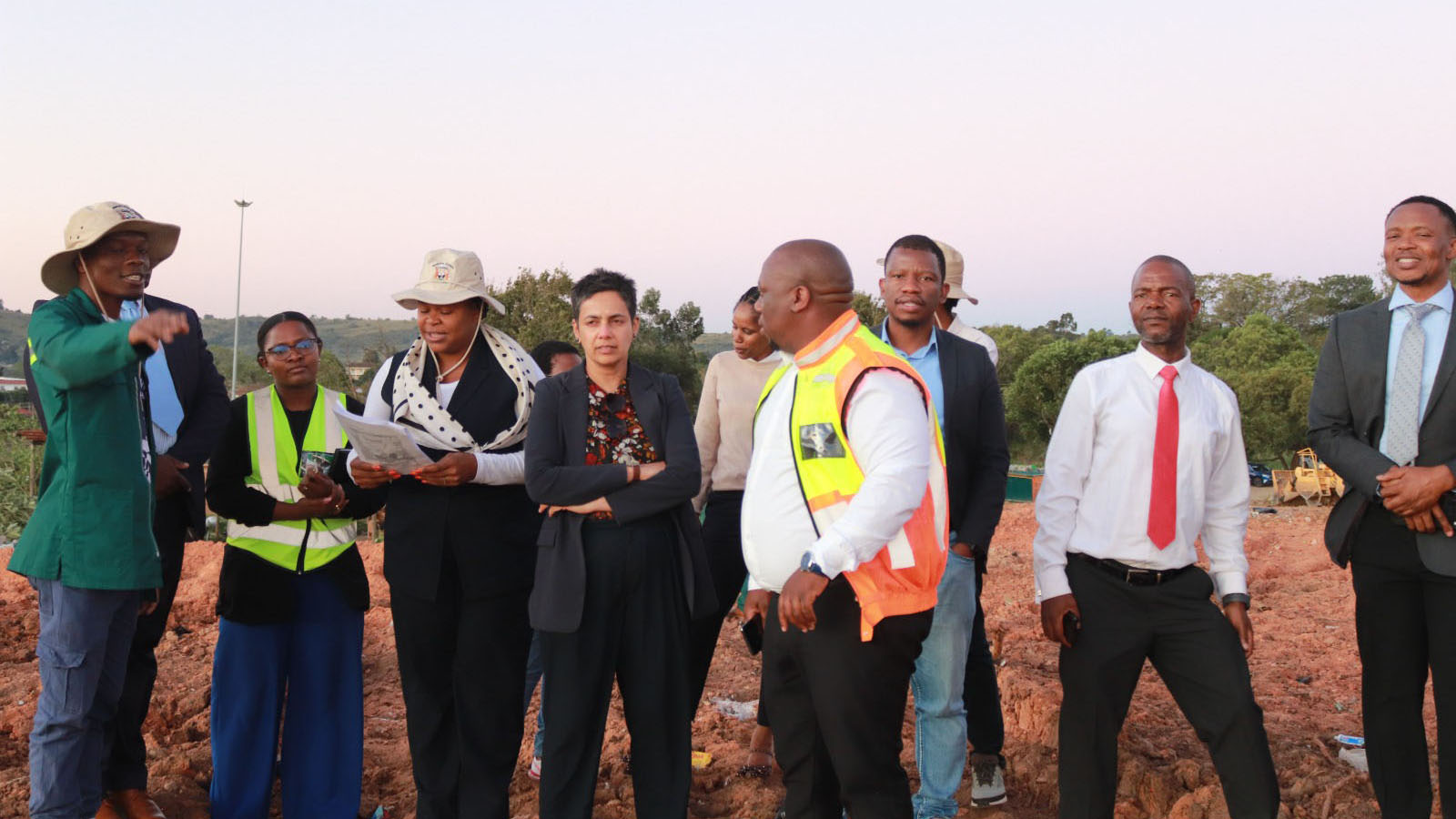
The Ministry of Housing and Urban Development, together with a delegation from the World Bank Urban Resilience, Disaster Risk Management and Land Unit, convened an important engagement on Wednesday, May 13, 2026, aimed at strengthening collaboration on urban and peri-urban development in Eswatini.
The mission brought together the ministry and local authorities to better understand current urban development priorities, key developmental challenges and identify possible areas of collaboration with the World Bank. The engagement also sought to map a way forward for continued dialogue and partnership in support of sustainable development and the country’s long-term urban and rural transformation goals.
Key development priorities identified
During discussions, stakeholders highlighted several critical interventions and strategies considered essential for shaping the future of urban development in the country.
Among the key priorities raised was the urgent need for the preparation of a National Spatial Planning Framework that would guide land use planning and bulk infrastructure development across the country.
development
Stakeholders also emphasised the need for financing for bulk infrastructure development in urban areas, noting that growing towns and cities require improved infrastructure systems to support population growth and economic expansion.
Another major issue highlighted was the need for a clear and approved intergovernmental fiscal transfer system and policy.
Participants stressed that implementing a clear fiscal transfer framework is critical in ensuring that local authorities have adequate financial resources to improve service delivery, maintain infrastructure and effectively manage growing urban populations.
Msunduza Township upgrade highlighted
As part of the engagement, the ministry led the World Bank delegation on a site tour along the Ngwenya to Manzini corridor.
The tour began in Mbabane, where the delegation visited Msunduza Township, which was upgraded through funding sourced from the World Bank under the Urban Development Project (UDP).
The project included the development of infrastructure within the township and the allocation of plots to ensure security of tenure for residents occupying the area.
Representatives from the Eswatini Housing Board together with officials from the Municipal Council of Mbabane led discussions on the implementation of the project, challenges encountered, issues around the collection of municipal rates and the management of township-related matters.
Waste management challenges in Mbabane
The delegation later proceeded to the Mbabane Sanitary Landfill, where council officials outlined the daily operations of the facility as well as the environmental and operational challenges it continues to face.
Discussions focused on measures being implemented to improve waste management and cleanliness within the city, including the need for investment in modern waste disposal systems and sustainable environmental management practices to ensure cleaner and healthier urban spaces.
Rail redevelopment plans discussed in Ngwenya
At the Ngwenya Town Board, discussions centred around government plans to redevelop the country’s rail connection network in order to improve transportation systems and reduce heavy vehicle traffic on roads.
Stakeholders noted that heavy trucks contribute significantly to the wear and tear of road infrastructure.
The proposed rail redevelopment initiative is expected to improve mobility, reduce pressure on roads and contribute to economic growth through improved transport connectivity.
Ezulwini traffic solutions proposed
In Ezulwini, council representatives presented findings and recommendations from the town’s traffic study aimed at addressing congestion and improving mobility.
priority
One of the priority recommendations is the development of a road connecting the MR103 to the MR3 around the new Central Route area. The proposed development is intended to ease traffic congestion experienced during peak hours and improve the flow of vehicles within the town.
Another important project identified was the need to widen the MR103 into dual lanes from the Mvutjini entry point to the Eswatini Water Services exit point.
Officials noted that these projects would significantly improve traffic flow and urban mobility in the area.
Matsapha Industrial traffic concerns raised
The delegation also visited Matsapha Town Council, where officials highlighted traffic congestion within the industrial area as a major challenge and deterrent to industrial investment.
The discussions emphasised the need for proper planning and infrastructure support to ease congestion and ensure sustainable industrial growth, economic development and job creation.
Informal settlement upgrades in Mhobodleni
The team later visited Mhobodleni Township to assess progress made by government in upgrading the informal settlement. Officials explained that the initiative seeks to formalise the settlement and improve residents’ standards of living through improved road infrastructure and enhanced accessibility.
The visit demonstrated how proper planning and strategic infrastructure investment can improve mobility, connect communities and enhance the daily lives of citizens.
Need for improved waste management in Manzini
The final stop of the visit was at the Manzini Controlled Dumpsite, where the local authority highlighted the urgent need for funding to establish a sanitary landfill facility and decommission the current controlled dumpsite. Officials also outlined plans to upgrade the Mangwaneni informal settlement in order to strengthen environmental protection and address risks associated with the current state of the settlement.
Commitment to Sustainable Urban Development
The engagement highlighted the importance of collaboration between government ministries, municipalities, development partners and local communities in building sustainable, resilient and well-planned settlements in line with the Sustainable Development Goals (SDG 11). The mission also demonstrated Eswatini’s continued commitment to improving infrastructure, strengthening spatial planning, enhancing environmental management and creating better living conditions for all emaSwati.















Leave a comment