

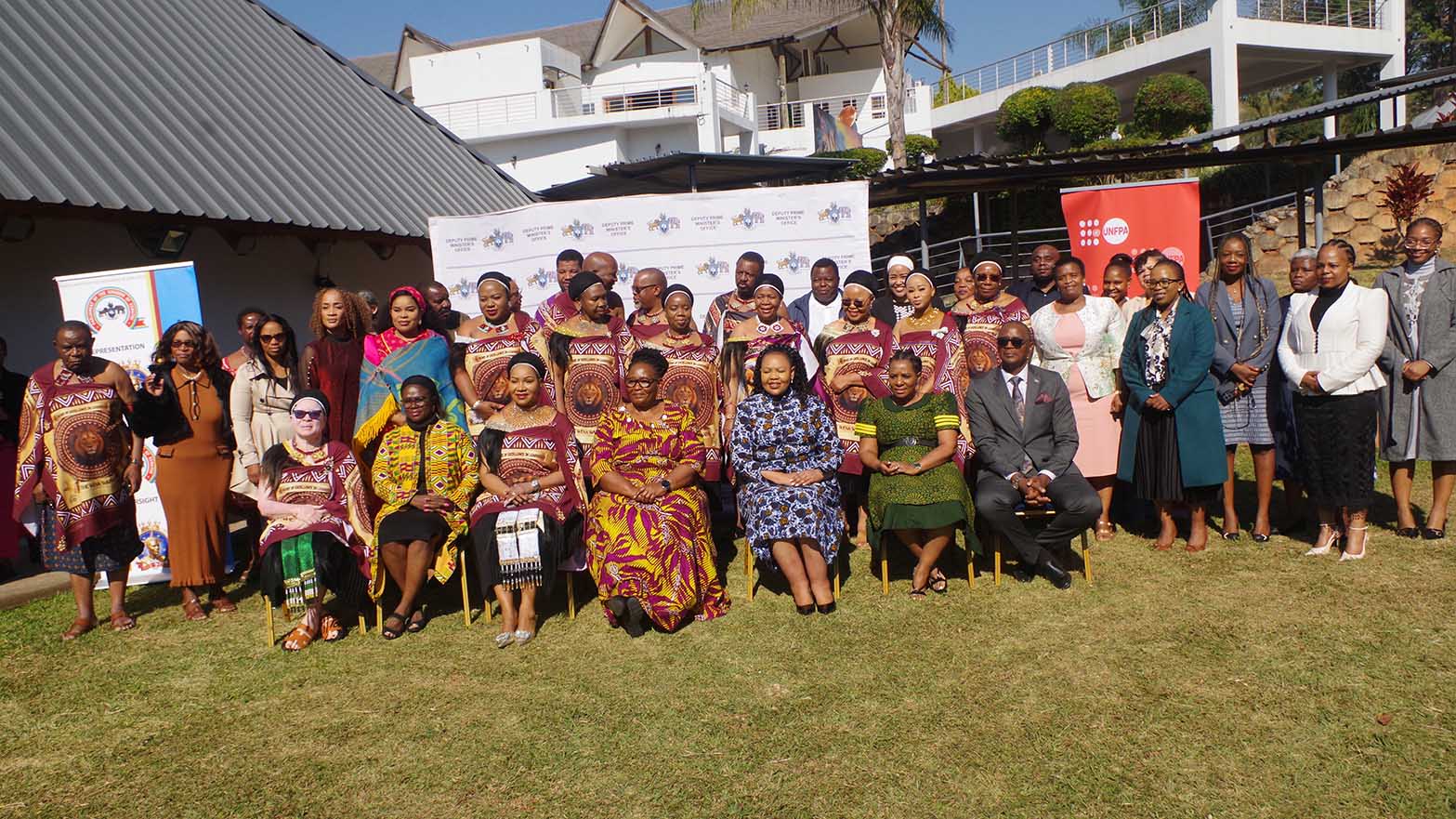
EZULWINI – Deputy Prime Minister Thulisile Dladla has condemned men who abuse and kill women, questioning how perpetrators can claim to love their victims before committing violent acts against them.
Dladla said this during the official opening of a sensitisation workshop on the African Union Convention on Ending Violence against Girls and Women held at SibaneSami Hotel.
The African Union Convention on Ending Violence against Women and Children was adopted by the heads of State and government of the African Union during the 38th Ordinary Session held in Addis Ababa, Ethiopia, in February 2025.
This instrument constitutes the first continent-wide binding legal framework specifically dedicated to the eradication of violence against women and girls in Africa. In Eswatini, it became an emphasis when His Majesty King Mswati III officially opened the third session of the 12th Parliament.
She said the country’s efforts to combat gender-based violence (GBV) had reached a stage where Parliament could confidently consider ratifying the landmark Convention.
Dladla expressed concern over reports of men who allegedly pretend to care for women before subjecting them to sexual violence and murder.
She said some perpetrators had the audacity to engage in sexual relationships, kill women and dispose of their bodies in hidden places, while later behaving as if they had done nothing wrong.
“How do you love, rape, kill and then dump her? Men’s character is hard to understand,” she said.
The DPM said ending violence against women remained a priority for government, adding that the increasing reports of abuse had shocked both women and men.
She, however, noted that government was also aware that boys and men were victims of abuse, including rape perpetrated by other men.
Dladla said Eswatini had demonstrated readiness to move towards ratifying the African Union Convention, which seeks to strengthen measures aimed at preventing and responding to violence against women and girls.
She said the country had already established a GBV coordination mechanism involving different stakeholders to guide national prevention and response efforts.
Dladla said Eswatini had also adopted a national strategy on ending violence, which would be reviewed at the end of 2027 alongside the implementation of the Acceleration Plan.
She added that government had strengthened partnerships with civil society organisations, development partners and traditional leaders while investing in survivor-centred services and prevention programmes.
“Additionally, we continue to review our legal and policy frameworks to ensure they remain responsive to emerging challenges and aligned with regional and international standards,” she said.
Dladla said violence against women and girls was not only a human rights violation, but also affected sustainable development, social cohesion and economic progress.
*…
What difference would ratification make? – senators, stakeholders
EZULWINI – Senators and stakeholders present at the Sensitisation Workshop on the African Union Convention on Ending Violence against Girls and Women sought to understand what difference ratification would make.
Many participants noted that numerous laws had already been enacted to address gender-based violence in the country.
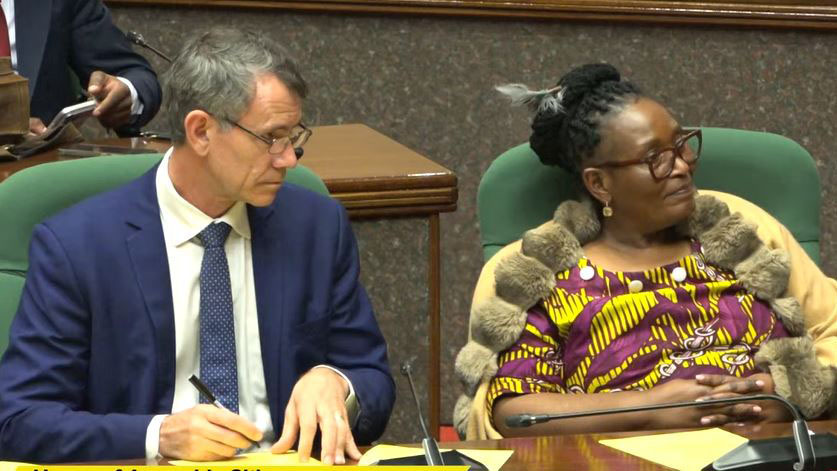
Senator Lizzie Nkosi stated that regulations under the Sexual Offences and Domestic Violence Act of 2018 had been put in place, questioning how much longer the country would continue passing laws. She asked whether there would be a different approach with the ratification of the convention.
“The headlines are disturbing, as they reflect that violence persists despite the existence of multiple laws. Where will this convention take us as a country?” she asked.
Senator Tsembeni Magongo inquired how many countries, out of the 55 in Africa, had ratified the convention.
She also asked what had caused delays for countries, including Eswatini, to do so.
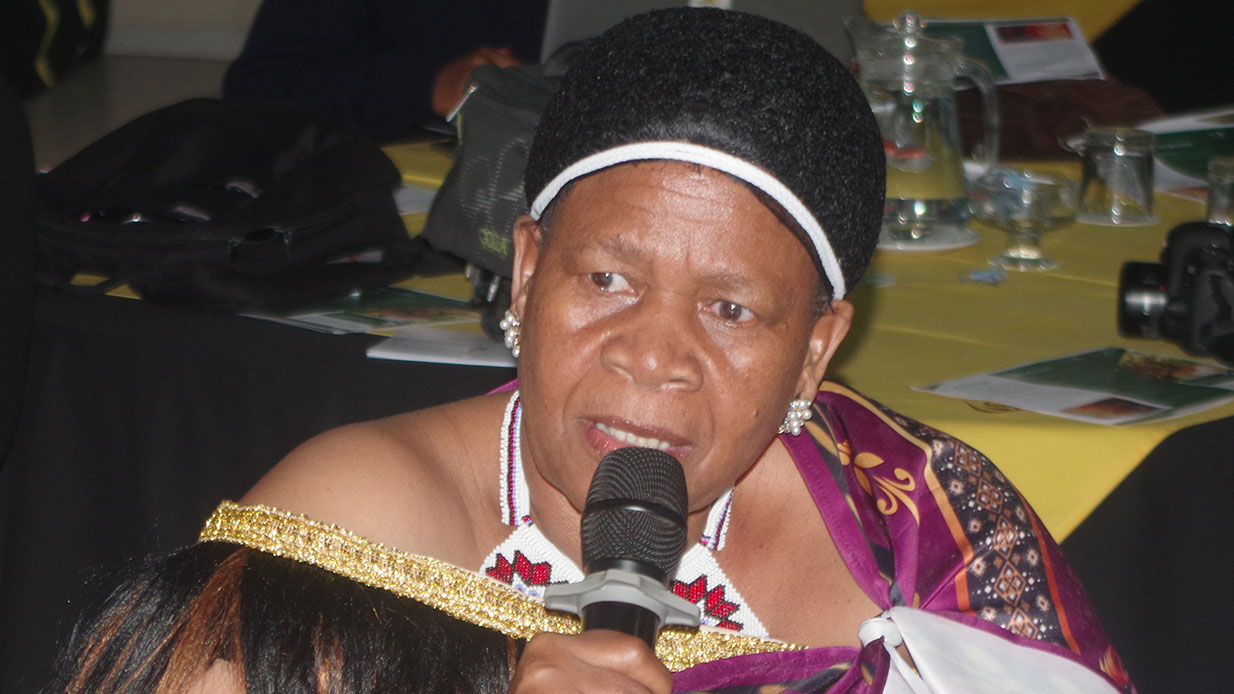
“Is it not because of certain articles that we consider irrelevant to us? We heard the presenters mention cultural practices as one of the challenges hindering the fight against violence towards women and girls. What exactly are these cultural practices?” she questioned.
Magongo was specific about child marriage, which was listed as one of the challenges, and asked how that related to Eswatini, considering it was believed to have been eradicated long ago.
*Full article available on Pressreader*
















Leave a comment