

THE official definition of Made in Eswatini® unveiled during the MSME Growth Forum 2026 is the product of an extensive nationwide consultation that engaged hundreds of stakeholders and challenged long-held assumptions about what it means for a product or service to be truly local. Presenting the findings of the public consultation, Chairman of A Peculiar People Melusi Zox Dlamini said the initiative began with a simple but important question: ‘What truly qualifies as Made in Eswatini?’
“Surprisingly, despite the phrase being widely used for many, many years, there has never been a nationally agreed definition,” he said. Without a shared definition, he explained, it would be difficult to establish a trusted mark of origin, inspire consumer confidence or successfully encourage consumers to choose locally made products. “Without a shared definition, we can’t have a trusted mark. Without a mark, how do we inspire consumer confidence? And if consumers are not able to identify which products are made in Eswatini, how do we then initiate a choose local campaign?” he asked.
Building a definition together
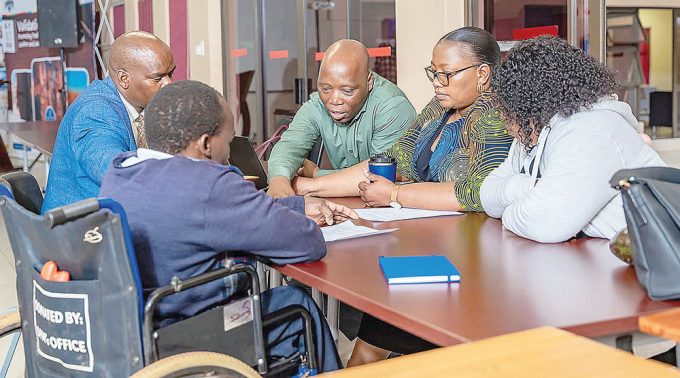
Rather than developing the framework in isolation, A Peculiar People invited consumers, manufacturers, retailers, entrepreneurs, government, the media and other stakeholders to help shape the definition. “To us, this was about creating clarity, credibility and confidence. Our objective was simple, to ensure that when we say Made in Eswatini, every one of us understands exactly what it means. ”The consultations, which generated several hundred responses from virtually every sector of the economy, also included industry visits and engagements with local factories.
Dlamini said the process deliberately moved beyond geographical origin to recognise the broader contribution businesses make to the economy. Following months of consultation, engagements and industry visits, this definition deliberately moved beyond geographical origin. It recognised value creation, innovation, design, services, tourism and manufacturing. Most importantly, it recognised the contribution businesses make towards building our economy.
Strong public support
The consultation findings revealed overwhelming support for the initiative.
According to Dlamini, 95 per cent of respondents supported the proposed definition, while 90 per cent said a trusted Made in Eswatini® mark would positively influence their purchasing decisions. Meanwhile, 94 per cent supported sustainability and ethical business practices as a requirement for using the mark, 81 per cent backed recognition of businesses that create local employment and 73 per cent supported lawful registration and compliance requirements.
Stakeholders also stressed that the mark should remain both credible and inclusive. “Products should carry a Made in Eswatini mark,” one respondent proposed, while another urged organisers to “please include Designed in Eswatini.” Others emphasised that compliance requirements should not become barriers for small businesses. “Please don’t exclude small businesses simply because compliance costs are too high,” one participant appealed.
Among the strongest recommendations was the need for a single national definition that recognises different forms of local value creation.
One definition, multiple pathways
Dlamini said stakeholders also called for the establishment of an independent accreditation Board to protect the integrity of the mark, greater consumer awareness, stronger investment in digital commerce and continued collaboration with government to expand opportunities for local producers. The consultation, he said, has now laid the foundation for a trusted national identity that will help consumers confidently identify and support authentic Made in Eswatini® products and services while strengthening the country’s economic future.















Leave a comment