MBABANE – Smoking in private vehicles carrying passengers under 18 could soon become illegal under Eswatini’s proposed Tobacco Control Bill, 2026.
The proposed Eswatini Tobacco and Related Products Control Bill, 2026, marks a significant milestone in public health reform aimed at curbing the devastating burden of Non-Communicable Diseases (NCDs).
The proposed legislation was presented during a stakeholder consultative meeting with media houses at Mountain View and seeks to overhaul outdated frameworks like the 2013 Tobacco Products Control Act and the 1933 Tobacco Act. The move aligns the kingdom’s legislative landscape with the World Health Organization Framework Convention on Tobacco Control (WHO FCTC) and international best practice standards.
While previous legislation focused primarily on designated public spaces and workplaces, the new Bill extends health protections directly into private conveyances. Under the draft law, lit tobacco products will be strictly banned inside any motor vehicle when a minor is present, closing a longstanding legal loophole that exposed young passengers to high concentrations of toxic smoke in enclosed spaces. Health experts point out that airborne toxin concentrations inside a vehicle can reach hazardous levels within seconds, posing severe respiratory risks to developing children. To further protect young people in their daily environments, the legislation also establishes a mandatory 30-metre smoke-free buffer zone around the entrances, windows and ventilation inlets of public and educational premises. This ensures that children are shielded from passive smoking not only during transit, but also upon entering schools and community spaces.
The Bill introduces strict enforcement measures that hold drivers and vehicle occupants directly accountable, giving law enforcement clear statutory powers to issue penalties for violations involving minors.
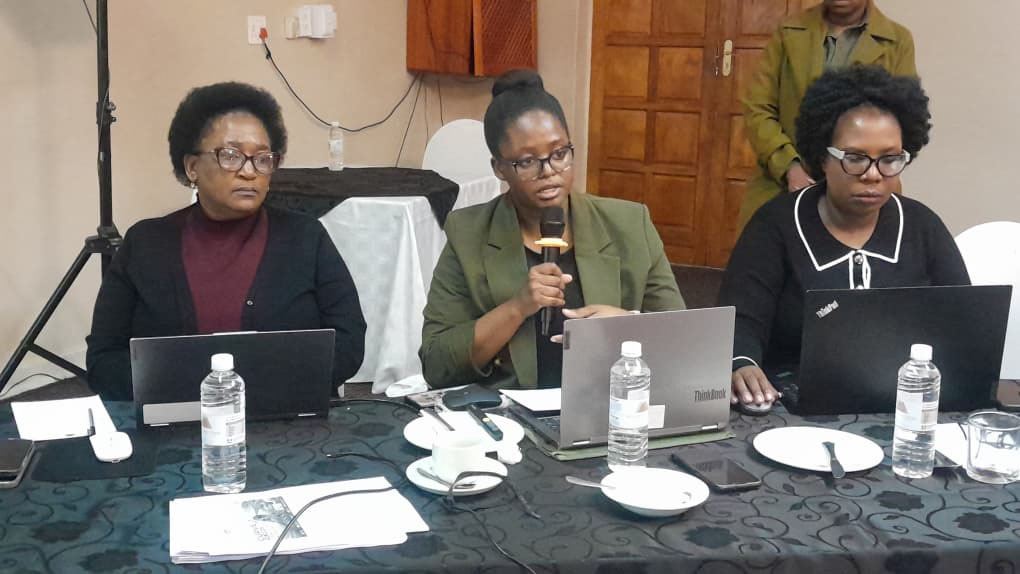
This inclusion forms part of a broader overhaul of Eswatini’s public health framework, aligning national regulations with World Health Organization (WHO) standards and reinforcing child protection across both public and private domains.Speaking during the consultative meeting on Non-Communicable Diseases, Injuries and Mental Health Programme Manager Ntombifuthi Ginindza emphasised the urgent need for a modern legal tool to address emerging public health threats and safeguard future generations. Presenting the rationale behind the overhaul, Ginindza highlighted that updating Eswatini’s tobacco laws ensures the nation is legally equipped to handle non-traditional smoking products and commercial interference.
“The purpose of the legislative reforms of the tobacco control legislation is to ensure that Eswatini laws are updated so that they are more futuristic and provide for emerging tobacco and tobacco-related products,” stated Ginindza during her presentation on the key provisions and alignment of the new legislation. Beyond smoke-free environments, the 2026 Bill revolutionises product packaging and marketing regulations to protect consumers, particularly the youth, from tobacco industry tactics.
The proposed legislation mandates that combined graphic pictorial and text health warnings cover at least 70 per cent of each principal display area on tobacco packaging, far exceeding the WHO’s minimum threshold. The Bill empowers the ministry to introduce standardised plain packaging, stripping products of logos, colours and trademarks, while strictly prohibiting misleading descriptors such as light, mild or emission yield figures.
Furthermore, it establishes a Tobacco and Related Products Authorisation Board, a dedicated Tobacco Control Fund and strict guidelines under Article 5.3 of the WHO FCTC to insulate government public health policies from commercial tobacco industry interference.
…Bill proposes plain packaging, bigger health warnings
Tobacco manufacturers could be forced to adopt plain packaging and larger graphic health warnings under Eswatini’s proposed Tobacco Control Bill, 2026.
The proposed legislation seeks to tighten controls on how tobacco products are packaged and marketed by limiting branding and requiring more prominent health warnings.
Under Sections 15 and 16 of the Bill, manufacturers would be required to display combined graphic pictorial and text health warnings covering at least 70 per cent of both principal display areas of every tobacco package.
The warnings would be printed permanently in both siSwati and English to ensure consumers are fully informed about the health risks associated with tobacco use.
The Bill also empowers the minister for Health to introduce standardised plain packaging through a gazette notice. This would require tobacco products to use uniform colours and standard typefaces while prohibiting logos, trademarks and other branding designed to attract consumers.
It further bans misleading descriptors that could suggest certain tobacco products are less harmful than others. Terms such as ‘light’ and ‘mild’, together with emission yield figures for tar, nicotine and carbon monoxide, would no longer be permitted on tobacco packaging.
The proposed measures are intended to reduce the appeal of tobacco products, particularly among young people, while ensuring packaging communicates health risks rather than serving as a marketing tool.
The Bill also seeks to close other marketing loopholes by restricting promotional practices that could encourage tobacco use and undermine public health efforts.
Meanwhile, more than 3 300 deaths could be prevented in Eswatini over the next 15 years through stronger tobacco control measures, health officials say.
The projection was presented by Non-Communicable Diseases, Injuries and Mental Health Programme Officer Sijabulile Dlamini during a stakeholder consultation on the proposed Eswatini Tobacco and Related Products Control Bill, 2026.