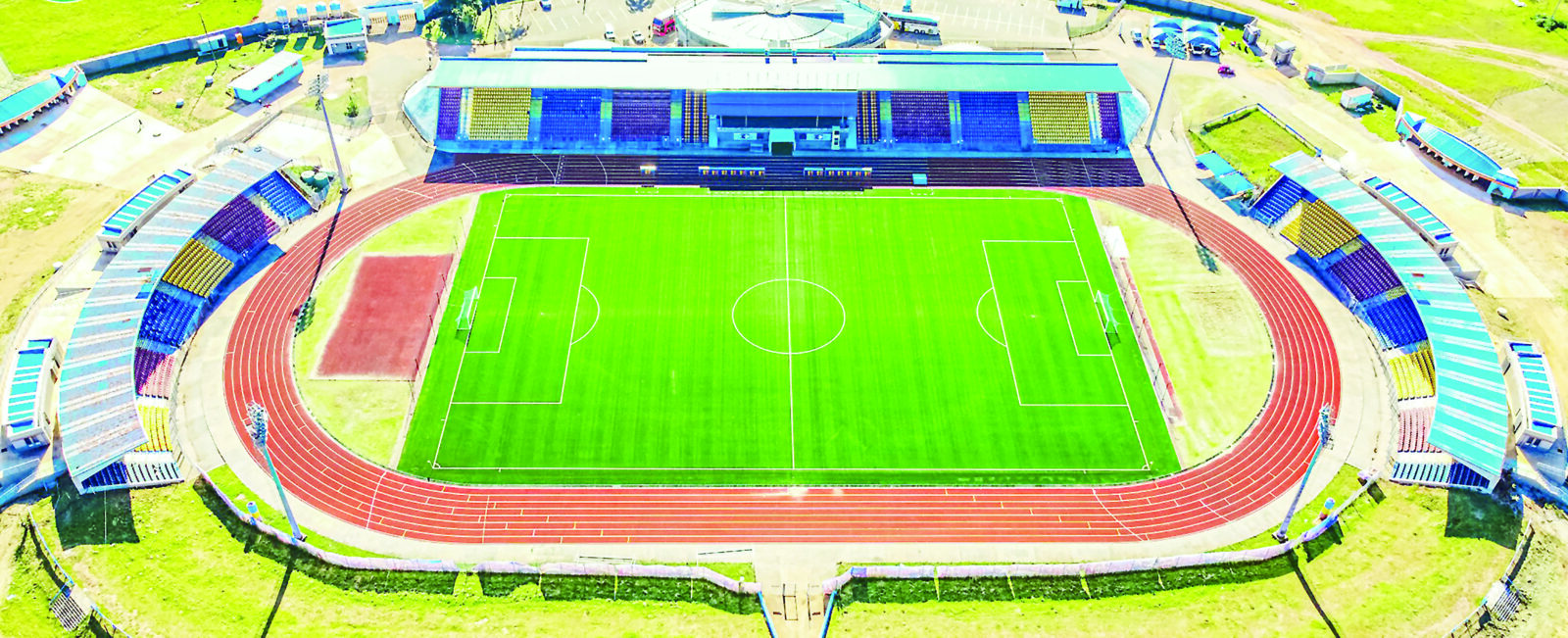
MBABANE – The Premier League of Eswatini (PLE) has urged the government to slash the E10 000 per match Somhlolo National Stadium booking fee.
PLE Chief Executive Officer (CEO) Pat ‘Kungumusa’ Vilakati made the desperate plea to government on Friday during the official launch of the PLE Charity Cup at The George Hotel, revealing that paying E10 000 per match at the national stadium is simply unaffordable for a single club.
The call comes at a critical time when nearly half of the 32 premier league and National First Division (NFD) teams hail from the densely populated Mbabane-Manzini corridor, yet they remain starved of ground to stand on.
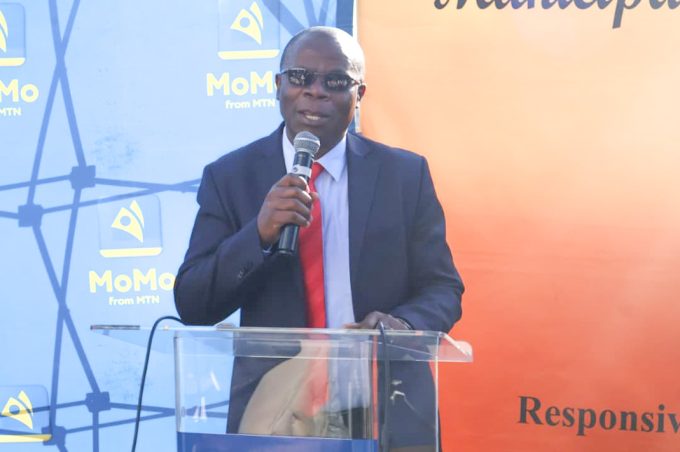
Addressing the Minister of Housing and Urban Development, Appolo Maphalala, who stood in for the Minister for Sports, Culture and Youth Affairs, Bongani Nzima, Vilakati urged the state to consider a cost-sharing framework or a permanent reduction in fees.
“We believe that in terms of the use of the big stadium, Somhlolo, especially for smaller teams, the booking fee must be slashed if government policies allow. It should be highlighted that paying a booking fee of E10 000 per match at Somhlolo is simply too high for a single club. We need to find a way for them to pay a smaller, shared amount,” Vilakati urged.
He suggested a model where four NFD clubs could pool their resources to co-host a single matchday at Somhlolo. Currently, the E10 000 fee per match for elite clubs using the soccer ‘Mecca’ is halved if they co-host, a relief the PLE wants expanded to make the safe, secure venue accessible to lower-tier teams.
The infrastructure emergency has already proved catastrophic for local clubs. Manzini, the kingdom’s commercial hub, has been reduced to just one viable venue at Mavuso Sports Centre, while Mbabane clubs were forced to rely entirely on the Prince of Wales Sports Ground this past season.
“In the Mbabane-Manzini corridor, we are pleading with you, minister; we are facing a severe challenge with the shortage of stadiums. Many teams that were relegated last season were forced to host their games as far out as Lubombo, Shiselweni and Hhohho,” a concerned Vilakati revealed.
The CEO stressed that unlocking stadium access is critical because the central corridor represents the heartbeat of the local game, holding the largest fan base and generating vital employment opportunities. The vast majority of fixtures in both the MulaSport NFD and the MTN Premier League originate within this central zone.
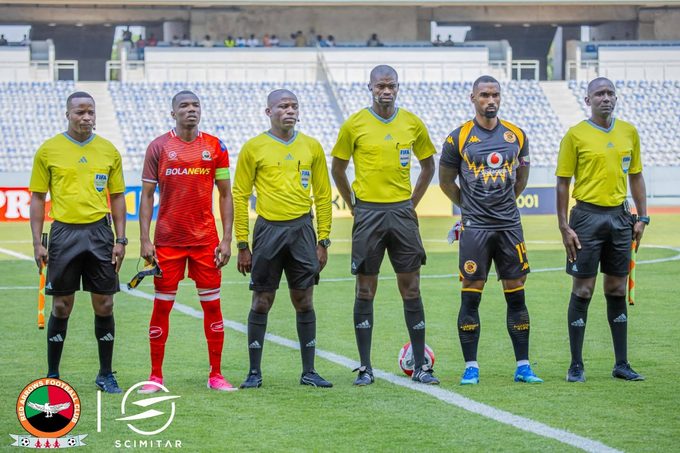
Last season, 11 out of the 16 top-flight clubs were based in the Mbabane-Manzini corridor. Traditional giants Manzini Wanderers, who were sensationally relegated from the MTN Premier League, had to squeeze into Mavuso Sports Centre, occasionally travelling to Mayaluka Stadium.
In the NFD, six out of 16 clubs faced similar distress. The crisis peaked when the private Manzini Club Sports Ground was abruptly shut down towards the end of the season for the alleged construction of a shopping complex.
Forced to scramble for alternative venues, Ludzeludze Killers shifted to Bhunya Stadium while Masundwini Royal Swallows moved to the KaLanga Technical Centre. Ultimately, both clubs failed to dodge the relegation axe.
Looking ahead to the upcoming campaign, the venue headache will intensify for newly promoted Moyeni SuperSpurs and Manzini Sundowns. In the capital, Lozitha Spurs and Emajukujuku are expected to opt for the Prince of Wales ground, as they cannot afford the steep rental costs at Somhlolo National Stadium.
Vilakati further highlighted the devastating economic ripple effect on the wider community. When teams are displaced from their home territories, local vendors lose out on essential matchday trade. Furthermore, host teams suffer heavy losses from gate collections as regular fans cannot afford the high travel costs to faraway, home-away-from-home grounds.
Compounding the crisis, long-term hopes of expanding infrastructure in the hub have been dealt a severe blow. The construction of the Nkonga Technical Centre in Mafutseni has completely stalled after FIFA funding was reportedly frozen until the kingdom secures an internationally approved stadium.
Meanwhile, several Premier League and NFD teams have openly voiced their frustrations regarding the high costs associated with returning to the national arena. Top-flight clubs maintain that the current fee structure is completely unsustainable, placing a severe financial strain on teams already struggling to cope with rising operational costs.
Club public relations officers (PROs) had raised these concerns after a prior announcement by the Ministry of Sports, Culture and Youth Affairs regarding the availability of the national arena for public use. In a press statement released at the time, the ministry announced that Somhlolo National Stadium was officially open for bookings for sporting and other relevant events.