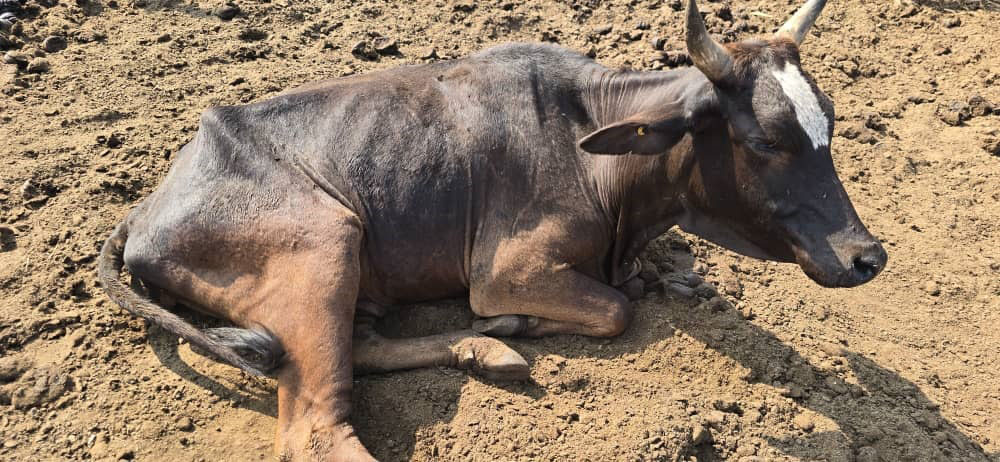
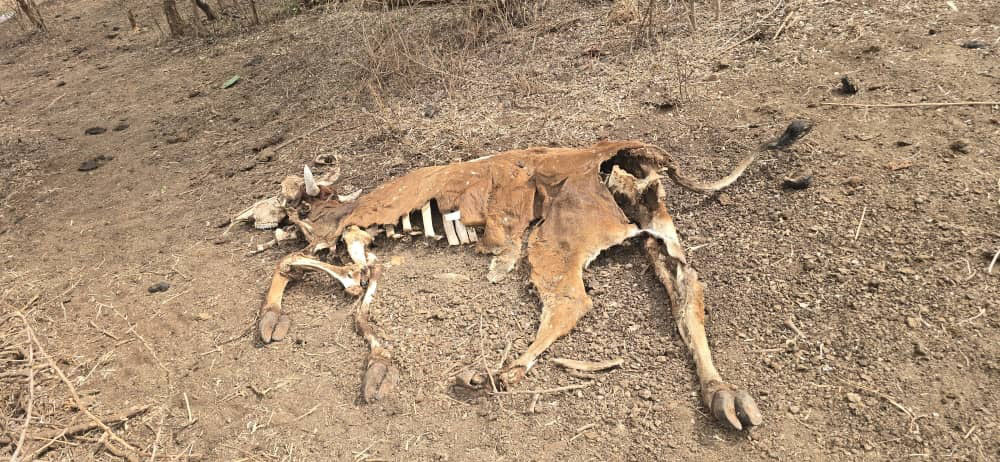
NHLANGANO – Farmers in the Shiselweni Region have been urged to sell their livestock as over 50 cattle have died due to the El Niño-induced drought.
The figure was disclosed yesterday during a high-level emergency stakeholder meeting held at Phumula Guest House in Nhlangano.
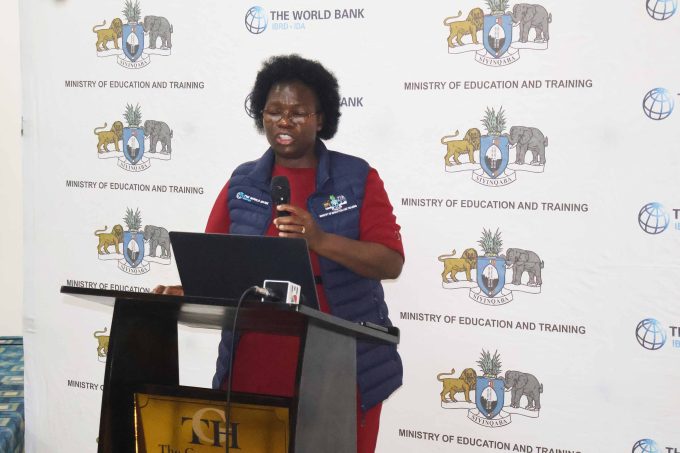
Shiselweni Regional Veterinary Officer Dr Allen Simbai Maruve, representing the Ministry of Agriculture, revealed that severe shortages of grazing pasture and drinking water have caused poor body conditions, increased rates of drought-related abortions and drastically reduced productivity in cattle.
Dr Maruve noted that the mortalities represent a growing threat to local farmer livelihoods and national food security, with Hluti reporting 10 to 20 cattle deaths in the worst-affected communities. Lavumisa experienced more than 20 livestock deaths.
Dr Maruve highlighted that in Hluti, the dip tanks facing critical stress include Tsekwane and Qomintaba, while those experiencing moderate stress include Hlalukane, Dabe, Hlongamanzi, Mgcuphane, Mthontela, Mdumela, Msila, Manzawayo, Siyaya, Goodwill and Mesutha.
Dr Maruve further stated that in Lavumisa, acute livestock water shortages have severely impacted dip tanks at Msuzaneni, Nquthu, Sikhalasabhodo, Mabande, Machanchasa, Tibane, Ntuthwakazi and Nyaningo.
Dr Maruve detailed that common challenges shared across both Hluti and Lavumisa include severe pasture depletion, damaged and drying water sources, long-distance livestock movement, increased disease susceptibility and reduced reproductive performance.
Dr Maruve called for immediate emergency assistance over the next zero to three months, outlining the need for emergency feed support such as hay bales, feed concentrates, mineral licks and community feed banks.
He added that immediate emergency water support must include water tankers, bowsers, storage tanks, livestock drinking troughs and the urgent rehabilitation of existing water points.
Dr Maruve emphasised that medium-term infrastructure priorities must focus on water infrastructure development, including the rehabilitation of damaged earth dams, borehole drilling, solar-powered pumping systems and additional watering facilities.
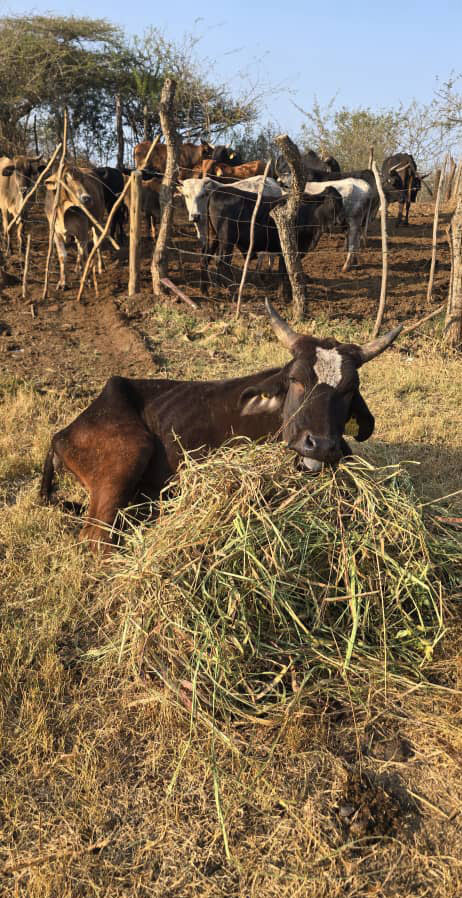
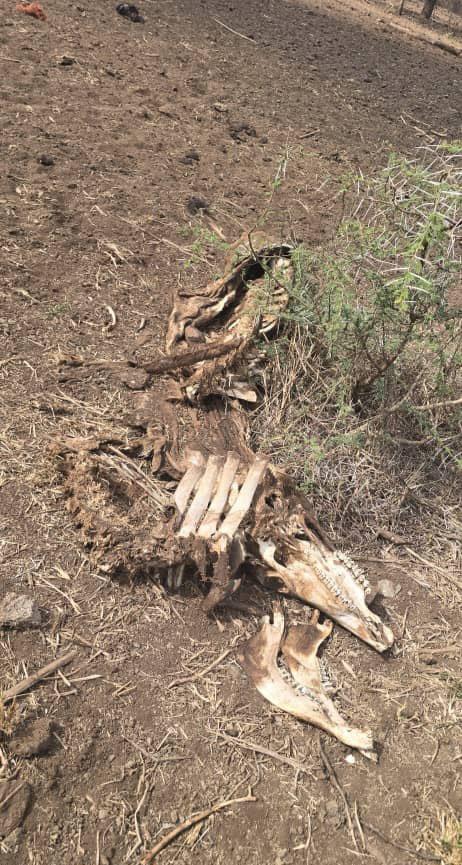
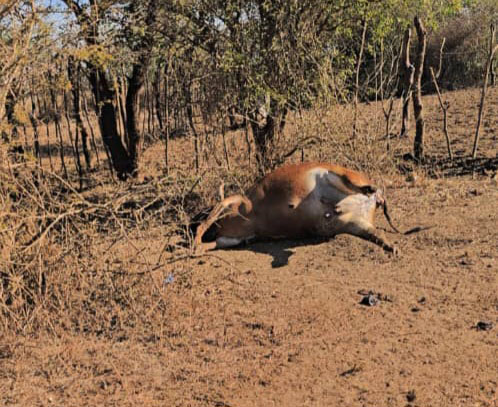
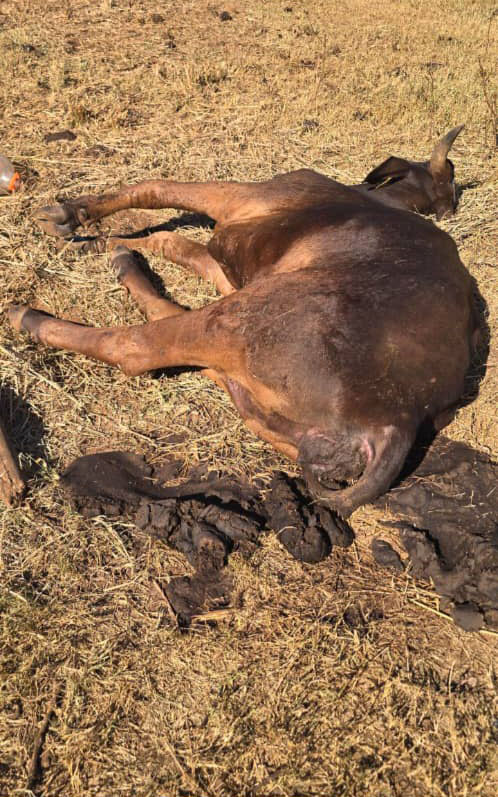
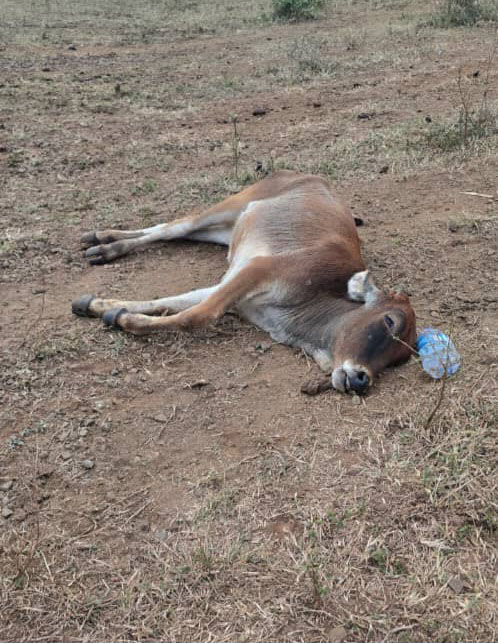
He urged the El Niño Response Team to prioritise emergency livestock feed distribution, emergency water provision, dam rehabilitation and substantial investment in long-term drought resilience measures.
Following Dr Maruve’s presentation, Operations Director Sandile Tfwala of the National Disaster Risk Management Authority (NDRMA – Umvalo Wesive) presented an urgent El Niño climate update sourced from the Eswatini Meteorological Services.
Tfwala warned that global models indicate sea-surface temperature anomalies will peak between November 2026 and January 2027 before declining in mid-2027, overlapping directly with the upcoming planting season and agricultural lean period.
Tfwala stressed that below-normal rainfall and elevated temperatures forecast from October to December 2026 pose immediate risks to crop establishment, with drought conditions expected to persist through March 2027.
Tfwala noted that irregular rainfall has already reduced 2026 maize production down to roughly 70 000 tonnes, compounding high food prices and early stock depletion across the country.
Tfwala stated that rising food insecurity threatens to cause severe meal gaps, acute malnutrition risks and widespread service disruptions across vulnerable communities.
Dr Mvuyo Mabaso from the Ministry of Agriculture presented a detailed report on crop establishment failures and emerging agricultural risks across the region.
Dr Mabaso revealed that farmers who planted early in October in hopes of capturing early Spring rains have suffered major losses after seeds failed to emerge under extreme heat and dry soil conditions.
He reported that total cultivated land for the region currently stands at 105.5 hectares, with an average recorded rainfall of just 27mm. Dr Mabaso explained that the severe lack of soil moisture, coupled with extremely high temperatures, has left early-planted fields stunted and non-viable.
He outlined critical threats facing crop production, noting that elevated soil temperatures and dry earth threaten widespread poor seed emergence and outright crop failure for late planting.
He further warned that hot and dry weather is creating optimal conditions for severe pest surges, citing high risks for Fall Armyworm, aphids, thrips and red spider mites.
Dr Mabaso noted that vegetable production is experiencing acute heat stress, which is driving up irrigation demands beyond current regional capacities.
He emphasised that persistent livestock strain and pasture deficits will continue while high temperatures elevate livestock water stress and drive up tick infestations across affected areas.