MANZINI – The copyright to Eswatini’s siSwati Bible belongs to a South African organisation, limiting the local Bible Society’s printing independence.
Bible Society of Eswatini Board Chairman Sicelo Dlamini said the Bible Society of South Africa holds the copyright to the existing siSwati Bible translation.
He said the arrangement presented challenges whenever the local organisation wanted to print copies independently.
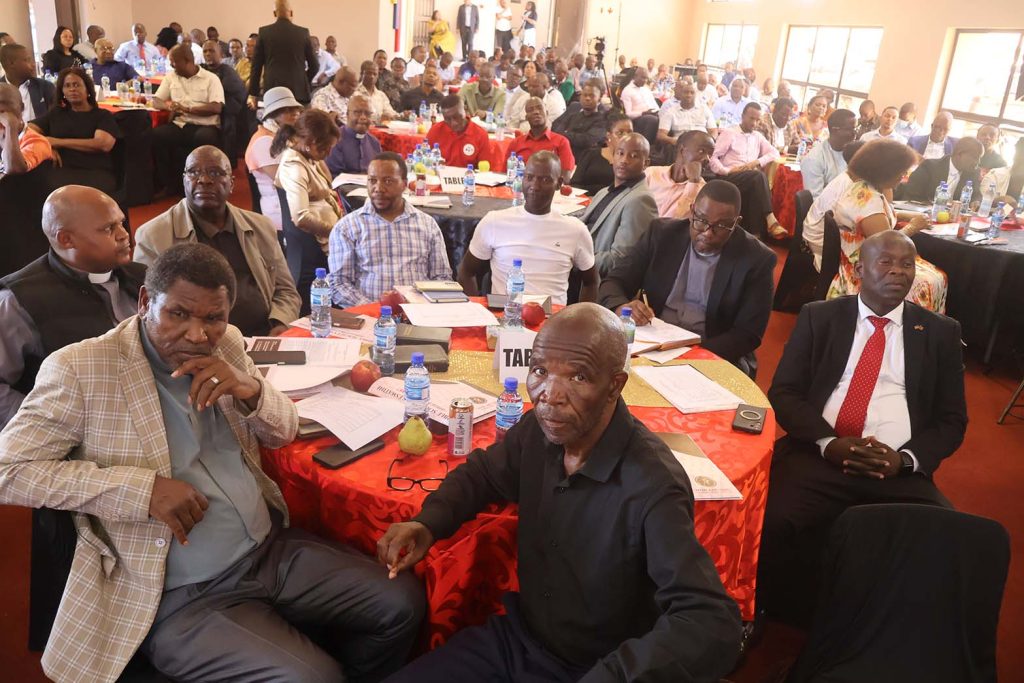
Dlamini disclosed this during a seminar on Bible translation held at the Bible Society of Eswatini offices at Mahlanya.
He explained that although Eswatini has its own Bible Society, the existing siSwati Bible was translated in South Africa, where its copyright remains. The local organisation is now exploring ways to strengthen its capacity to translate, publish and manage the siSwati Bible.
Dlamini said the society wanted to understand the processes and requirements involved in Bible translation before considering steps towards greater independence.
Beyond copyright ownership, he raised concerns about references in the existing translation that did not reflect Eswatini’s circumstances.
He cited the use of the South African currency, the Rand, instead of the Lilangeni.
According to Dlamini, such differences demonstrated the need to consider a translation that better reflected the country’s language and local context.
The seminar, held under the theme ‘Understanding Processes of Bible Translation’, sought to equip participants with knowledge of the procedures and expertise required to translate Scripture.
Dlamini said the exercise was not simply about translating words from one language into another, but also understanding the technical and linguistic requirements of producing an accurate Bible translation.
Speakers included Dr Samy Tioye of the United Bible Societies and Professor Sambulo Ndlovu of the University of Eswatini.
The seminar explored the processes involved in translating Scripture and the requirements for undertaking such work.
Dlamini said the knowledge gained would help the Bible Society of Eswatini consider how the country could assume greater responsibility for translating, publishing and managing its own Bible.