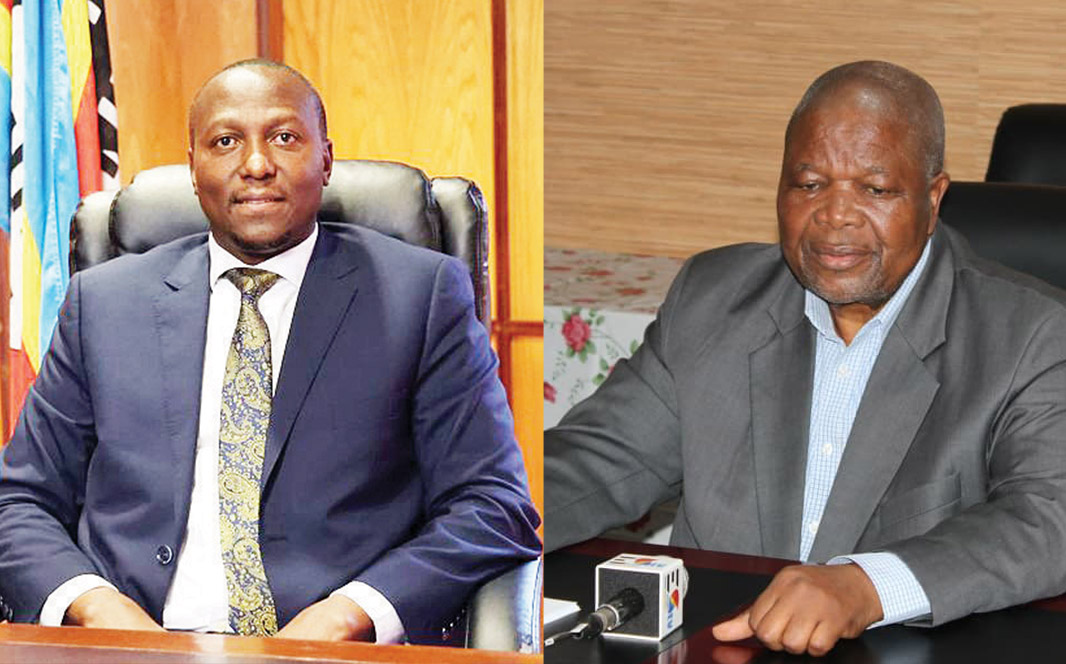
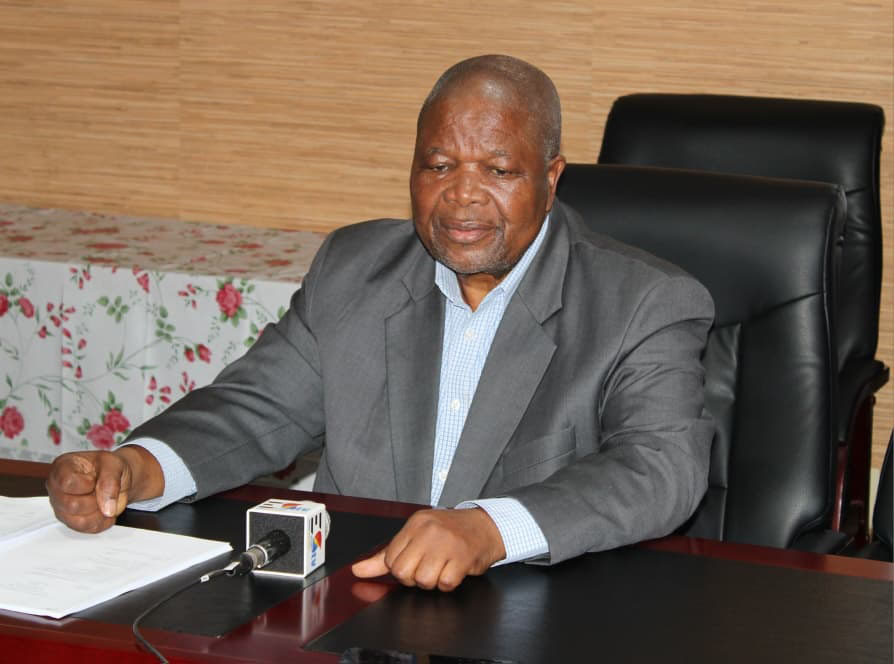
MBABANE – The National Director of the Coordinating Assembly of Non-Governmental Organisations (CANGO), Thembinkosi Dlamini, has called for harmony between the Judiciary and Executive.
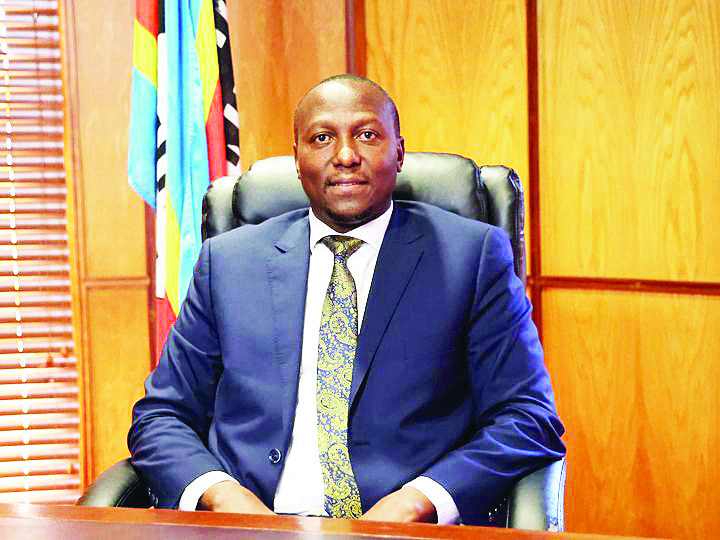
Dlamini was commenting in an interview on the recent public disagreement between Chief Justice Bheki Maphalala and Prime Minister Russell Dlamini over the administration of justice and the country’s fight against corruption.
Dlamini said the growing backlog of court cases, lack of transparency in judicial appointments and prolonged acting appointments in key institutions are undermining public confidence in the justice system.
The CANGO director said while the Constitution guarantees the separation of powers, judicial independence should be accompanied by accountability and institutional reforms.
“The issue of the backlog of cases in the justice system is too high and needs an urgent solution,” Dlamini said.
He argued that for the Judiciary to function effectively, it should enjoy not only constitutional independence but also financial autonomy.
“When you speak about the separation of powers, the Judiciary must be independent, including financially, and have its own professional staff. Those staff members must be properly remunerated and provided with the necessary working tools,” he said.
Dlamini also said there must be transparency and meritocracy in the recruitment of judicial officers.
” Even someone who is still at university should have confidence that one day they will have an opportunity to serve on the Bench through a fair and transparent process,” he said.
He clarified that his comments were not directed at the competence of judges currently serving.
“I am not casting aspersions on those sitting on the Bench, but there should be a recruitment process that inspires public confidence,” he said.
On the ongoing public debate between the Prime Minister and the Chief Justice, Dlamini said he believed the Prime Minister had raised legitimate concerns that deserved consideration.
“I feel that the Prime Minister is onto something. People should not always call for judicial independence as though it means the Judiciary cannot be challenged. Independence does not remove accountability,” he said.
He stressed that all three arms of government should remain subject to public scrutiny.
“Inasmuch as the three arms of government are independent, they must also be open to scrutiny. We must be able to hold even the Prime Minister to account. No one should be a holy cow,” he said.
Dlamini further questioned the continued acting appointments in key institutions responsible for fighting corruption.
“There is no country that has had an acting director of public prosecutions and an acting Anti-Corruption Commission commissioner for this number of years,” he said.
He also called for greater transparency in the vetting of senior judicial and prosecutorial officials.
“Those entrusted with upholding the law should be beyond reproach. If someone has issues in their past, they should account for them before assuming such important responsibilities,” he said.
Dlamini expressed concern over lengthy delays in criminal cases, saying some accused persons had faced charges for years without their matters being concluded.
“Some people have been sent to jail for years, yet they have not been able to come to court and answer the charges against them. Others have been charged, while many cases remain pending for years,” he said.
While acknowledging the powers of the Chief Justice, Dlamini said prolonged delays in corruption matters risked undermining public confidence.
“It is true that the Chief Justice has the prerogative to determine whether an application for a warrant of arrest is justified and not merely a fishing expedition. However, these matters cannot remain in suspense indefinitely,” he said.
He added that the prolonged absence of a substantive DPP was affecting the handling of complex corruption cases.
“The cases that have to be determined by the DPP are simply too complex for someone who is serving only in an acting capacity,” he said.
The comments come amid an unprecedented public exchange between the country’s Executive and Judiciary.
During a press conference on Tuesday, Chief Justice Bheki Maphalala rejected claims attributed to Prime Minister Russell Dlamini that the Judiciary was responsible for the continued prevalence of corruption because courts were refusing to issue warrants of arrest in corruption cases.
Maphalala described those claims as untrue and instead argued that political interference in the operations of the Anti-Corruption Commission (ACC) was weakening the country’s fight against corruption.
The Chief Justice said he convened the press conference in response to remarks made by the Prime Minister in Parliament, arguing that failing to address them would mislead both emaSwati and the international community.
However, Government later issued a statement disputing claims that the Prime Minister had interfered with the Judiciary.
In the statement, Acting Government Spokesperson Thabile Mdluli said the Prime Minister’s remarks in Parliament had been misinterpreted and did not constitute interference with the Judiciary.
The statement said Government remained committed to respecting the constitutional separation of powers while continuing efforts to strengthen the fight against corruption.
Dlamini said the ongoing public debate should ultimately lead to reforms that strengthen institutions rather than deepen divisions.
“What is important is that the justice system delivers speedy justice, is transparent in its operations and remains accountable to the people it serves,” he said.