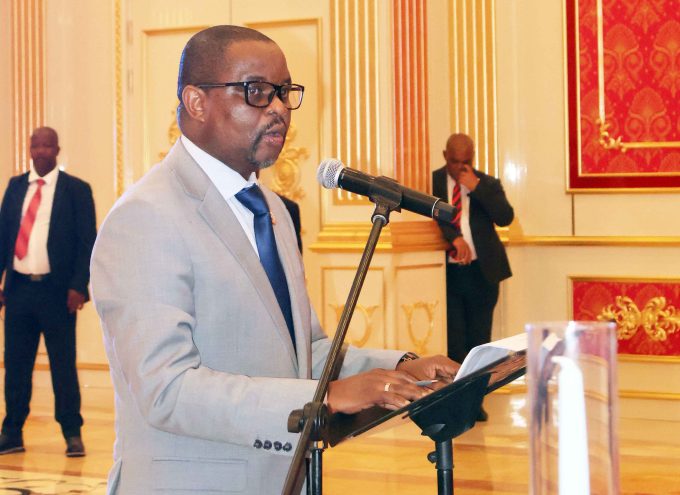
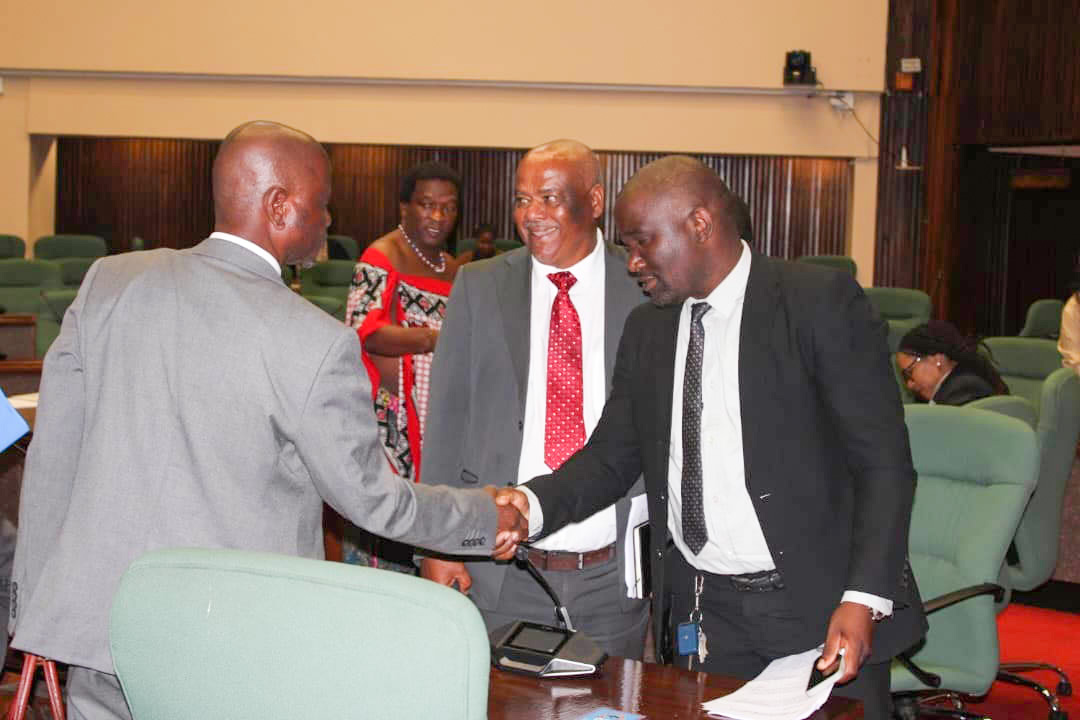
LOBAMBA – Minister for Agriculture Mandla Tshawuka has assured Members of Parliament (MPs) that government is actively preparing for the possibility of an El Niño-induced drought, saying authorities are closely monitoring weather forecasts while putting measures in place to support emaSwati should dry conditions materialise.
Responding to questions from MPs on government’s level of preparedness, Tshawuka said weather projections for the region had evolved over time, with the latest forecasts indicating that the anticipated El Niño event may be less severe than initially feared.
He explained that early projections had suggested the region could experience one of the worst El Niño episodes in many years. However, he noted that as more meteorological data became available, those forecasts had become less severe and were now comparable to the 2018 El Niño event.
“The truth is that the forecast, when it started, looked like it was going to be the worst in a very long time, but as time goes by that forecast is dampening. It is now said that it will be similar to that of 2018. That is how forecasts work; they do change, and we are monitoring the situation,” Tshawuka said.
The minister revealed that Eswatini has been participating in ongoing regional engagements aimed at strengthening preparedness for any potential impacts of El Niño.
He said African countries had been holding regular virtual meetings over the past month to assess the evolving forecasts and coordinate response strategies, with another meeting scheduled for Thursday afternoon.
According to Tshawuka, government is using these regional engagements to guide its own preparedness plans while also reviewing long-term strategies to improve agricultural resilience.
He said discussions were underway on promoting improved farming methods, including the adoption of drought-resistant crops and other climate-smart agricultural practices to reduce the impact of prolonged dry spells.
Tshawuka further disclosed that his ministry was already engaging the Ministry of Finance to ensure adequate resources would be available should drought conditions affect the country.
“We are already discussing with the Ministry of Finance to ensure that funding is available to assist emaSwati in case the El Niño strikes,” he said.
While emphasising the importance of preparedness, the minister expressed optimism that Eswatini may avoid the worst effects of the anticipated weather phenomenon.
He noted that the country had historically been spared from some major regional disasters and expressed hope that the same would happen should the El Niño develop.
“We are a lucky country. Most disasters bypass us, and we will continue praying that even this time it does not affect us too much,” he said.
During the same sitting, Minister Tshawuka also informed Parliament that delays in the implementation of the Smallholder Agricultural Productivity Enhancement and Marketing Project (SAPEMP) were largely caused by prolonged funding negotiations and administrative requirements involving the project’s financiers.
Tshawuka said SAPEMP is an eight-year programme running from 2025 to 2033 and is still in its early stages. He assured the House that there was sufficient time to accelerate implementation.
According to Tshawuka, about E25 million has so far been received by the ministry to kick-start the project, with approximately E13 million spent on procuring six vehicles to facilitate field operations and support work in farming communities.
Tshawuka also revealed that 40 chiefdoms had been selected to benefit during the first phase of the project, with all chiefdoms expected to be covered before the programme concludes in 2033.