

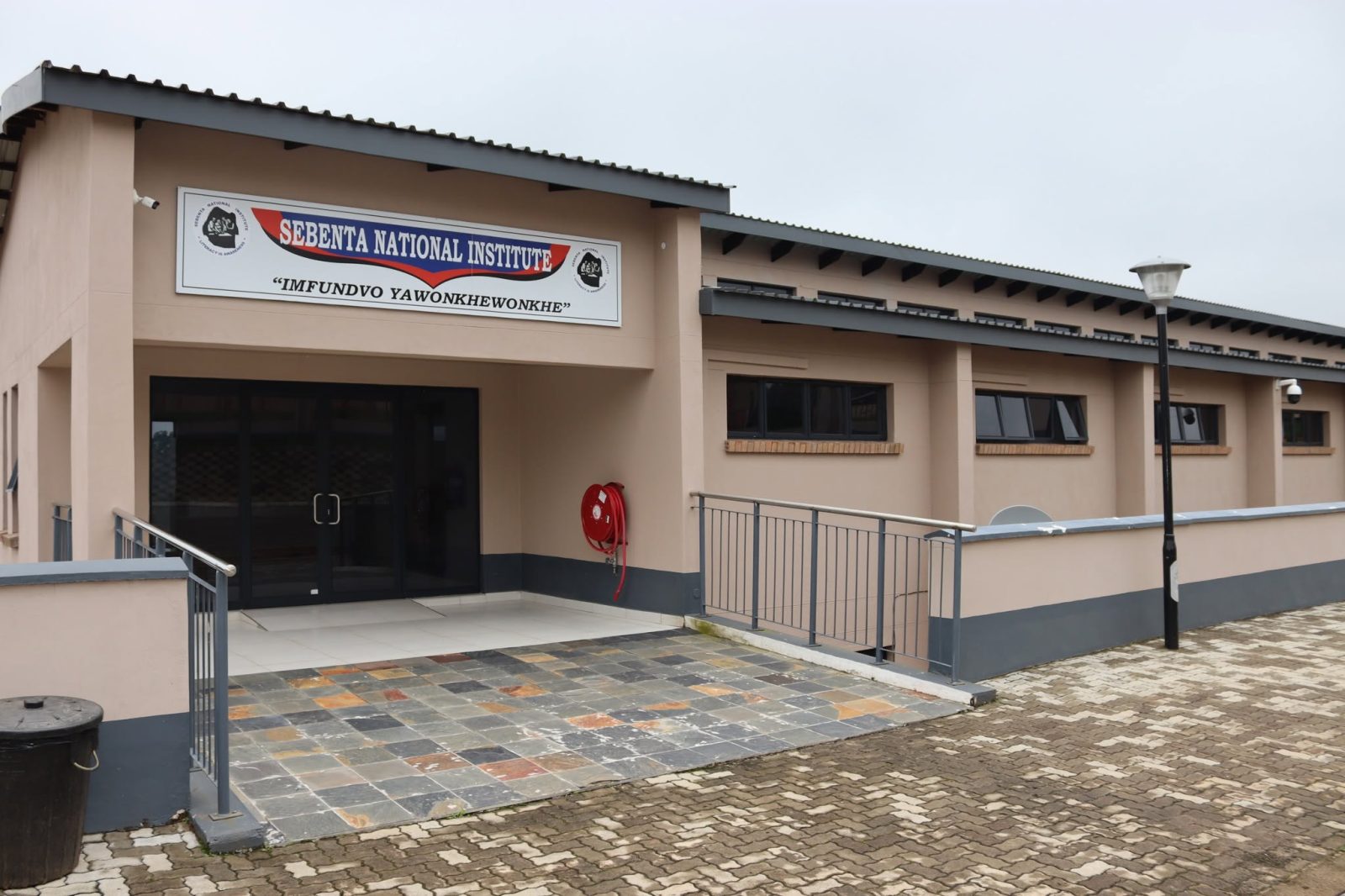
LOBAMBA – The Education and Training Portfolio Committee has called for Sebenta National Institute qualifications to be properly recognised and made portable within and beyond Eswatini.
The call was made during consideration of the Sebenta National Institute Bill, 2026, with MPs raising concerns about the credibility and recognition of qualifications obtained through the institution.
The committee said statutory recognition of Sebenta should translate into meaningful recognition of its learners and graduates in the national education system and labour market.
It also emphasised the importance of ensuring that qualifications could be portable beyond Eswatini.
Stakeholders told the committee that Sebenta would continue working with relevant examination and skills-testing institutions to ensure that learners’ competencies are appropriately assessed and recognised.
The Directorate of Industrial and Vocational Training highlighted the importance of trade testing and practical competency assessments in providing formal recognition to skills acquired through training.
The committee also raised concern about the stigma associated with Sebenta education.
According to the report, there is a perception that Sebenta programmes are principally intended for people who were unsuccessful in the conventional education system.
Members of the committee considered this perception inconsistent with Sebenta’s evolving mandate in lifelong learning, vocational education and skills development.
Sebenta Chief Executive Officer Thembinkosi Mamba told the committee that the Institute had taken deliberate measures to reposition itself.
These included changing its slogan from “Imfundvo Yebantfu Labadzala” to “Imfundvo Yawonkhe Wonkhe” and introducing graduation ceremonies to showcase learner achievements.
Members also raised the possibility of reviewing the institution’s branding and identity.
However, the CEO emphasised that the name Sebenta had significant historical value and should be approached with due regard to the institution’s heritage.
The committee further called for Sebenta’s programmes to be aligned with current and future skills requirements in the Kingdom.
Members expressed concern about inadequate coordination among Government, tertiary institutions and training providers in determining priority skills.
The report said this created a risk of institutions continuing to produce qualifications in areas where labour-market demand may have diminished.
The committee advocated for a coordinated national mechanism through which skills shortages, emerging occupations and qualifications produced by various institutions could be continuously assessed.
The CEO agreed on the importance of such coordination, noting that existing studies on anticipated skills requirements could provide a foundation, while technological and economic changes meant national skills needs would have to be continuously updated.
The committee also welcomed the expansion of Sebenta beyond literacy and basic education into practical and vocational skills.
It encouraged programmes that could support employment, entrepreneurship and local productive capacity.
Agriculture and other practical disciplines were identified as areas that could accommodate different interests, abilities and aspirations of learners.
The committee also considered recognition of prior learning as an important component of lifelong learning.
The CEO cited partnerships with industry through which experienced employees without formal qualifications could have their competencies recognised through appropriate training and certification.
The committee said this could help bridge the gap between practical experience and formal qualifications.
In its recommendations, the committee called on the Minister for Education and Training to ensure that Sebenta programmes and qualifications were appropriately accredited, recognised and continuously aligned with national skills and labour-market requirements.
It also called for stronger pathways from Sebenta programmes to further education, employment and entrepreneurship.
















Leave a comment