

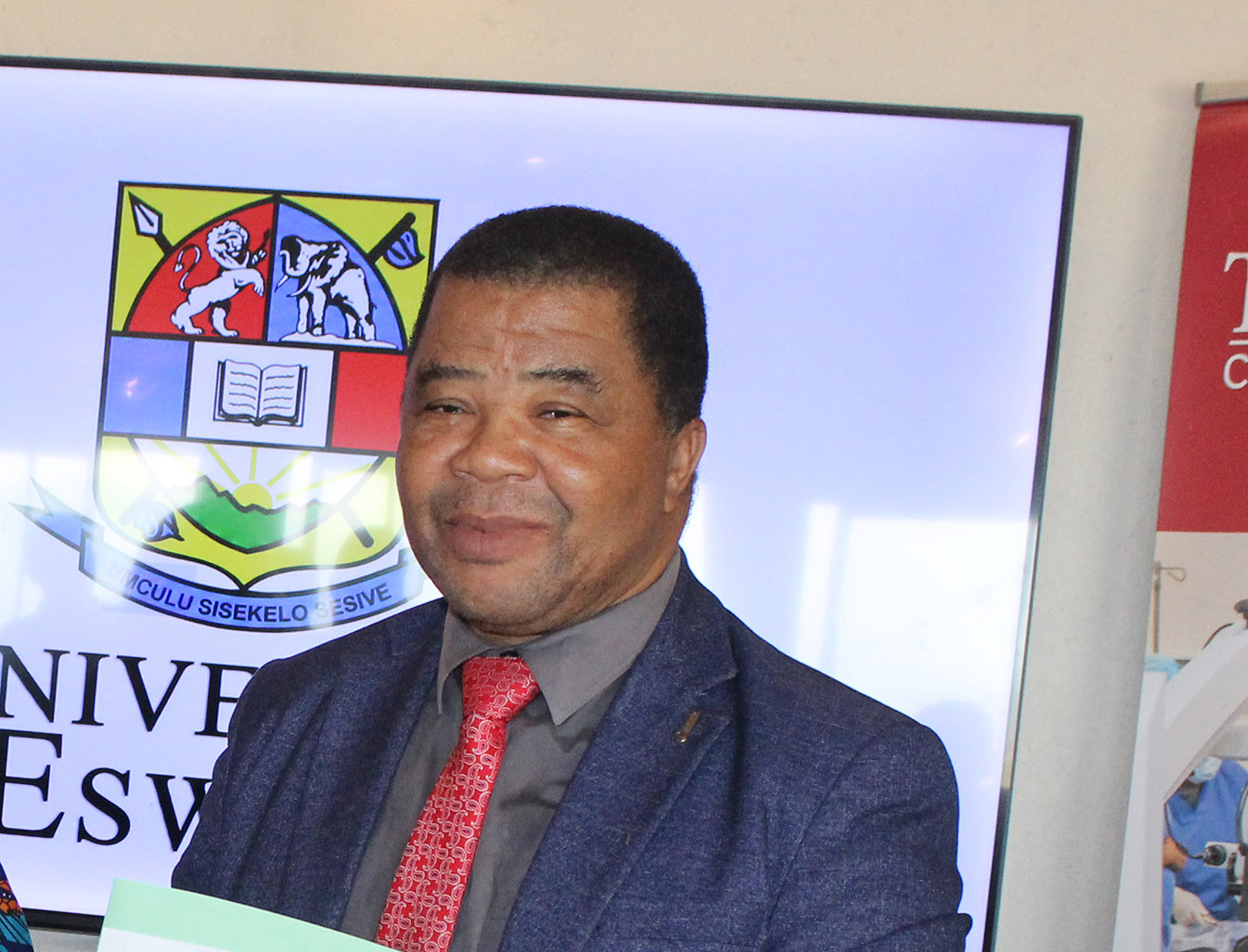
MANZINI – University of Eswatini Vice Chancellor Professor Justice Mandla Thwala has challenged employees to start planning for life after formal employment long before retirement.
Thwala warned that leaving the workplace without adequate preparation can undermine financial security, health, purpose and dignity in later life.
Thwala was speaking yesterday at the Post Work Life Planning Conference held at Happy Valley Hotel in Zulwini, where he emphasised that retirement should no longer be regarded simply as the point at which an employee stops receiving a salary, but as the beginning of a new chapter that requires deliberate preparation.
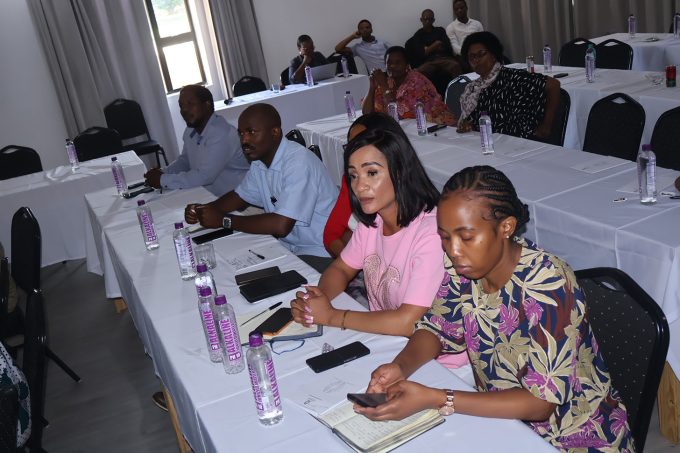
The two-day conference, held under the theme “Life After Work Starts Before Retirement,” was organised by Tive Leadership Centre in collaboration with UNESWA and brought together government officials, employers, employees, unions, financial practitioners, insurance companies, human resource professionals, wellness officers, entrepreneurs and retirees.
Thwala said the country had invested considerably in educating and developing its workforce, but comparatively less attention had been given to preparing people for what happens after they leave formal employment.
He said retirement planning needed to begin while people were still economically active, rather than when they were already approaching the end of their careers.
“Life after work starts before retirement,” was the central message of his address, with Thwala stressing that workers needed to prepare themselves for a transition that could affect almost every aspect of their lives.
He said retirement was not merely a financial event because it could influence an individual’s identity, relationships, health, sense of purpose and contribution to society.
“Retirement should not be viewed as the end of productivity,” Thwala said, describing it instead as a new chapter of opportunity, innovation, community service and lifelong contribution to society.
His remarks come against the backdrop of a substantial growth in retirement savings in Eswatini. Recent figures reported in February showed that retirement funds had accumulated E58 billion by the third quarter of 2025, equivalent to about 65 per cent of the country’s 2024 GDP.
Thwala, however, argued that the accumulation of retirement assets alone was not enough to guarantee that individuals would enjoy secure and meaningful lives after employment.
According to figures presented during his speech, formal retirement scheme coverage remained below 30 per cent of the overall workforce, largely because of the country’s sizeable informal sector.
He said the challenge therefore extended beyond pension savings to ensuring that people understood how to manage their finances, health, relationships, careers and personal aspirations once they left formal employment.
Thwala said many experienced professionals retired every year from both the public and private sectors carrying decades of knowledge, leadership and institutional memory.
However, he said having pension benefits did not automatically mean that an individual was adequately prepared for retirement.
He highlighted financial management, entrepreneurship, health and wellness, estate planning and emotional wellbeing as some of the areas that required attention before an employee exited the workplace.
The Vice Chancellor said the country had an opportunity to change the way retirement was perceived by encouraging workers to prepare early.
He said properly prepared retirees could remain financially secure, healthier, entrepreneurial and actively involved in national development.
“Retirement should not be viewed as the end of productivity,” he reiterated, saying the country should instead see retired professionals as a reservoir of experience and skills that could continue benefiting communities and the economy.
Thwala also used his own experience to demonstrate the importance of changing one’s perspective about ageing and retirement.
He revealed that when he reached 60, he began asking himself whether he was approaching the end of his life.
He said he initially reflected on Psalm 90:10, which speaks of a lifespan of 70 or 80 years, and became concerned about how little time he believed he had left.
However, after further reading, he came across Genesis 6:3, which refers to 120 years, and said this gave him a different perspective about life beyond 60.
Thwala said his experience should encourage people approaching retirement to remain positive and recognise that there could still be many years ahead in which they could live purposefully and contribute to society.
“Let us be glad as we near retirement. We still have more to live and to live for,” he said.
He said this was precisely why the Post Work Life Planning Platform was important, as it sought to create a sustained space for awareness, education, dialogue and action around life after formal employment.
The platform brings together employees, employers, financial institutions, retirement and investment experts, government stakeholders, professional bodies and other institutions to discuss how individuals can prepare for the future.
Thwala said the initiative was also important for employers because retirement planning should not only focus on individuals.
He said organisations needed to strategically plan for employees leaving the workforce to ensure continuity, sustainability and the transfer of institutional knowledge.
He said the University of Eswatini was particularly committed to the wellbeing of its workforce and was currently undergoing a transformation process backed by a Ministry of Education and Training Cabinet-mandated task team, with technical and financial support from the World Bank.
According to Thwala, the transformation process was intended not only to modernise UNESWA’s financial and academic models, but also to reform and stabilise its pension scheme.
He said the objective was to ensure the financial security, livelihoods and dignity of university employees beyond their formal years of service.
Thwala said this responsibility was also in line with the direction of the university’s Chancellor, stressing that management had to ensure that the commitment was delivered.
Meanwhile, the Vice Chancellor launched the Post Work Life Planning Workbook, describing it as an important resource for individuals preparing for the transition from employment to post-work life.
He said the workbook had been developed to provide practical guidance beyond financial planning, covering areas such as health, relationships, purpose, personal development and legacy.
The publication is structured around the Eight Pillars of Post Work Life Planning and contains interactive exercises, self-assessments, worksheets and planning tools designed to help employees develop practical plans for their future.
Thwala said the workbook was intended to be more than an information resource, describing it as a companion for personal transformation and lifelong planning.
He said it would also assist employers with human resource planning by helping them anticipate workforce exits and strengthen continuity within their organisations.
The workbook is being sold to support the sustainability of the joint platform and its future activities.
Thwala commended Tive Leadership Centre and all partners involved in developing the platform and publication, saying their efforts could contribute to financial resilience, healthy ageing and sustainable socio-economic development.
He urged conference participants to use the platform to begin making practical decisions about their futures rather than waiting until retirement was imminent.
He said every investment made today in preparing for life after work strengthened not only the individual, but also families, organisations, communities and the nation.
Thwala subsequently declared the Post Work Life Planning Conference officially opened and launched the Post Work Life Planning Workbook.
















Leave a comment