

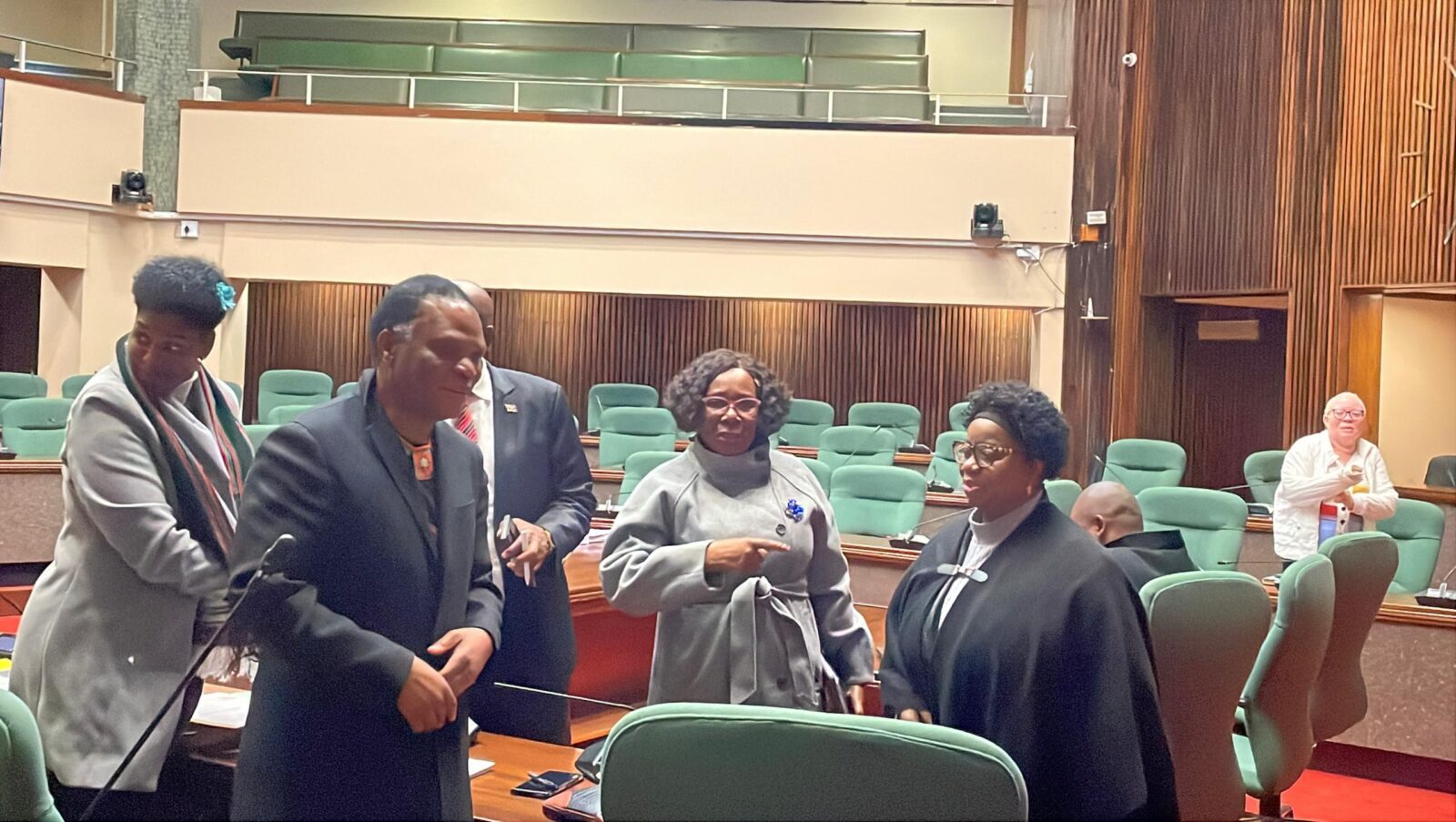
MBABANE- The Eswatini Electricity Company (EEC) is within its rights to consider another tariff application, according to Minister for Natural Resources and Energy, Prince Lonkhokhela.
The minister said the power utility could review its electricity tariffs every two years, depending on its operating costs and the nature of its application.
He was responding to concerns raised by senators during the debate on the Ministry of Natural Resources and Energy’s first quarter performance report.
EEC recently indicated that it intends to submit a new tariff application before the end of the year, although the proposed increase has not yet been determined.
Prince Lonkhokhela said the tariff review process was not limited to requests for increases, explaining that EEC could also approach the regulator if it wanted tariffs to remain unchanged or be reduced. He said the utility’s applications were assessed according to the agreement it had with the Eswatini Energy Regulatory Authority (ESERA).
The minister said the two-year tariff review cycle was part of an agreement reached around 2012, allowing EEC to have its costs reviewed at prescribed intervals. He said the country’s heavy reliance on imported electricity remained a major factor affecting the cost of power.
According to the minister, about 70 per cent of the electricity consumed in Eswatini is currently imported, while local generation accounts for the remaining 30 per cent.
Prince Lonkhokhela further responded, saying the target was to significantly reduce electricity imports by 2028, adding that government was confident that local generation would help improve the situation.
He said locally generated electricity could also help shield consumers from sharp increases because local producers could be negotiated with, unlike imported electricity.
The minister said government had turned to independent power producers (IPPs) as part of efforts to expand local generation, as smaller power projects could be established without the huge costs associated with large power stations.
He also acknowledged concerns over delays in the rollout of electricity schemes.
The minister said EEC had a schedule detailing its planned visits to communities and advised residents experiencing difficulties to approach the utility for information.
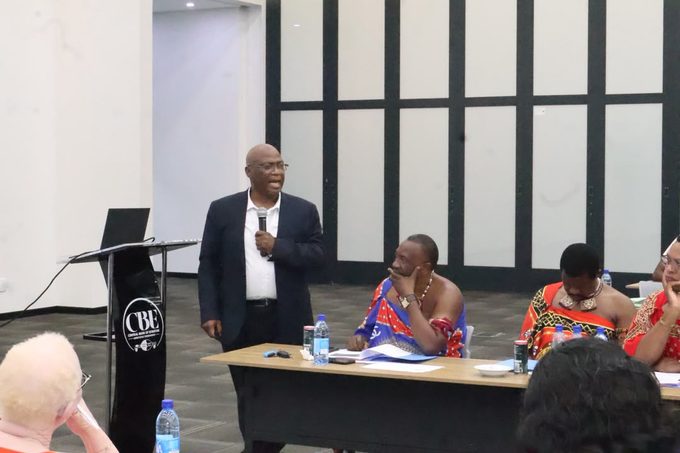
Senate Deputy President Ndumiso Mdluli questioned whether increased local generation would eventually reduce the country’s dependence on imported electricity and lead to lower tariffs.
Mdluli said the high cost of electricity was putting pressure on consumers, citing the number of units obtained for E500 as an indication of the burden faced by households.
Senator Stukie Motsa also expressed concern over the reports about EEC preparing another tariff application. She questioned whether the ministry was taking measures to cushion consumers from further increases.
Meanwhile, Senator Chief Ngome Ndlangamandla questioned the extent of EEC’s own electricity generation capacity. He also raised concerns about applications for electricity schemes that he said were not being approved by EEC, despite government efforts to extend access to electricity.
Need to protect Zama Zamas from hurting themselves
MBABANE- Government has been urged to deal with illegal mining while protecting people involved from dangerous conditions that could cost them their lives.
Senate Deputy President Ndumiso Mdluli said the authorities needed a comprehensive strategy to address the activities of illegal miners, also called ‘Zama Zamas’.
Mdluli raised the concern during the debate on the Ministry of Natural Resources and Energy’s first quarter performance report.
He questioned how government intended to control informal miners operating outside the country’s regulated mining framework, particularly given the safety risks associated with their activities.
The senator said the issue required urgent attention because unsafe mining could result in fatalities, while also depriving the country of potential economic benefits from its mineral resources. He asked whether the country’s active mining operations had started processing raw materials locally, arguing that local beneficiation could generate greater value for Eswatini.
Mdluli said government should establish measures that would prevent illegal miners from exposing themselves to hazardous conditions.
He referred to reports of a large number of people dying after the collapse of a mine in another country as an indication of the potential consequences of unsafe mining.
Responding, Minister for Natural Resources and Energy Prince Lonkhokhela said three mines were currently operational.
He said five mining licences had been issued and government was moving towards ensuring that raw materials were no longer simply transported out of the country. The minister acknowledged the challenge posed by illegal miners and said security agencies were assisting in efforts to contain the problem.
He said police and army were involved in combating the illegal activities, while equipment suspected to have been used in illegal mining had also been seized. He commended both entities for their dedication in putting an end to illegal mining, particularly the Royal Eswatini Police Service for the recent bust of illegal mining activities in the Hhohho Region.
Prince Lonkhokhela said government remained hopeful that the measures being implemented would help bring an end to the activities associated with Zama Zamas.









Leave a comment