


MBABANE – The proposed 24 per cent levy on imported edible oils has been deferred by four months.
The implementation of the levy has been moved from September 1, 2026 to January 1, 2027 following an intervention by Business Eswatini (BE).
The postponement provides businesses affected by the proposed levy with additional time to prepare while allowing BE and the National Agricultural Marketing Board (NAMBoard) to undertake further consultations on concerns raised by industry players.
The development is expected to provide temporary relief to businesses operating within the edible oils value chain, which had been preparing for the new levy from next month.
It also opens the door for further discussions on the potential impact of the measure on business input costs, consumer prices and the competitiveness of the local market.
The decision to defer implementation emerged from a constructive engagement between BE and NAMBoard following the board’s announcement of the proposed 24 per cent levy.
The levy had initially been scheduled to take effect on September 1, 2026.
However, BE raised concerns on behalf of affected industry players, prompting further engagement with NAMBoard.
As an interim measure, the implementation date has now been moved to January 1, 2027.
The postponement is expected to give businesses more time to assess the potential implications of the levy on their operations, pricing structures and supply chains.
More importantly, it creates an opportunity for the substantive issues surrounding the levy to be considered through broader consultations before implementation.
BE, as the apex body representing the private sector, presented a consolidated position from affected industry players during its engagement with NAMBoard.
The organisation raised concerns about the adequacy of consultation undertaken before the levy was announced.
BE stressed that any measure capable of increasing business costs should be subjected to meaningful engagement with affected stakeholders, particularly where such costs could eventually be passed on to consumers.
The organisation also highlighted concerns regarding the potential impact of the levy on household budgets.
With businesses already operating under economic pressures, BE argued that the implications of an additional cost on imported edible oils needed to be carefully assessed.
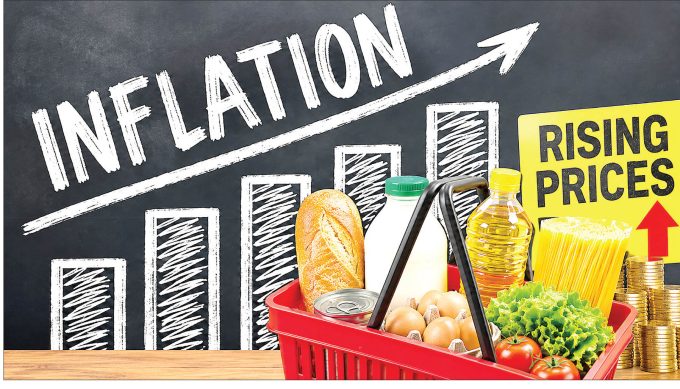
The proposed levy could have consequences beyond importers, with increased costs potentially filtering through the supply chain and ultimately affecting prices paid by consumers.


















Leave a comment