

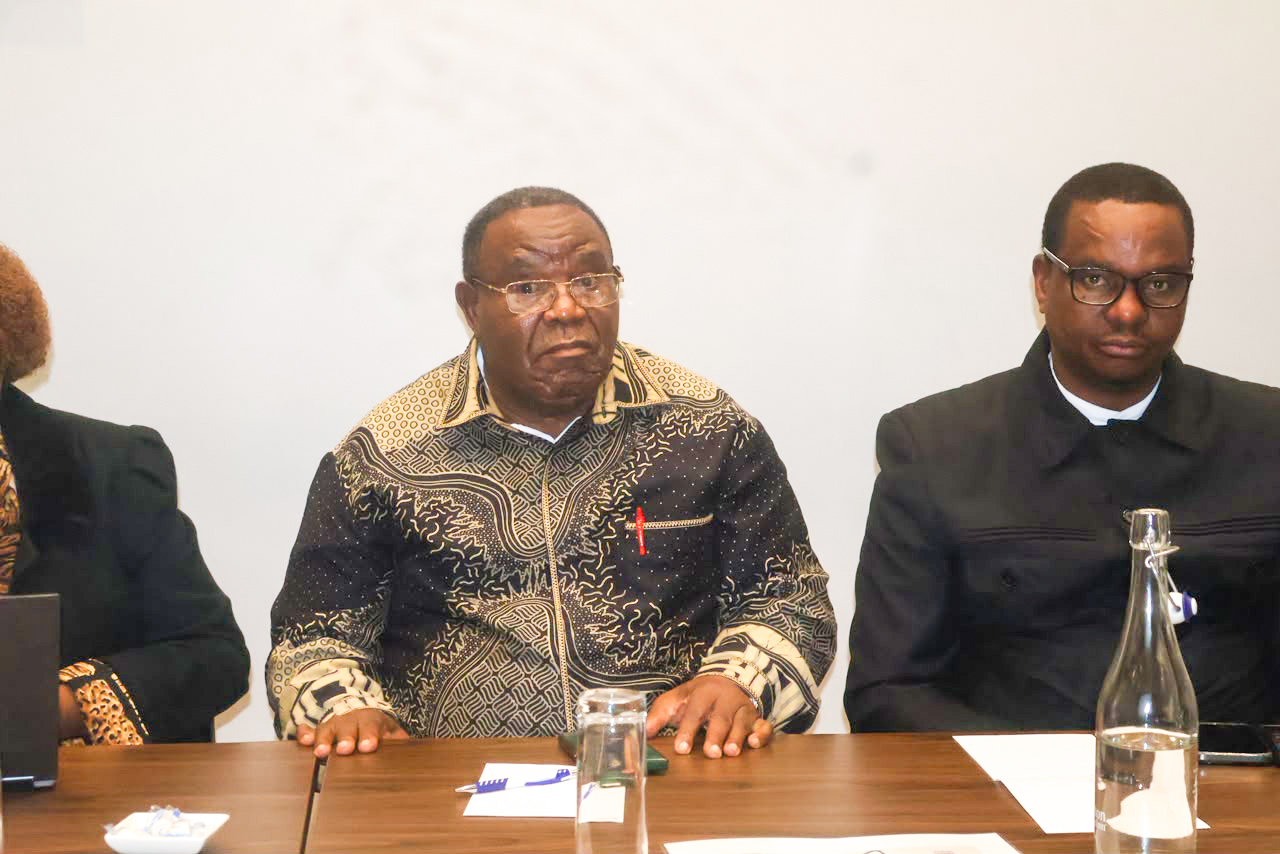
MBABANE – Government is losing substantial amounts of money through procurement violations, Senator Isaac Magagula has warned.
Senator Magagula says procurement offences should be specifically included among wrongdoing covered by Eswatini’s proposed whistleblower protection framework.
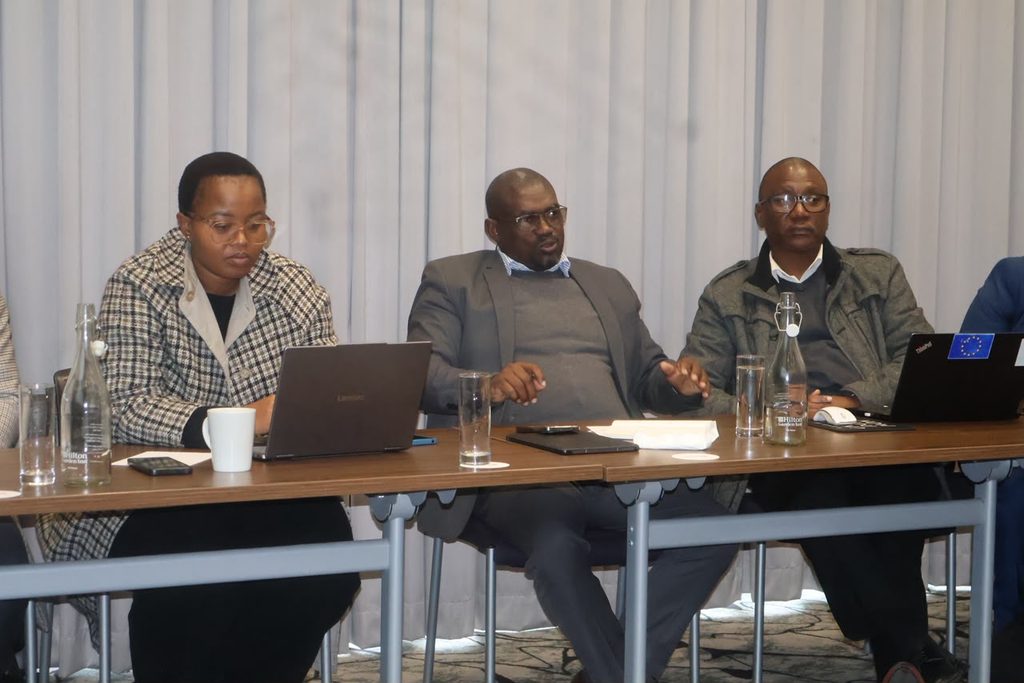
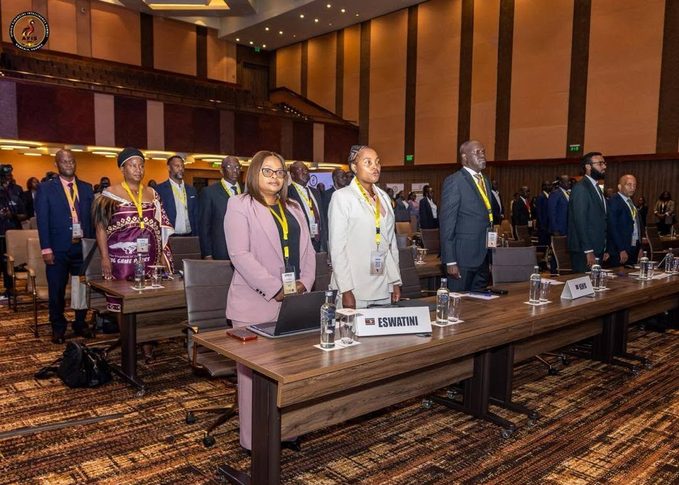
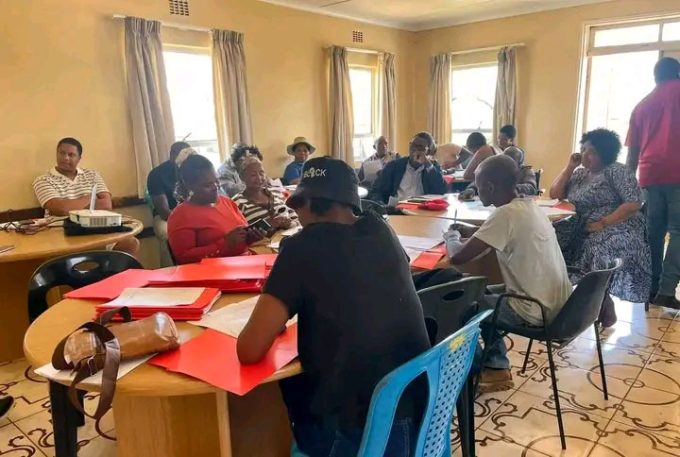
He raised the concern during the second day of the Anti-Corruption Commission (ACC) workshop on Whistleblower Protection in Eswatini, which is being held at the Hilton Garden Inn in Mbabane.
The workshop is supporting government in developing a comprehensive framework to protect people who report wrongdoing in the workplace.
During discussions on what should constitute reportable wrongdoing, Magagula questioned whether violations involving public procurement would fall within the proposed framework.
He argued that procurement-related wrongdoing could have serious financial consequences for government and should therefore not be overlooked.
“A lot of what government loses in terms of revenue goes through the process,” he said.
Magagula also questioned whether the proposed framework would provide sufficient protection to people who report wrongdoing, particularly against retaliation.
He said potential whistleblowers needed to have confidence that they would be protected if they came forward with information.
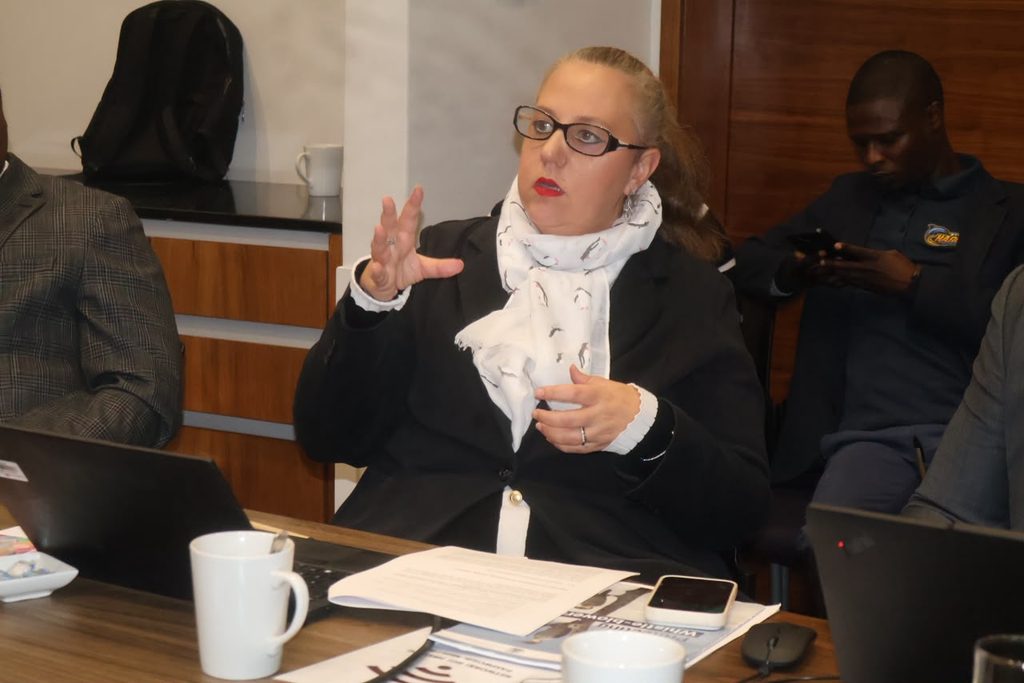
Louise Portas, Crime Prevention and Criminal Justice Officer at the United Nations Office on Drugs and Crime (UNODC), said the framework would examine what wrongdoing could be reported, how disclosures could be made and what protection would be available.
Portas said the objective was to establish a system that would give people sufficient confidence to report wrongdoing without fear of reprisals.
She encouraged participants to identify issues specific to Eswatini so that the proposed framework could respond to the country’s circumstances rather than simply replicate provisions contained in existing legislation.
Magagula also cautioned against defining reportable criminal conduct too broadly.
He questioned whether treating every criminal offence as reportable could overwhelm institutions responsible for receiving and investigating disclosures.
The senator suggested that thresholds or other criteria could be considered to ensure that whistleblowing mechanisms remain practical and focused on matters warranting intervention.
The ongoing workshop is also considering whether whistleblower protection should extend beyond financial corruption to other forms of serious wrongdoing, including abuse of position and harmful schemes.
Facilitators say the framework will have to balance the need to encourage reporting of serious wrongdoing against the risk of overwhelming reporting mechanisms with matters that can be addressed through other channels.
The first day of the workshop focused on international standards for whistleblower protection, Eswatini’s existing framework for reporting persons and the development of legal frameworks, including the personal scope of protection.
The second day is focusing on the scope of reportable wrongdoing, reporting channels and protective measures needed to encourage disclosures.
According to the ACC, once the framework is complete, it will undergo public consultations before being adopted into law.
The proposed framework is intended to strengthen reporting mechanisms, transparency and accountability while providing greater protection to people who expose wrongdoing.












Leave a comment