Home Business E8m retail threshold puts shops in emaSwati’s hands
Business

E8m retail threshold puts shops in emaSwati’s hands

Share
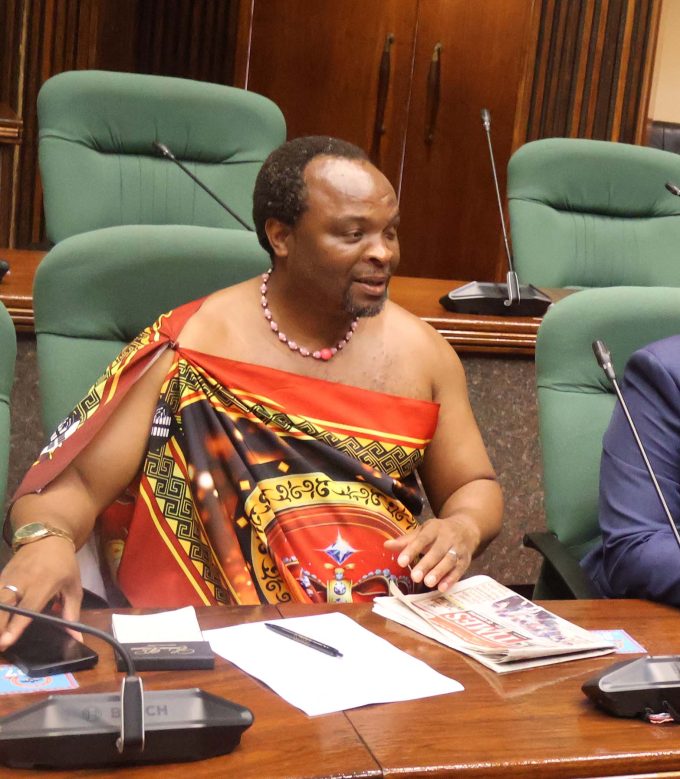
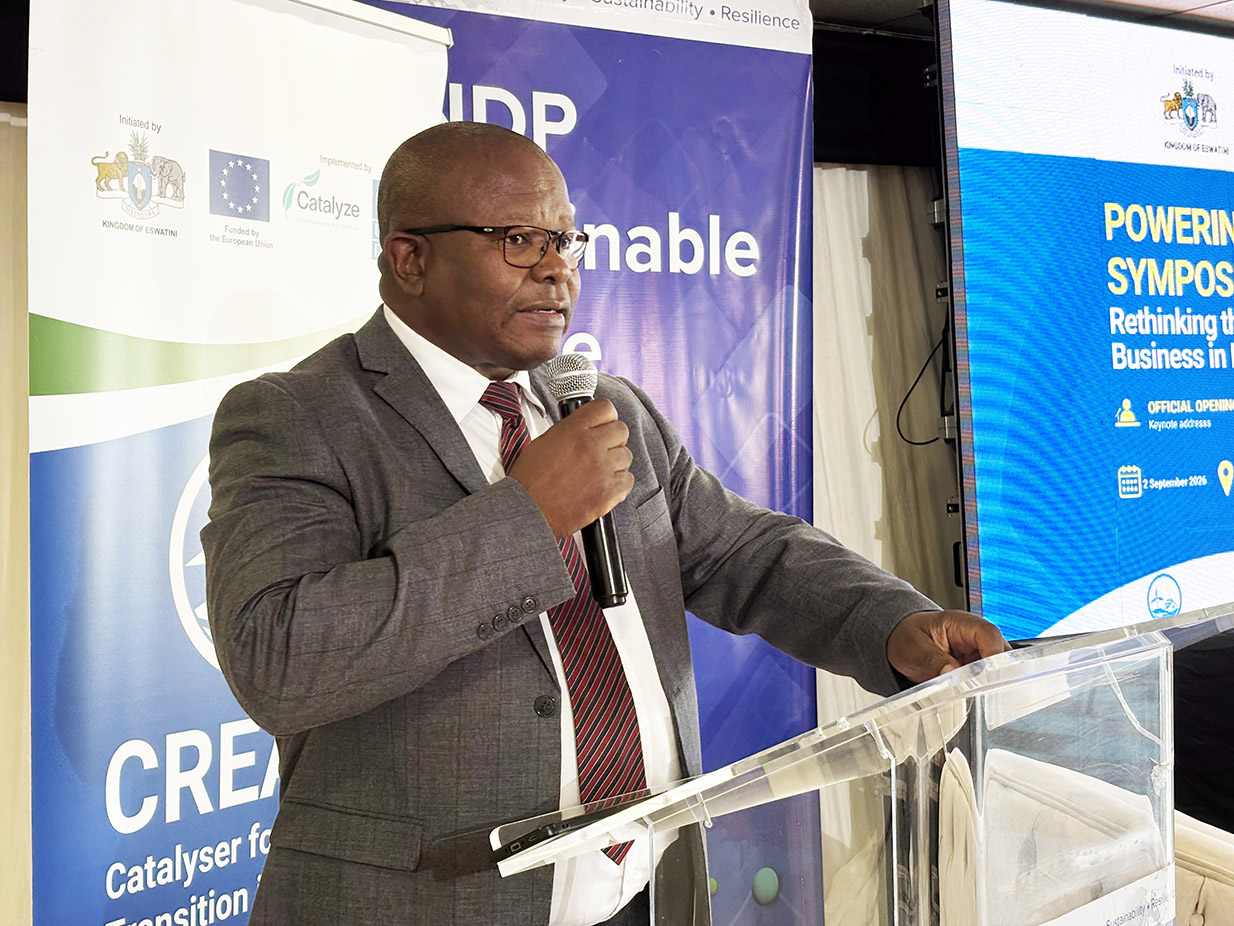
Minister for Commerce, Industry and Trade Manqoba Khumalo.
Share

MBABANE – All retail operations with an annual turnover below E8 million are to be reserved for emaSwati.

This will be brought by the sweeping new Economic Empowerment Regulations tabled in Parliament last week by Minister for Commerce, Industry and Trade Manqoba Khumalo.

The provision is among the most significant measures contained in the Citizens Economic Empowerment Act – Regulations, 2026, which seek to place ownership and control of a wide range of economic activities in the hands of targeted citizen-owned companies. Under the regulations, the reservation applies to all retail operations below the E8 million annual turnover threshold, including general dealer shops, supermarkets, grocery shops, pharmacies, automotive spares, hardware shops, liquor outlets, laundries and dry-cleaning businesses, agricultural inputs and feed shops, minimarkets and convenience stores.

The regulations developed in leadership of the Citizen Economic Empowerment Council further provide that the reservation applies to all retail operations falling below the prescribed threshold.

The council is led by businessman Lincoln Motsa.  This means that a large segment of everyday retail activity is being specifically positioned for targeted citizen-owned companies as government moves to implement what Khumalo has described as a game-changing approach to economic empowerment. The regulations define a targeted citizen-owned company as a company wholly owned and controlled by one or more targeted citizens.  The retail provision is, however, only the entry point into a much broader reservation framework covering businesses ranging from butcheries and mobile-phone shops to transport, restaurants, construction, security, tourism, creative services and domestic logistics.


Share
Written by
Nhlanganiso Mkhonta

Nhlanganiso Mkhonta serves as Business Editor at the Times of Eswatini. He reports on business, economics, finance, investment, entrepreneurship and public policy, producing insightful coverage and analysis of the issues driving Eswatini’s economy and the wider African business environment.

Leave a comment

Leave a Reply

Your email address will not be published. Required fields are marked *

Don't Miss

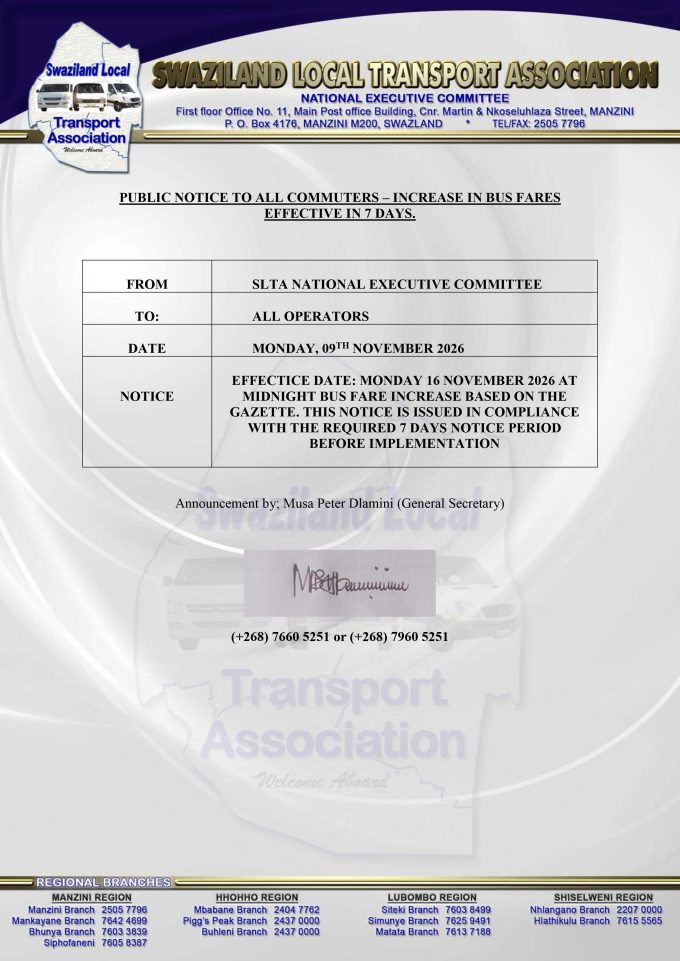
New bus fares to take effect next week

MANZINI – Commuters will start paying higher bus fares next week after transport operators begin displaying notices announcing the revised tariffs. The new...

Illegal foreign-owned businesses given 1 year to close

LOBAMBA – Foreign-owned businesses found operating in violation of the country’s laws and regulations have been given 12 months to regularise their operations...

FNB offers more incentives to attract new customers

MBABANE - FNB Eswatini has introduced a campaign offering qualifying customers repayment holidays, cash-back incentives and additional family protection benefits. This comes as...

Magistrate Ngwenya new Commissioner of Co-ops

MBABANE – Magistrate Cebisile Ngwenya, a corporate law specialist and former Assistant Master of the High Court, has been appointed Commissioner of Co-operatives....

King extends army Commander Fakudze’s service

MBABANE – His Majesty King Mswati III has extended the service of Umbutfo Eswatini Defence Force (UEDF) Commander General Moses Mashikilisane Fakudze, allowing...

Related Articles

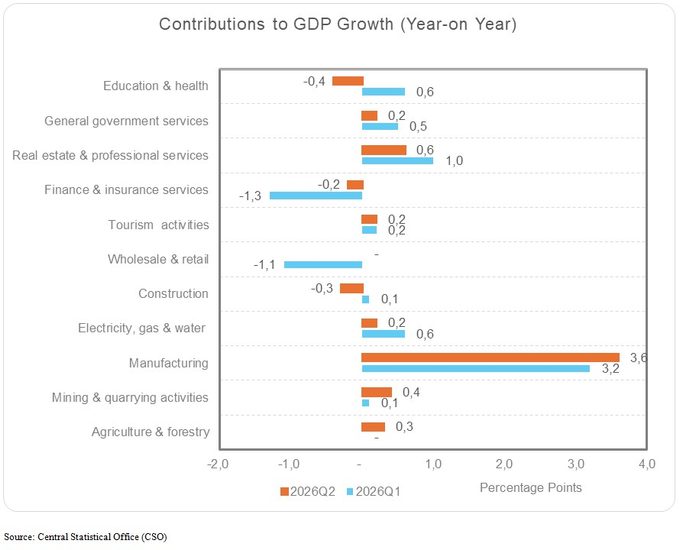
Sugar surge lifts food processing, manufacturing growth

MBABANE – Food processing rose 27 per cent in the second quarter...

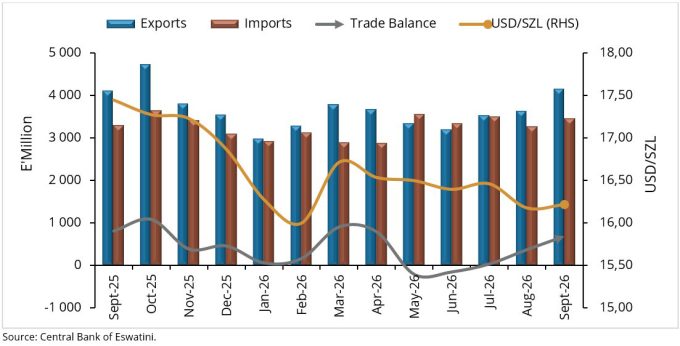
Sugar, soft drink concentrate exports lift trade surplus to E687.9m

MBABANE - Eswatini’s trade surplus widened to E687.9 million in September as...

Eswatini ranks 32nd in Africa governance index

MBABANE - Eswatini’s governance performance has barely shifted over a decade, with...

ESCC uncovers weaknesses across Eswatini beef value chain

MBABANE – Eswatini’s beef industry is characterised by low productivity, limited investment,...