


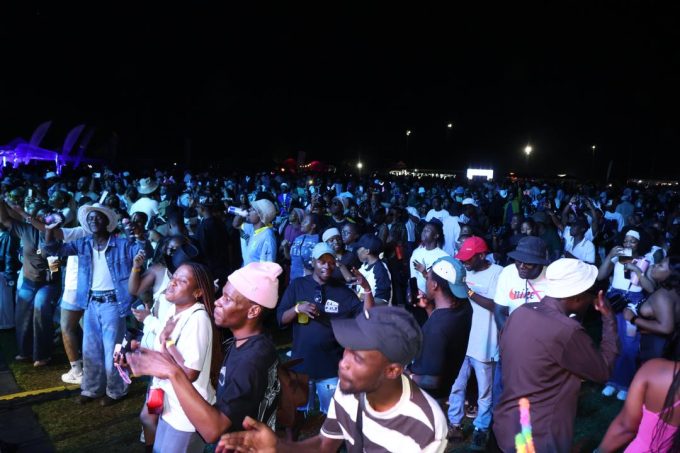
MBABANE-Seventy-five EmaSwati from the country’s youth, arts, culture and creative sectors have been equipped with practical skills to develop and ,submit competitive funding proposals following a grant-writing workshop held at King Sobhuza II Park.
The one-day Proposal Writing and Application Workshop, held on September 16 brought together representatives of youth organisations, individual artists, creative practitioners and entrepreneurs working in the creative economy.
The workshop was organised as part of efforts to strengthen the ability of EmaSwati creatives to access local and international funding opportunities. Participants were taken through funding landscapes, grant-writing fundamentals and practical proposal development, before working directly on an active funding opportunity.
The afternoon session focused on the Africa-Europe Partnerships for Culture: Southern Africa (AEPC Southern Africa) Grants for Creative and Artistic Practitioners call, giving participants an opportunity to develop applications for a funding programme that could directly benefit EmaSwati artists.
The AEPC Southern Africa initiative is funded by the European Union and implemented by the Goethe-Institut across Botswana, Eswatini, Lesotho, Namibia, South Africa and Zimbabwe.
Under the second round of the programme, at least 99 creative and artistic practitioners will be selected through 11 Heritage Narrative Clusters. Each successful practitioner will receive a €6,000 grant (approximately E112,700) at current exchange rates.
The programme brings together artists from different countries and disciplines to collaboratively explore and create new narratives around cultural heritage over a six-month period.
Two Eswatini projects
Eswatini is among the six participating countries and will host two of the Heritage Narrative Clusters.
One of the projects is being led by Babukisi Foundation, bringing together nine interdisciplinary artists to reinterpret siSwati cultural heritage through animation, documentary film and visual arts.
“The project will work with cultural custodians, elders, researchers and creatives to produce animated stories around Swazi ceremonies, traditions and values. We will also produce a documentary exploring everyday experiences, knowledge systems and cultural practices that shape Swati identity, as well as a fine-art exhibition featuring 12 paintings and installation pieces inspired by the 12 siSwati month names and their links to environmental knowledge, seasonal cycles and community life,” said Babukisi Foundation Executive Director, Thobejane Magagula.
The second Eswatini-based project, Folklore Futures, will bring together nine artists working across photography, performance, music and related disciplines to explore contemporary expressions of Swazi life, culture and identity.
The two projects form part of the wider AEPC Southern Africa programme, which seeks to strengthen cultural cooperation in the region and between Southern Africa and Europe while building the capacity of artists and creative practitioners.














Leave a comment