MBABANE – Cigarette smugglers allege that some soldiers accept bribes to allow illegal tobacco consignments into Eswatini from Mozambique.
A Times of Eswatini investigation in Mbabane and Manzini found street vendors who claimed that certain members of the Umbutfo Eswatini Defence Force (UEDF) facilitate the movement of smuggled GT cigarettes across the country’s borders.
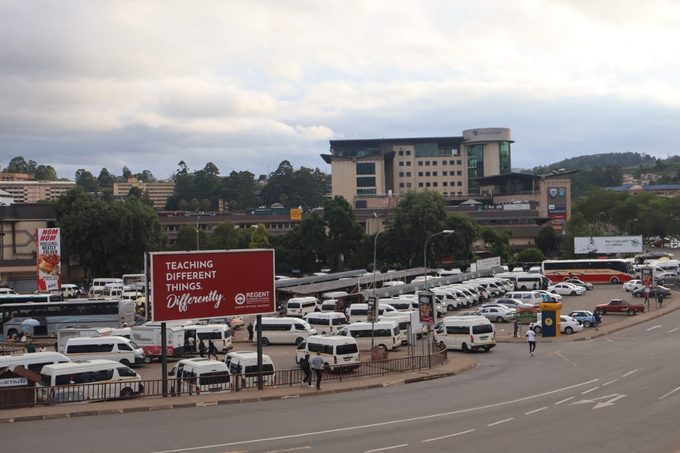
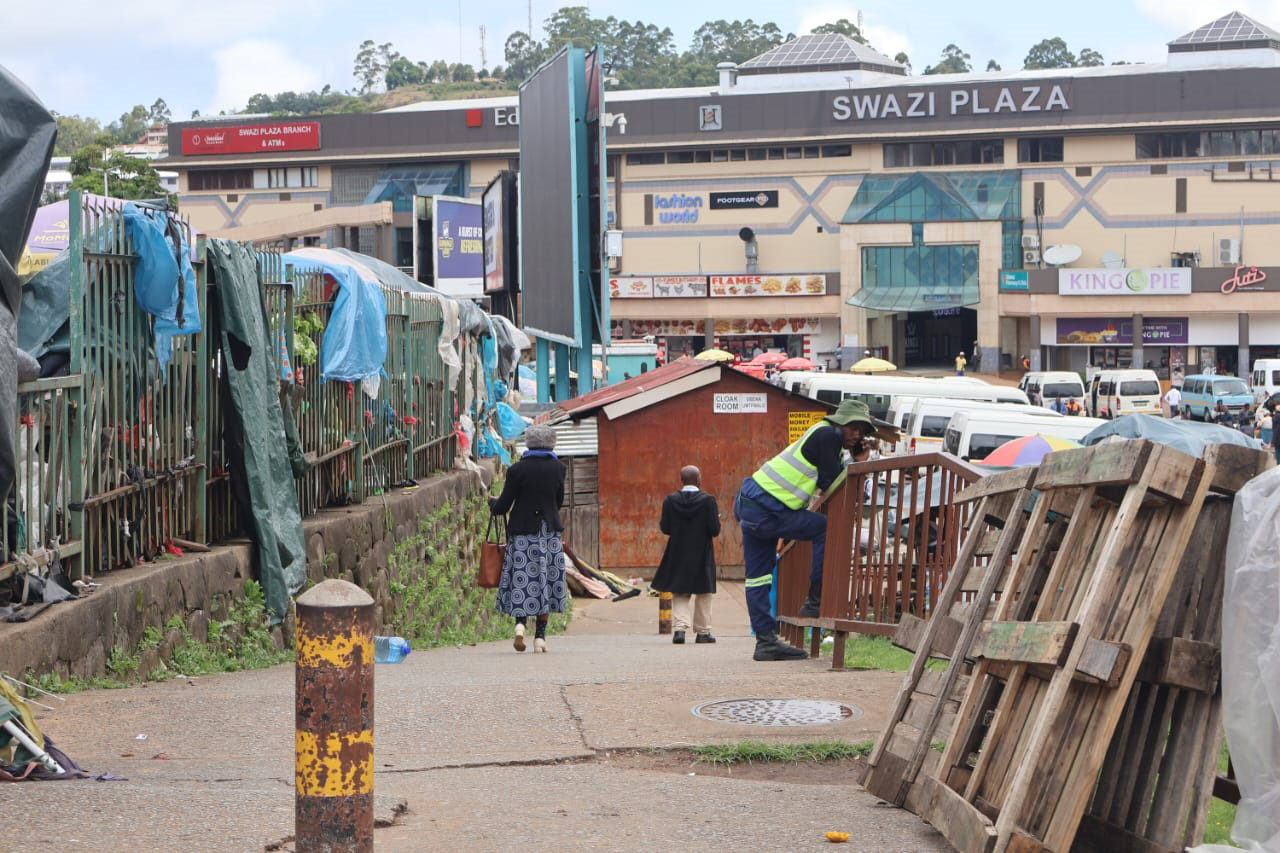
The allegations emerged during interviews with vendors selling the cigarettes at bus ranks and street corners, where packets cost E25 and loose cigarettes sell for as little as E1.50.
Some vendors alleged that soldiers deployed along the border accept money from smugglers in exchange for allowing them to enter the country with their consignments.
They identified the Lomahasha and Ngwenya border areas as among the routes allegedly used by smugglers.
However, the vendors said not all soldiers accepted bribes. Some confiscated the cigarettes and allowed the smugglers to leave without their consignments.
UEDF Public Relations Officer Major Sandile Gwebu denied the allegations, saying soldiers operated under strict supervision and reported to their superiors hourly.
“When they have been lucky they can go through,” Gwebu said, referring to smugglers who managed to cross the border undetected.
He maintained that soldiers arrested smugglers when they intercepted them.
“We do not take any bribes as we are motivated enough in terms of what we are being paid and we would not, therefore, want someone’s bribe,” he said.
Gwebu said the army maintained a zero-tolerance policy towards bribery and warned that members found guilty would face serious consequences.

He also warned that attempting to bribe soldiers constituted an offence and could result in arrest.
The allegations come as Ministry of Health officials raise concerns about the illegal cigarette trade and the alleged resale of confiscated tobacco products.
Ministry of Health Non-Communicable Diseases, Injuries and Mental Health Coordinator Vusi Shabangu alleged that some law enforcement officers sold confiscated cigarettes through social media instead of ensuring their destruction.
“I am a witness to that. Along Oshoek there was once an army officer who wrongly sent a message that he was having cartons of these GT cigarettes and he was looking for a buyer,” Shabangu said.
He said such conduct undermined efforts to control tobacco consumption and called for stricter enforcement.
Shabangu stressed that confiscating cigarettes was insufficient unless authorities ensured their proper destruction.
“The smuggling of the cigarettes is letting down the efforts of protecting the public health in Eswatini,” he said.
He warned that the proposed Tobacco Control Bill of 2026 would achieve little if illegal practices persisted among those responsible for enforcing the law.
The investigation also uncovered accounts of organised cigarette distribution involving vendors who said they received stock from suppliers operating across the border.
Several vendors, predominantly Mozambican nationals, said they did not own the cigarettes they sold.
Instead, they described arrangements under which suppliers delivered stock and set sales targets.
“I do not buy these boxes myself. A boss from back home brings the cartons across the border and gives us daily to weekly targets. If we do not sell enough sticks, we do not get paid enough,” one vendor, who requested anonymity, said.
The vendor claimed daily earnings of between E1 000 and E1 500, although it was unclear whether the amount represented personal income or total sales.
Other vendors said they operated independently, purchasing cigarettes in Mozambique before bringing them into Eswatini for resale.
“Nobody employs me here; I buy the cartons myself in Mozambique and find a way across,” said a vendor operating near the public toilets at the Mbabane Bus Rank.
He said he used the proceeds to support his family in Mozambique.
“Once I sell everything, I send or take the money straight back home to feed my children and build a life there because there are no jobs where I come from,” he said.
Another independent vendor said the difference in purchasing power between the two countries made the trade financially attractive.
“When you buy stock at home and sell it here in Emalangeni, the money goes a very long way back in Mozambique. Every few weeks, I travel back home with the cash I have saved,” he said.
The vendors also described wholesale arrangements through which cigarettes reached neighbourhood grocery shops.
They claimed that bulk consignments sold for about E250, depending on negotiations with buyers.
According to their accounts, some local and foreign shop operators purchased the cigarettes for resale. Vendors said smuggling activities had declined during the COVID-19 pandemic when authorities tightened border controls and restricted movement through informal crossings.
They claimed the trade had since recovered as movement restrictions eased.
Beyond the alleged corruption and distribution networks, the investigation found that cheap cigarettes were reaching schoolchildren.
One vendor admitted selling loose cigarettes to pupils wearing school uniforms during morning commutes and after school.
He said pupils frequently purchased individual cigarettes costing E1.50.
The practice has raised concerns among health officials, who warn that illegal tobacco sales undermine efforts to protect children from smoking.
Shabangu said the availability of smuggled cigarettes made tobacco products accessible to people younger than 18.
“This leads to the spread of non-communicable diseases, especially among the youth as they have easy access to the tobacco products,” he said.
He called for tighter security at border posts and along informal crossing routes, as well as the arrest of offenders and proper destruction of confiscated cigarettes.
The concerns arise as government works on the proposed Tobacco Control Bill of 2026, which seeks to strengthen regulation of tobacco sales.
The proposed legislation includes stricter licensing requirements, measures to monitor tobacco supply chains and penalties for violations.
It also seeks to strengthen controls on sales to children, informal tobacco trading and the promotion of tobacco products.
However, the Bill has yet to become law.
Ministry of Commerce, Industry and Trade Chief Commercial Officer Sonto Hlophe said the pending legislation was important for strengthening tobacco regulation and enforcement.
“We are still working on their Tobacco Bill of 2026 which has not still passed,” Hlophe said.
She explained that her ministry worked with the Ministry of Health on tobacco control.
Hlophe said authorities faced challenges in dealing with black-market vendors because some operated covertly.
In the meantime, she said her ministry continued enforcing provisions of the Tobacco Products Control Act of 2013 during shop inspections.
These inspections included checking compliance with restrictions on loose cigarette sales and monitoring how retailers sold tobacco products.
“We, as the Ministry of Commerce try to assist and collaborate with the Ministry of Health especially in the big shops that cigarettes and tobacco products should be sold in their kiosk,” she said.
Hlophe said designated tobacco sales points also helped retailers monitor the ages of customers.
She added that her ministry remained involved in national efforts to control tobacco sales and protect children.
“We want to see cigarettes being sold on the right way in the shops. We are also pleading for it to be out of children. We are still engaging as we want every shop to have a kiosk. However, even at the kiosk, as according to the new Bill, the cigarettes should not be on display,” Hlophe said. The investigation has exposed contrasting accounts of how smuggled cigarettes enter Eswatini.
While vendors allege that some soldiers facilitate the trade through bribery, the army denies involvement and maintains that offenders face arrest.
Health officials, meanwhile, warn that the illegal trade and alleged resale of confiscated cigarettes threaten efforts to control tobacco consumption, particularly among children.