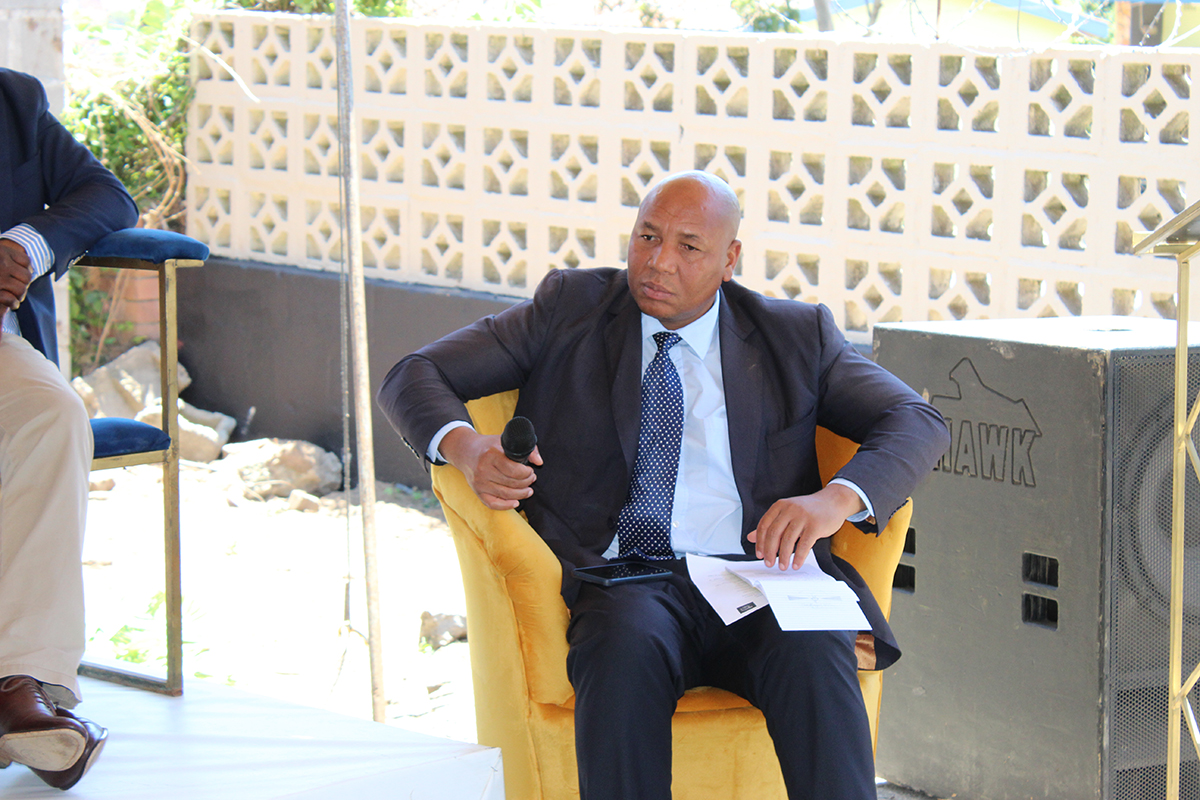
MANZINI – A local youth allegedly lost a kidney after travelling abroad in search of employment opportunities, only to be sedated and operated on without his consent.
The disturbing incident was revealed by Musawenkhosi Sifundza of the Trade Union Congress of Swaziland (TUCOSWA), who warned that some emaSwati were being exposed to extreme dangers while pursuing employment opportunities outside the country.
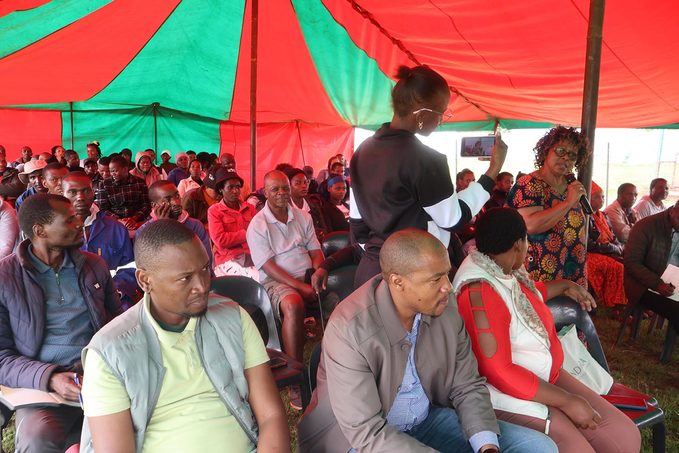
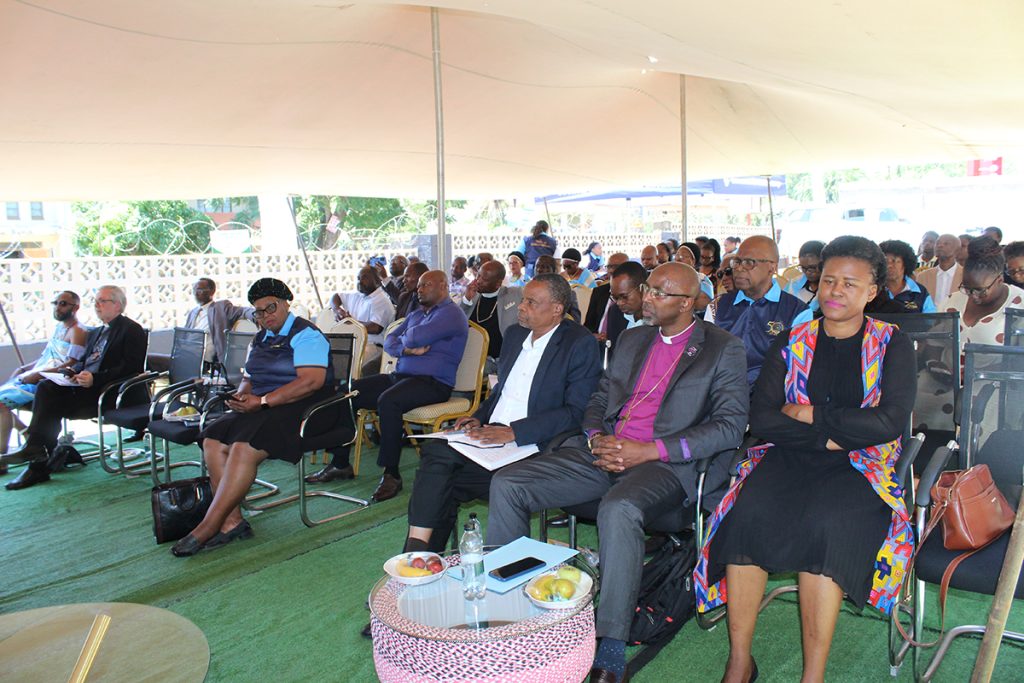
Sifundza was speaking during the 50th Anniversary celebrations of the Council of Eswatini Churches (COE), held at the Mandlenkhosi Building yesterday.
He said TUCOSWA was advocating for a policy that would guarantee the safety and protection of emaSwati travelling abroad in search of employment.
He expressed concern that even some respected individuals were allegedly involved in facilitating human trafficking by luring young people overseas with promises of jobs that did not exist.
“Those people are going there as people who are going to work, but we are worried. When they reach the airport in those overseas countries, someone takes their passport, promising to stamp it. The next thing, the person who is fetching you is no longer the one you were travelling with.
“Some people lose their body parts. Someone said he was then taken to a certain place and went into a coma. By the time he regained consciousness, he had stitches and his kidney had been stolen from him,” he said.
Sifundza also questioned suggestions that increasing the country’s population was the solution to national development, arguing that Eswatini had existing resources that were not being fully utilised.
“We know that in Eswatini we have a lot of mines that are underutilised. We have a gold mine that is operational, but no one knows where the gold is being taken to,” he said.
He commended the Council of Eswatini Churches for its continued stance against injustices.
Meanwhile, Coordinating Assembly of Non-Governmental Organisations (CANGO) Director Thembinkosi Dlamini said the growing frustration among young people over unemployment had reached a point where some were calling for foreigners to leave the country.
Dlamini said the presence of foreign nationals operating businesses in the country, coupled with alleged irregularities in the issuance of residence permits, had contributed to perceptions that locals were being denied economic opportunities.
He alleged that some foreign nationals obtained residence permits through questionable arrangements involving emaSwati working in relevant government departments.
“E30 000 is what you need as a foreigner to get a residence permit from Mbabane. None of those people filled those forms with the intention of going to have a shop in the rural areas. This means most of those documents are falsified. This is done in cohorts with emaSwati who are working in those departments,” he said.
He warned that the country’s inability to manage its finances and growing indebtedness could undermine its capacity to create employment opportunities for young people.
He said this frustration was contributing to calls by some young people for foreigners to leave, as they believed the latter were taking up opportunities that should be available to emaSwati.
The Council of Eswatini Churches General Secretary Zwanini Shabalala said the 50th anniversary was an important milestone as it allowed the organisation to reflect on the challenges it had overcome and the achievements it had recorded over the years.
He said the Council had undertaken various projects, including promoting food security, providing water to communities, schools and clinics, and constructing educational and health facilities.
“The many projects included food security and water provision even for schools and clinics. We built schools and clinics and further taught people how to claim and protect their rights. We were sent to people who deserve to be assisted because they live in desperate situations,” he said.
Shabalala said the Council was now looking at ways of sustaining the objectives established by previous generations of its leadership.
He acknowledged that funding was dwindling, making it difficult to continue implementing capital projects, but said the organisation could still make a significant contribution through human capital development.
Also speaking was Zanele Mlambo of the Refugee Unit, who represented the Principal Secretary in the Ministry of Home Affairs.
Mlambo said the country continued to face challenges such as mental health concerns and gender-based violence, which required collective intervention.
She also acknowledged the Council’s contribution towards supporting refugees in the country.
She said the organisation had played an important role in promoting peace and social cohesion while upholding Christian values of helping vulnerable people.
“They foster peace and social cohesion in societies. They have maintained the Bible principle of feeding the hungry and clothing the naked,” she said.