
TAIPEI – Eswatini could draw on Taiwan’s experience in managing trade pressure from mainland China to strengthen its economic resilience and protect its trading interests.
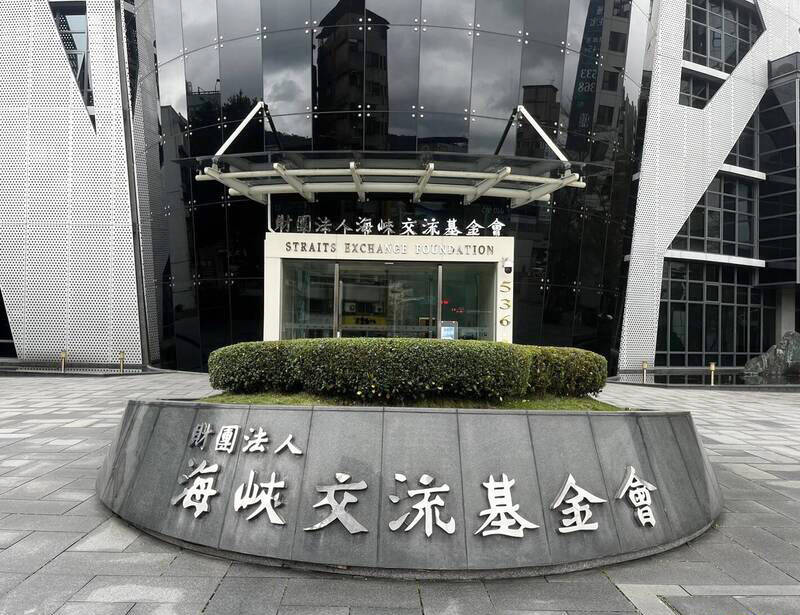
The Straits Exchange Foundation (SEF), a semi-official Taiwanese organisation, says its close links with businesses could help identify early signs of trade-related pressure and disruptions to supply chains.
SEF Secretary-General Luo Wen-jia shared the insights following a recent visit to Taipei by a delegation of international journalists, including representatives of the Times of Eswatini.
The foundation was asked how it monitors Beijing’s use of trade restrictions, import bans and other economic measures against countries that maintain or strengthen diplomatic relations with Taiwan.
Luo said the issue had attracted considerable attention in Taiwan and among its international partners. He explained that the foundation’s direct links with Taiwanese businesses enabled it to identify early signs of policy-driven pressure.
“In practice, our service channels for Taiwanese businesses allow us to pick up early signals when companies come under policy-driven pressure,” Luo said.
He added that regular meetings with business owners and industry associations helped the foundation monitor changes in supply chains, shifting orders and market conditions.
Luo said the SEF also helped businesses reduce operational risks by connecting companies seeking to diversify their operations with relevant institutions, including Taiwan’s Ministry of Economic Affairs, the Taiwan External Trade Development Council (TAITRA) and regional Taiwanese business networks.
He expressed hope that greater international dialogue and cooperation would help countries facing external economic pressure better understand how to respond.
For Eswatini, the issue is relevant because of its trade relationship with Taiwan, which includes preferential duty-free access to Taiwanese markets for products such as sugar, citrus fruits and beef.
In return, Taiwan exports industrial machinery, textiles and technology to Eswatini, with Taiwan maintaining a trade surplus.
The potential value of Taiwan’s experience to Eswatini lies in understanding how trade disruptions can affect businesses, export markets and supply chains, as well as how companies can diversify their operations to reduce exposure to external economic pressure.