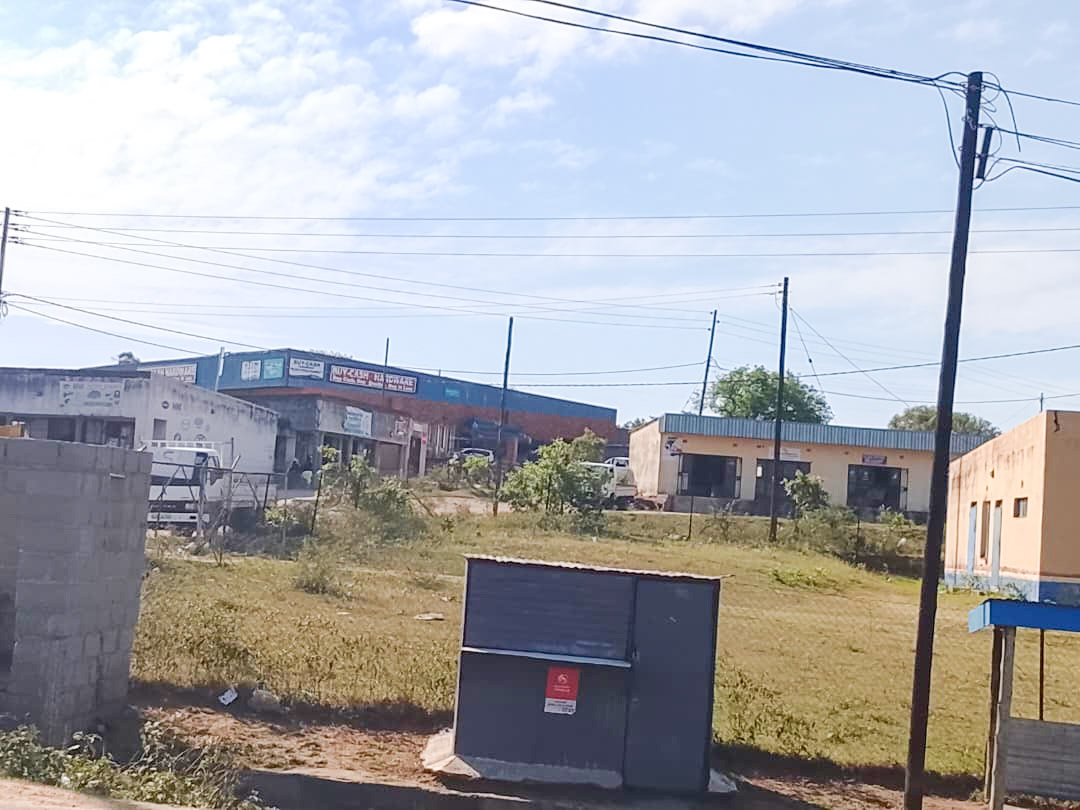
MADLANGAMPISI – Madlangampisi residents have voiced their concerns over what they called the emergence of Madlangampisi small town as a new hub for sex workers.
Interviewed vendors and residents within the town have stated that money circulating through the illegal dagga trade was changing the town’s social environment, with sex workers reportedly becoming increasingly visible during periods of heightened agricultural activity.
Information gathered is that the presence of sex workers appeared more noticeable during the dagga harvesting season, when people involved in the trade were believed to have more money to spend. They said some women, mostly those coming from neighbouring South Africa, were attracted by the prospect of finding paying clients among people working in or visiting the area.
The concerns have now drawn attention to the relationship between an illegal industry believed by residents to generate substantial sums of money and the changing social life of their small yet developing town.
The reported developments have also raised concerns about young girls allegedly entering relationships with the dagga farmers and older men, who are believed to lure them through money. Alex Tsabedze, the Indvuna Yenkhundla for Madlangampisi, confirmed the emergence of sex workers within the town, though he declined to attribute it to the growing of dagga except to state that young men from the area were actively hard-working.
Farming
Madlangampisi is both known for its extensive agricultural activity, including commercial farming, as well as dagga farming at places like Nyonyane, Mnjoli and Mliba. While legitimate farming remains an important part of the local economy, residents interviewed by Eswatini News said the illegal cultivation and trade of dagga had also become a significant concern.
According to the residents, the growing of dagga within their area has contributed to the growing visibility of sex workers around the town, although they acknowledged that the activity could not be attributed to dagga farming alone. The concerns come as police continue to target illegal dagga cultivation and trafficking, including through the destruction of several hectares of dagga plants around Madlangampisi this year.
People have also continued to face arrest in connection with alleged attempts to smuggle consignments of the drug locally and across the border into South Africa. Some consignments have reportedly been valued at millions of Emalangeni, reinforcing local perceptions that the illegal dagga trade represents a million-Lilangeni industry.
Meanwhile, Tsabedze has acknowledged that the social environment at Madlangampisi has changed, with young women increasingly visible on the streets after dusk, apparently looking for potential clients. He expressed concern about the changes and their possible effects on households. Residents also reported that some sex workers appeared to travel from neighbouring South Africa, including communities around Mananga and Matsamo, to seek clients in Madlangampisi. The residents’ concerns point to a perceived relationship between money circulating through the illegal trade and the demand for sex work. Voice of Our Voices (VOOV) warns against stigmatising vulnerable children
Meanwhile, the VOOV, when sought for comment on this matter, stated that sex work is present in different parts of Eswatini, particularly in busy commercial and business areas such as Madlangampisi.
VOOV is an organisation advocating for the rights, dignity, health and safety of sex workers.
However, the organisation’s Information Technology and Communications Officer, Sihle Dlamini, said it would be cautious about confirming claims of an increase in the number of young girls involved without reliable data documenting the trend.
Dlamini stressed that concerns involving children required a different response from discussions about adult sex work, particularly where young people might be experiencing sexual exploitation.
Children
“The involvement of children in sexual activities for money or other forms of benefit is a serious concern and should not be treated in the same way as adult sex work,” said Dlamini.
Further, Dlamini suggested that children who found themselves in such circumstances needed protection, support and appropriate interventions rather than condemnation or stigma.
Responding on possible contributing factors for the rise of sex workers across all busy areas, he said poverty, family challenges, unemployment and a lack of opportunities could leave some young people vulnerable to exploitation and risky survival strategies. The organisation also pointed to young people who had completed school or tertiary education, yet remain unemployed and without reliable sources of income.
According to Dlamini, the circumstances pushing young people into vulnerable situations needed to be understood if communities and government were to develop effective interventions.
Concerns
The organisation also raised concerns about the availability of alcohol and other substances in communities, including questions about the enforcement of age restrictions.
Dlamini said substance use could affect young people’s decision-making and expose them to situations in which they became vulnerable to exploitation or engaged in risky behaviour to obtain money for substances.
The communications officer also stated that children involved in sexual activities in exchange for money or other benefits could face serious physical and psychological risks. These include exposure to HIV, sexually transmitted infections, unintended pregnancy, sexual violence and exploitation. Moreover, he said children may also lack the experience or bargaining power to negotiate safer sexual practices, leaving them particularly vulnerable to harm.
Therefore, he urged parents and communities to pay attention to possible warning signs, including children frequently missing school, unexplained behavioural changes, sudden possession of money or expensive items, substance use and associations with significantly older individuals.
Furthermore, spending time in environments where children may be exposed to exploitation was another concern identified by the organisation. However, Dlamini cautioned that these signs should not automatically be treated as proof that a child was involved in sex work. Instead, he said they should prompt parents and communities to engage with the child, establish what they might be experiencing and seek appropriate assistance.
Unemployment
Directing advice to communities, Dlamini said every community needed to avoid simply condemning young people without examining the circumstances contributing to their vulnerability. VOOV said the country’s youth unemployment challenge needed to form part of any response to concerns about young people entering vulnerable situations.
Dlamini said large numbers of young people completed school, college and university every year, yet many struggled to find employment or meaningful economic opportunities.
He, therefore, called for stronger pathways to employment, entrepreneurship, skills development and sustainable livelihoods, arguing that government and other stakeholders needed to consider how young people could be absorbed into the economy.
The organisation also called for stronger child-protection programmes, community education and interventions addressing poverty and vulnerability.
Dlamini said communities needed to be equipped to identify risks, communicate effectively with children and know where to refer those requiring assistance.
Organisations such as VOOV, Dlamini added, have a role in advocating for the rights, health, dignity and safety of vulnerable populations while working with government and communities to improve access to services.
A wider national concern
The reports of sex workers operating at Madlangempisi reflect concerns about the visibility of sex work in other parts of Eswatini. Information provided by VOOV indicates that sex workers are also present in areas including Siphofaneni, Mpaka, Matata, Siteki, Hlatikhulu, Nhlangano, Ngwenya and Lavumisa.
These locations include commercial centres, towns and settlements along major transport routes, where traders, transport operators and other travellers move through communities.