LOBAMBA – Have men and women of the cloth lost their mandate, and could this be contributing to the rising number of divorce cases in the country?
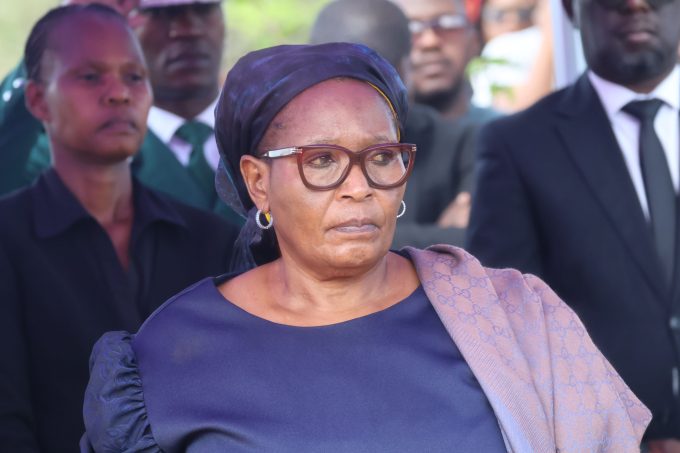
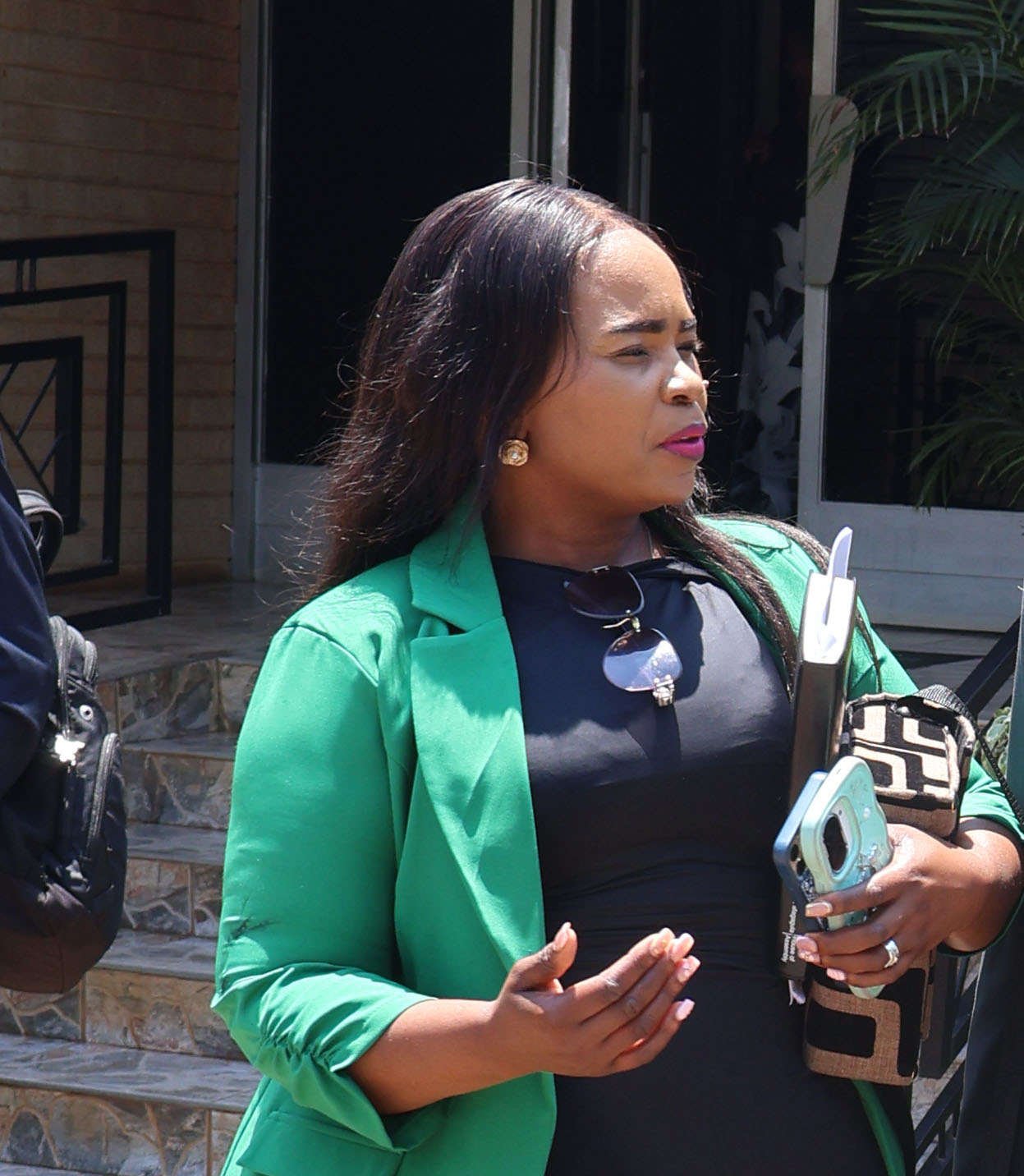
For Hhohho Region Member of Parliament (MP) Tanele Magagula, the answer is yes. She has expressed concern over the failure by some pastors to uphold the values of marriage and family unity.
Magagula believes that pastors, who are traditionally expected to guide couples and strengthen family structures, are increasingly failing to fulfil this responsibility, particularly when some of them are themselves getting divorced.
Making her submission during the portfolio committee debate on the Ministry of Home Affairs’ second quarter performance report in Parliament yesterday, the MP raised concerns over the high number of divorce cases in the country, questioning whether church leaders were still playing their expected role in helping couples preserve their marriages.
She said marriage is a gift from God and expressed disappointment that even pastors were increasingly finding themselves in divorce proceedings.
“I become concerned seeing the high number of divorcees. Even pastors are divorcing and this makes one wonder, who will teach the couples how to handle marriages if the pastors themselves are divorcing?” she asked.
The MP argued that some pastors were no longer preaching the fundamentals of marriage and the importance of maintaining strong family structures.
She said this has created a situation where couples were no longer adequately guided on how to resolve disagreements and challenges within their marriages, resulting in disputes being taken to court rather than being addressed through family structures.
Magagula also raised concern over the erosion of family involvement in marriage arrangements, blaming the increasing influence of modernised marriage practices.
According to the MP, some couples now proceed with marriage arrangements with the involvement of only their pastors and a few church members, leaving their respective families out of the process.
She questioned how church members could adequately guide couples when they did not necessarily understand their backgrounds or the family dynamics involved.
“The problem started when we made marriages to be civilised. Today, the civilisation is such that the bride-to-be just goes with her pastor and some church members and the family members are never involved. Yet the church members do not know much about the couples,” she submitted.
She maintained that families had an important role to play in marriage matters, particularly when couples encountered difficulties that required intervention, guidance and reconciliation.
The MP further cautioned against the mushrooming of churches in the country, alleging that some religious institutions were promoting teachings that undermined family relationships.
She claimed that certain churches preached that families were demonic and discouraged congregants from involving their relatives in marriage-related matters.
“There is also the issue of many churches, the mushrooming churches. Some of the churches preach that families are a demon. They even say that families must not be involved in marriage issues,” she said.
Magagula acknowledged that the Ministry of Home Affairs was preparing an important intervention through its efforts to regulate churches, saying the initiative was necessary to address concerns surrounding the conduct and teachings of some religious leaders.
She said such regulation could help restore accountability within religious institutions and ensure that churches remained part of the solution in strengthening families rather than contributing to their breakdown.
The MP, however, questioned how pastors could continue teaching emaSwati about the importance of preserving marriages when some of them were themselves going through divorces.
“Who will teach emaSwati that divorce is not good when they are the ones who are divorcing? Pastors have lost their mandate!” she declared.
She warned that the weakening of family structures could have far-reaching consequences for the country, questioning what would become of families and society if the situation continued unchecked.
“Where will the families be? Where will the country be? Who will bring order if pastors are divorcing left, right and centre? This is bad! Let us go back to the basics!” she urged.
Magagula also questioned the criteria used in establishing churches, expressing concern that individuals with limited experience could simply decide to open religious institutions and attract large congregations.
She cited an example of a 20-year-old young man who could wake up one morning and establish a church in Matsapha and a large number of congregants flock to it.
She suggested that the proliferation of churches needs closer scrutiny to ensure that those entrusted with spiritual leadership understand the responsibility that comes with guiding congregations, particularly on sensitive matters such as marriage and family relationships.
Meanwhile, MP Chief Ngalokhulu Mabuza questioned whether the ministry is satisfied with the conduct of religious organisations, particularly amid growing concerns over church leaders taking one another to court.
The chief sought clarity on whether the ministry was engaging religious organisations to address disputes within the sector.
Mabuza questioned whether the ministry had taken note of the apparent trend of religious leaders and organisations engaging in legal battles, instead of resolving their differences through dialogue.