MATSAPHA – Eswatini Air is exploring new revenue streams, including cargo transportation, aircraft maintenance services and aviation training, as it seeks to strengthen its financial sustainability amid rising fuel costs.
Ndumiso Shongwe, General Manager of Eswatini Air, said the airline was implementing a number of strategic initiatives aimed at reducing its dependence on passenger revenue and improving its financial position.
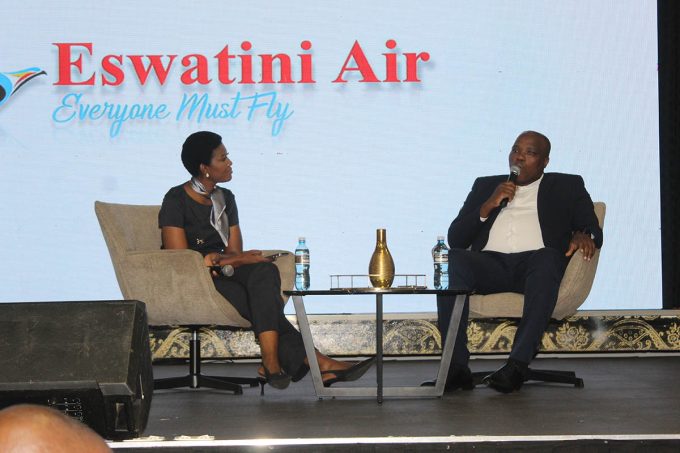
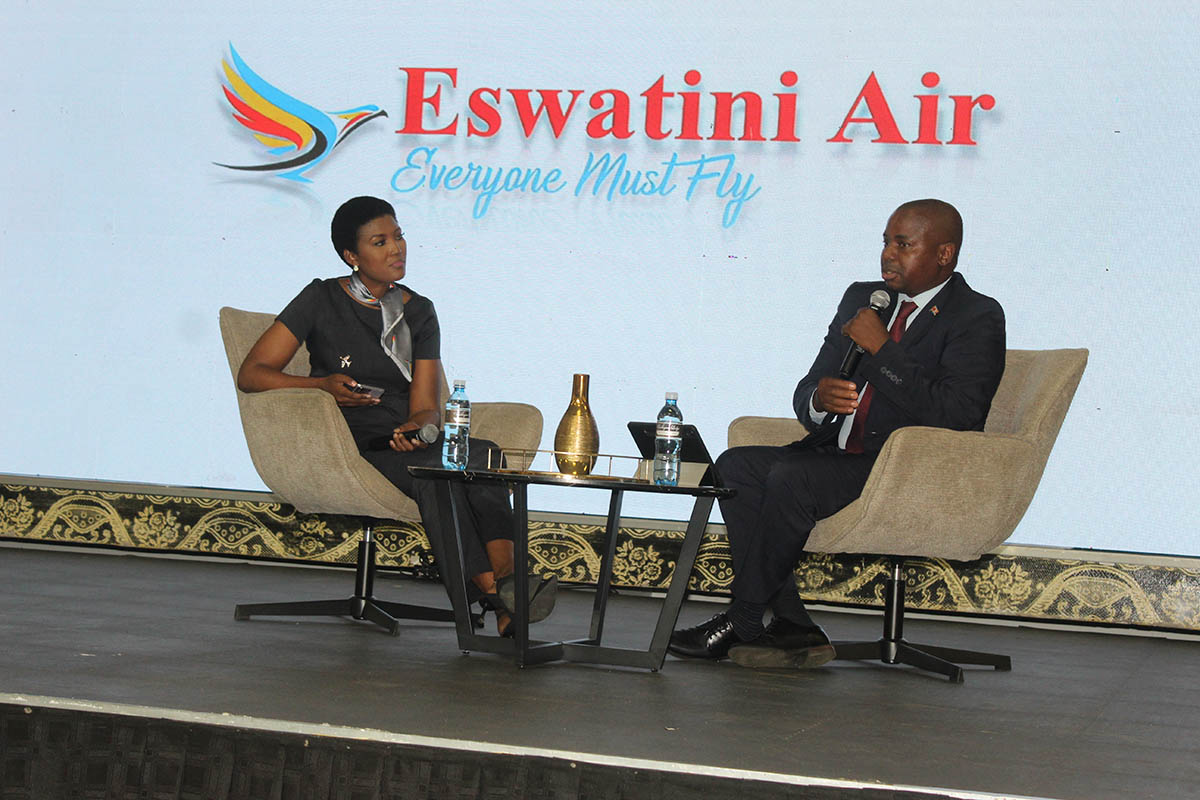
Speaking during a stakeholder engagement session at Esibayeni Lodge, Shongwe said the airline had been severely affected by the increase in fuel prices, which he attributed to the conflict in the Middle East.
He said aviation fuel, which previously cost around E9 to E11 per litre, had increased to approximately E30 per litre, more than doubling the cost of one of the airline’s major operational expenses.
He said the period between 2033 and 2036 would be dedicated to fleet renewal, market growth and stabilising operations around the larger aircraft capacity.
He emphasised that the airline was not simply concentrating on its current two aircraft but was developing a long-term strategy to ensure its sustainability beyond the tenure of the current management.
Meanwhile, Shongwe reported that the airline had addressed 89 per cent of findings from its audit report, with the remaining 11 per cent at different stages of closure.
He said some of the outstanding findings related to documentation, which the airline was working to complete.
He explained that the ongoing Air Operator Certificate (AOC) recertification process was also helping the airline address some of the identified gaps through updated and approved operational manuals and documentation.
Shongwe further appealed to emaSwati to support Eswatini Air, saying the airline had generated more than E400 million in societal savings through reduced air travel costs.
He explained that before the introduction of Eswatini Air, passengers travelling between Eswatini and Johannesburg paid more than E6 000 for a return ticket.
However, the introduction of the national airline brought more affordable fares, prompting competing airlines to also reduce their prices.
He said the reduction in airfares had translated into significant savings for travellers, which the airline regarded as part of its contribution to society.
Shongwe also reported that air traffic had grown more than fivefold since the airline started operating, demonstrating the impact of its presence in the market.