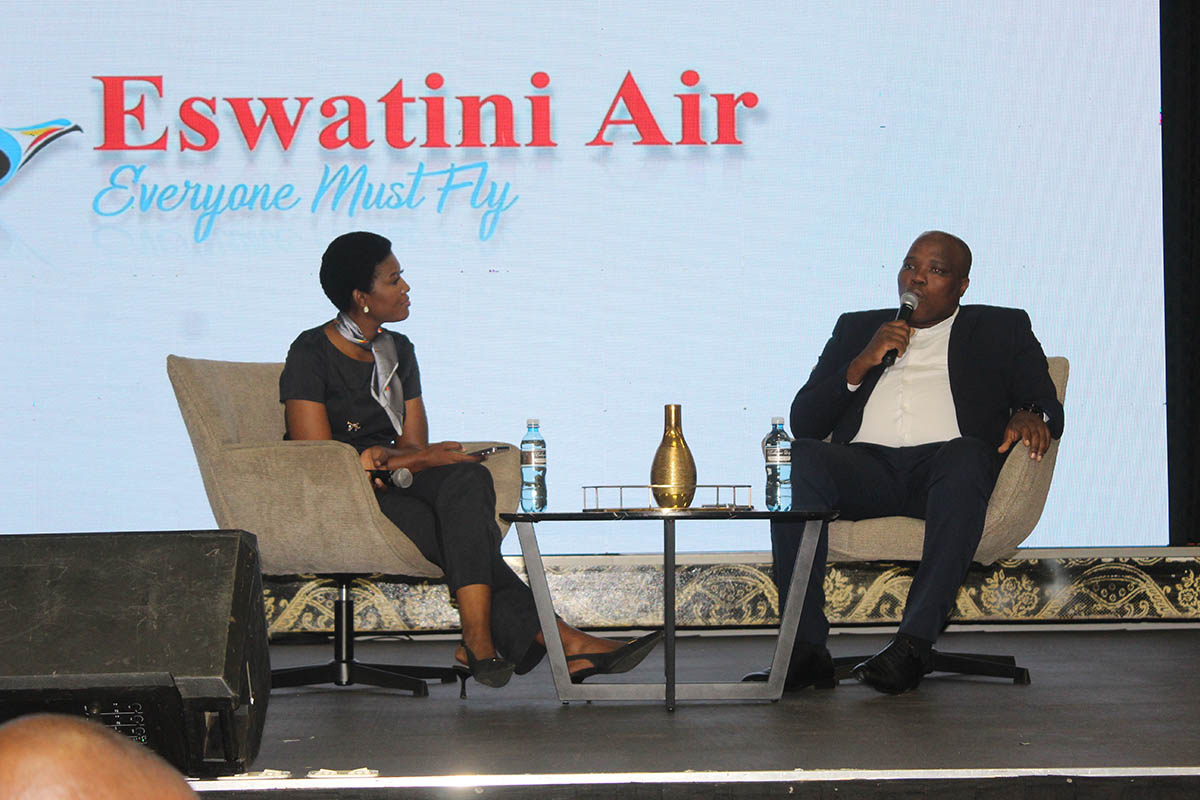
ESWATINI – Chief Executive Officer of the Eswatini Tourism Authority (ETA) Vusie Dlamini has called for stronger collaboration between tourism stakeholders and airlines to attract more international visitors and increase tourist arrivals in the country.
Dlamini said joint destination marketing, improved air connectivity and the development of attractive tourism packages were critical in positioning Eswatini as a competitive tourism destination.
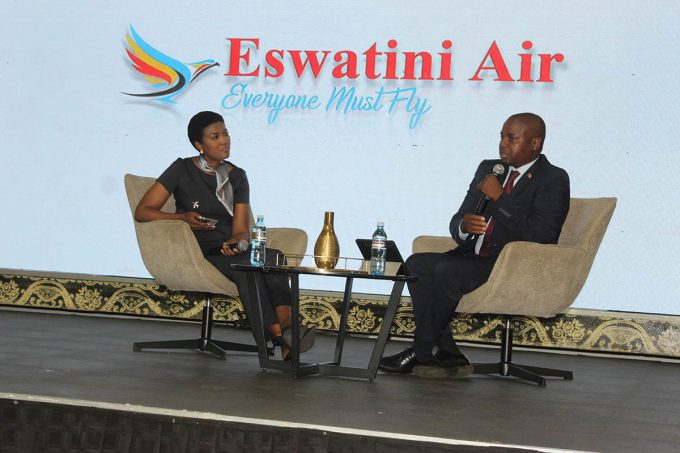
He was responding to a question on how the ETA and Eswatini Air could strengthen their collaboration in marketing the country internationally, particularly in attracting tourists and increasing passenger traffic.
Dlamini said the establishment of the Palazzo International Convention Centre (ICC) presented an opportunity for Eswatini to grow its Meetings, Incentives, Conferences and Exhibitions (MICE) tourism market.
However, he cautioned that the country needed to ensure it had sufficient capacity to accommodate visitors before embarking on aggressive marketing campaigns.
He gave an example of an event that could attract 6 000 delegates, saying the country would first need to establish whether it had the capacity to receive and accommodate such numbers.
The ETA chief executive said there was also a need to ensure that visitors attending conferences and other events did not leave immediately after their engagements.
He said tourism authorities and tour operators should collaborate in developing packages that would encourage visitors to extend their stays and explore the country’s attractions.
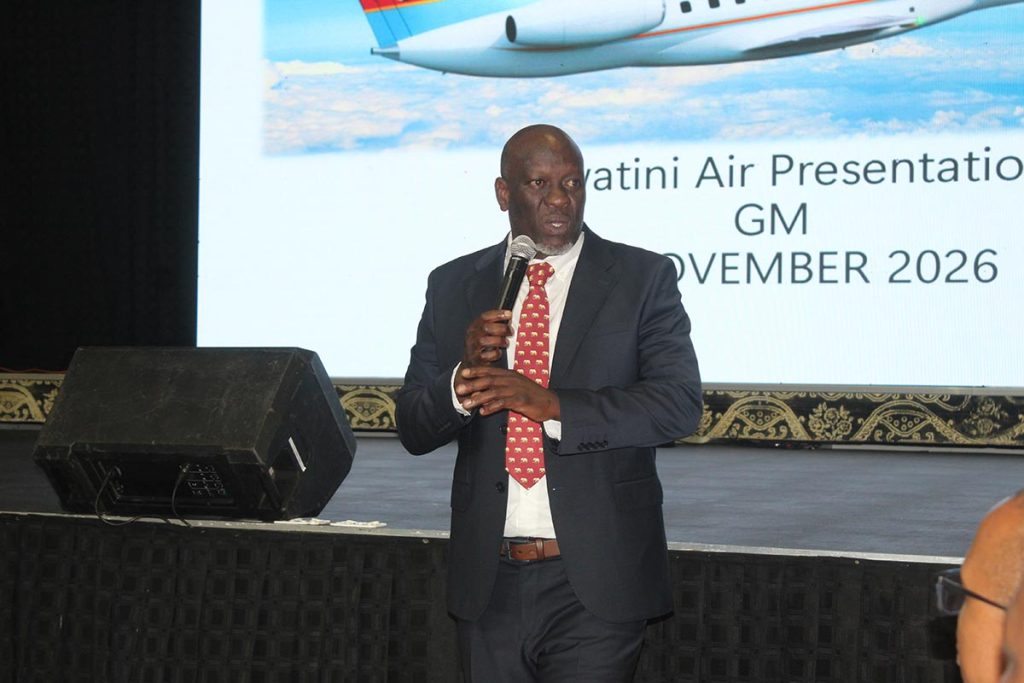
Eswatini air eyes bigger fleet, regional aviation hub
MANZINI – Eswatini Air is looking beyond its two Embraer ERJ 145 aircraft as it moves towards developing a fleet expansion strategy aimed at growing its operations beyond the Kingdom’s borders.
Board Chairperson Dr Wisdom Dlamini said the airline’s management had been mandated to develop a fleet strategy as part of the ambition to grow the national carrier into a bigger regional player.
He said the airline’s vision was no longer limited to operating the two aircraft with which it started, adding that the country needed to think beyond its size and position itself for greater opportunities in the aviation industry.
Dlamini was speaking during an engagement with stakeholders, where he emphasised the need for collective support from government, the private sector and other players in the tourism and aviation industries.
“We may be a small country, but we want to go big,” he said.
He said Eswatini Air’s ambition should be understood within the broader economic aspirations of the country, particularly plans to position the Kingdom as a regional travel and aviation hub.
Dlamini noted that the development of the aviation industry in countries that were ahead of Eswatini had been supported by strong collaboration among different stakeholders.
He said the country’s ambitions around KM3 and the proposed special economic zones, as highlighted by the Civil Aviation Authority, could not be achieved without Eswatini Air playing a central role.
He added that other players, including engineers, tourism operators, businesses and Government institutions, would need to work together to make the vision a reality.
“If we want to make Eswatini a hub for travel and air travel in the region, we need to work together,” he said.
Dlamini described the stakeholder question-and-answer session as useful, saying it had provided the airline with ideas on areas where it needed to improve its operations.
He also commended the airline’s Chief Executive Officer, General Mkhala, for attending the engagement throughout, describing his presence as a demonstration of commitment to the airline’s growth.
The Board Chairperson said the airline’s performance indicators presented during the engagement were encouraging and gave him confidence that its future was bright.
He stressed that Eswatini Air’s role should extend beyond aviation as a commercial undertaking, saying it also had a responsibility to empower emaSwati and contribute towards addressing the country’s economic and employment challenges.
“We are not just looking at aviation as a primary sector, but we want to empower emaSwati,” he said.
He said the airline aspired to become one of the key contributors to economic development and improved livelihoods in the country.
Dlamini further thanked the airline’s management and employees for their dedication, particularly those who worked behind the scenes to ensure the organisation’s operations continued smoothly.
He reiterated that the airline’s slogan, Everyone Must Fly, was more than a marketing message, describing it as an economic commitment that required the participation of every sector.
He said the success of the national airline would depend on the extent to which the country rallied behind it.