

Every December, the world wraps itself in colour. There are fairy lights and scented candles, beautifully-decorated trees, music in the background and the warm promise of rest. Families gather, children reunite and adults take a breath from the weight of the year. On the surface, the festive season represents joy, generosity and harmony. Yet, beneath the tinsel and sparkle lies a truth we rarely examine: The festive season often reinforces the very gender roles that keep women overworked, undervalued and unheard.
As we commemorate the 16 Days of Activism against Gender-Based Violence (GBV), it becomes important to look at how our traditions, even the ones we love most, quietly uphold systems that harm women. Patriarchy does not always announce itself through loud violence; sometimes, it enters the room politely, hidden behind festive greetings and plates of food. It hides in the most familiar rituals: Cooking, hosting, childcare, gift-giving and expectations about who should do what during the holidays.
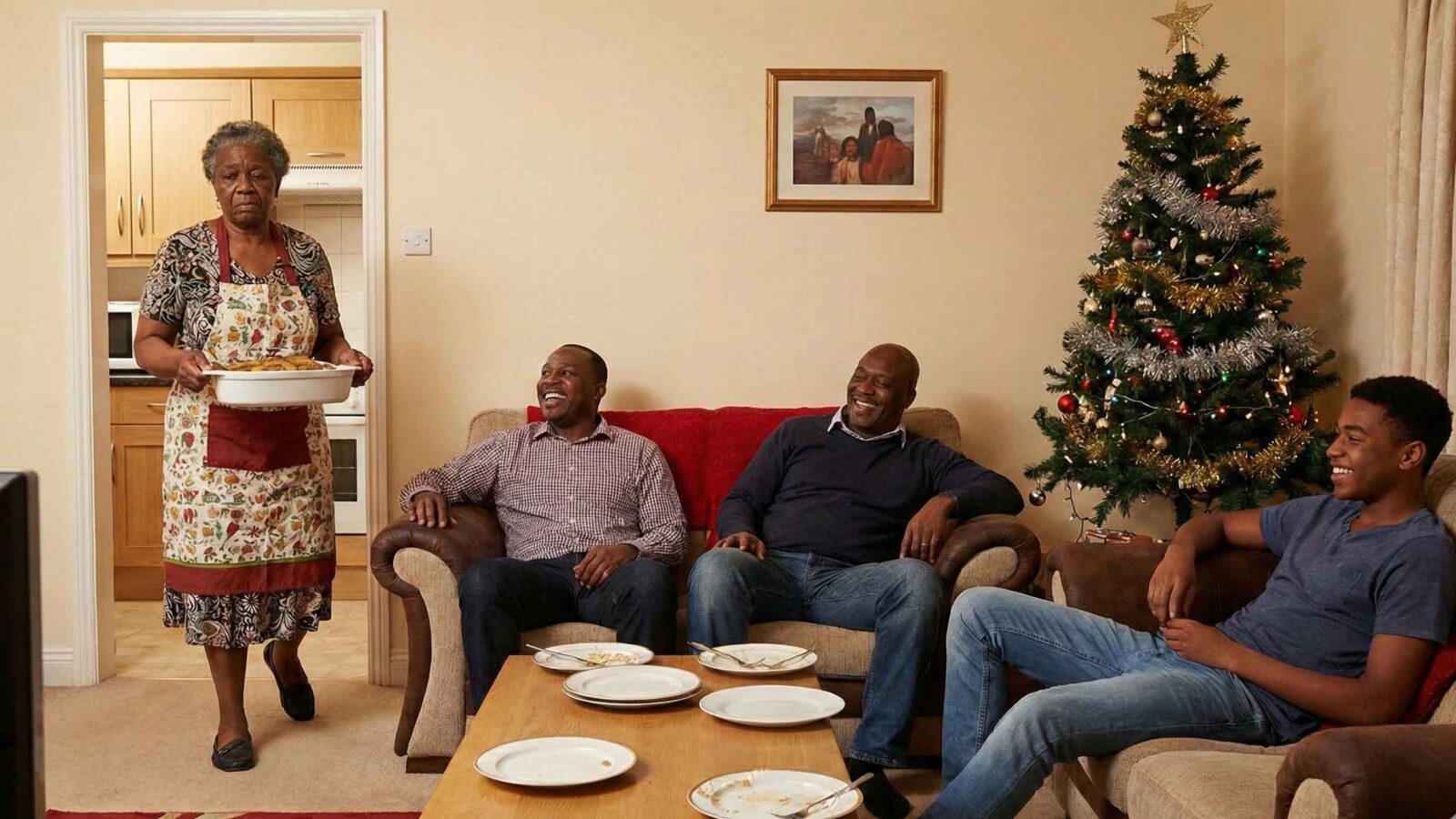
In many households, the festive season demands that women shoulder even more labour than usual. While men relax or catch up with friends, women are expected to cook large meals, clean, organise visits, manage children and emotionally host the entire family. It is the season of the ‘perfect woman’: The one who smiles even when she is exhausted, who ensures that everyone is comfortable, who keeps the children entertained, who makes the house feel festive; while absorbing everyone’s emotional needs.
This labour is not just physical; it is emotional, mental and invisible. Women become the emotional managers of the family, soothing conflicts, remembering who likes what food, smoothing relationships and ensuring harmony. Also, because society has normalised this, few even notice it. A woman’s exhaustion is often seen as a natural part of the holiday experience, not as an unfair burden.
The irony is that the festive season is supposed to be a time of rest for everyone. Yet for many women, it becomes the hardest work period of the year. It is not uncommon to hear women say: ‘‘I need a holiday from the holidays,’’ while their male partners genuinely feel rested. This imbalance is not accidental; it is cultural, passed down from generation to generation, wrapped neatly as ‘tradition.’
Gift-giving also reveals subtle gender expectations. Men receive gadgets, clothing or items that reflect their interests. Women, on the other hand, are often given gifts that keep them tied to domestic roles – aprons, kitchenware, cleaning appliances. These items are presented as thoughtful, yet they reinforce the idea that a woman’s primary space is the household. Even young girls are not spared. They are given dolls, miniature kitchens and items that condition them for caregiving, long before they understand what they are being prepared for.
During family gatherings, girls are often asked to help in the kitchen while boys play outside or relax. The message is clear: Women serve; men are served. Many of us remember being called from play to help dish food for male relatives, or being scolded if the house was not ‘presentable’ enough. These early lessons shape how women view themselves and what society expects from them.
When these gender roles go unquestioned, they contribute to a broader climate, where women’s autonomy is limited and their labour undervalued. While these patterns may seem harmless, they form the foundation upon which more harmful behaviours rest, including entitlement, control and ultimately, gender-based violence. Violence does not begin with a punch; it begins with a belief system. A belief that men deserve to be served. A belief that women must give. A belief that a woman’s worth is measured through sacrifice.
Recognising these patterns does not mean rejecting the festive season. Instead, it is an invitation to reimagine it. What would holidays look like if responsibilities were shared? How would women feel if the festive season meant genuine rest, rest without guilt, rest without apology? What if boys were taught to help in the kitchen just as much as girls? What if gifts reflected women’s dreams and passions, instead of reinforcing domesticity?
Small changes can shift entire cultures. A man offering to cook one meal might be a small act, but it represents a larger shift in attitude. Families intentionally discussing chores and sharing them equally can rewrite traditions. Women expressing their need to rest can create new norms. This is how we dismantle patriarchy, not just through big speeches, but through everyday practices.
As we observe the 16 Days of Activism, let this season be a reminder that GBV is not only physical; it is rooted in the unequal distribution of power and labour. If we can challenge the smaller patterns, we weaken the larger ones.
The festive season should not be gift-wrapped patriarchy. It should be a time where every member of the family, especially women who carry so much, feels valued, supported and free.


















Leave a comment