

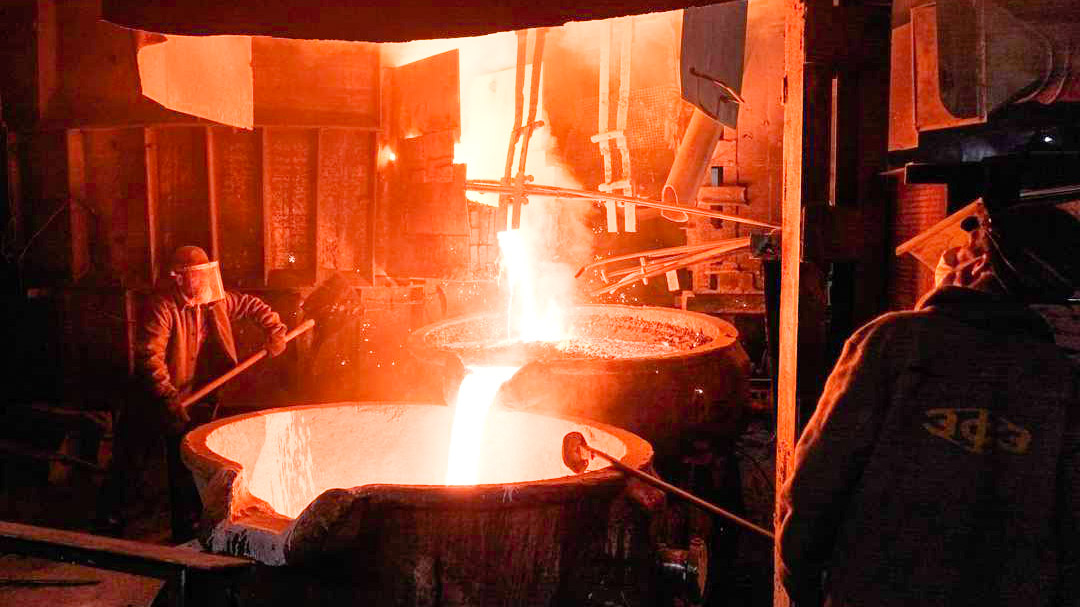
MBABANE – As there is less tangible effort to protect local mines, more emaSwati are set to lose their jobs, in the anthracite coal mining sector.
The continuous retrenchments in South African smelters have ripple effects in the country, resulting in a job crisis for emaSwati. This crisis follows a major reduction in demand, as South African smelters were the main anthracite coal mining entities’ customers.
Anthracite is the highest quality of coal, known for its high carbon content and low impurities. Smelters use it mainly as a carbon source and a reducing agent to make metals like iron and steel.
The country’s mining sector was thriving, exporting coal to South Africa until early 2025. However, Eskom’s soaring electricity tariffs, combined with other factors, have made the South African smelting operations uncompetitive worldwide. Since 2008, Eskom’s electricity tariffs have risen by over 900 per cent.
In light of this, Glencore Ferroalloys Chief Executive Officer (CEO) Japie Fullard informed employees that the company would retrench staff at the Boshoek and Wonderkop Smelters, Rhovan Operations and the Carbon Division.
This is the second announcement of this nature, similar to one issued in September, outlining the same challenges. In the most recent statement, dated December 1, 2025, Fullard said: “On Friday, November 28, 2025, Eskom presented a proposal that we have carefully reviewed. While this proposal is still subject to further approvals, our analysis shows that it only allows us to continue operating Lion Smelter. Sadly, it does not provide a sustainable path forward for Boshook and Wonderkop Smelters.”
As a result, he said formal retrenchment notices and voluntary severance package (VSP) approvals were sent out from the previous Monday, though they remain hopeful. He informed employees that some of the notices and approvals remained conditional until today.
Fullard said: “If a positive or viable solution is not received from (South Africa) government by Monday, December 8, 2025, the notices of termination and VSP approvals will automatically take effect and will be binding, without any further communication to you”.
He added that if no positive or viable solution is found, Wonderkop and Bosboek Smelters will be placed on care and maintenance from January 1, 2026. Mlungisi Dlamini of L.C.E Investments (Proprietary) Limited said the shrinking anthracite coal market due to developments in South Africa is a serious challenge for the local mining sector, warning of acute job losses.
Dlamini was in a meeting with other industry stakeholders and investors from other countries. He said their discussion was focused on maximising production for the export market in Far Eastern Asian countries, as the problems in South Africa pose a threat to their survival.
“We are looking at Asian countries now as anthracite exportation is on a standstill, following the Eskom-smelters stalemate,” Dlamini said.
The Asian countries they are looking at include China, South Korea and India. He expressed hope that government would intervene to help them achieve a higher volume of exports to these countries.
*…
Govt explores Asian markets for anthracite coal
MBABANE – Local anthracite coal miners’ requests for relief measures that government can control cannot be put into effect, but a plan for Asian markets is underway.
The anthracite mines asked for government’s help, such as tax holidays, lower electricity tariffs and a break in royalty payments.
This followed this publication asking the Minister for Finance, Neal Rijkenberg, what his portfolio is doing to save the anthracite mines in Eswatini, given that most of their clients in South Africa are closing down or reducing their size.
The questionnaire noted that these developments have led some companies to downsize their staff, which affects government income from tax collection (PAYE and VAT).
The minister was asked to comment on what his ministry is doing to help the mining sector, especially those mining anthracite, to reduce their costs and ensure they do not close completely.
He was asked if there were any plans to help the current mines consolidate their production for export or if there was a fund they could use in the meantime to at least break even.
Rijkenberg acknowledged the challenges and noted that the industry has been negatively affected by the collapse of the chrome smelting industry in South Africa.
“We stand ready to support where we can with whatever assistance is needed for the industry to shift to possible exports, but are unfortunately not in a position to use taxpayer money to assist in any way with cash,” he said.
*…
Coal production falls amid low South African demand
MBABANE – Coal output in Eswatini fell by 22.7 per cent in the quarter ending June 2025, following a 28.6 per cent decline in the first quarter.
This reflects the weak demand from South Africa’s steel industry.
This information comes from the Central Bank of Eswatini’s Recent Economic Developments (RED) Report for September-October 2025.
The fall in coal production was part of a broader 28.9 per cent contraction in the mining sector during the quarter. The RED report put the downturn down to temporary stoppages in South Africa’s steel industry, which lowered demand for Eswatini’s coal exports.
The report states that the primary sector overall, remained suppressed with a 6.1 per cent contraction year-on-year in the second quarter of 2025, following a steeper decline of nine per cent in the previous quarter. The decline was largely due to a significant drop in the ‘mining and quarry’ sub-sector, which experienced a consecutive drop after falling by 31.5 per cent year-on-year in the first quarter. The poor performance of the mining sector shows that local anthracite coal mining companies are seeing lessened demand for their business due to a lack of clients to supply.
*Full article available in our publication
















Leave a comment