

MBABANE – The Business Federation of Eswatini (BUFE) has warned that the recently approved 13.61 per cent electricity tariff increase for the 2026/2027 will significantly strain MSMEs.
The federation said such will further tighten an already challenging operating environment.
The tariff hike, approved by the Eswatini Energy Regulatory Authority (ESERA) and announced on Tuesday, forms part of a multi-year adjustment trend that business leaders argue continues to outpace inflation and erode competitiveness.
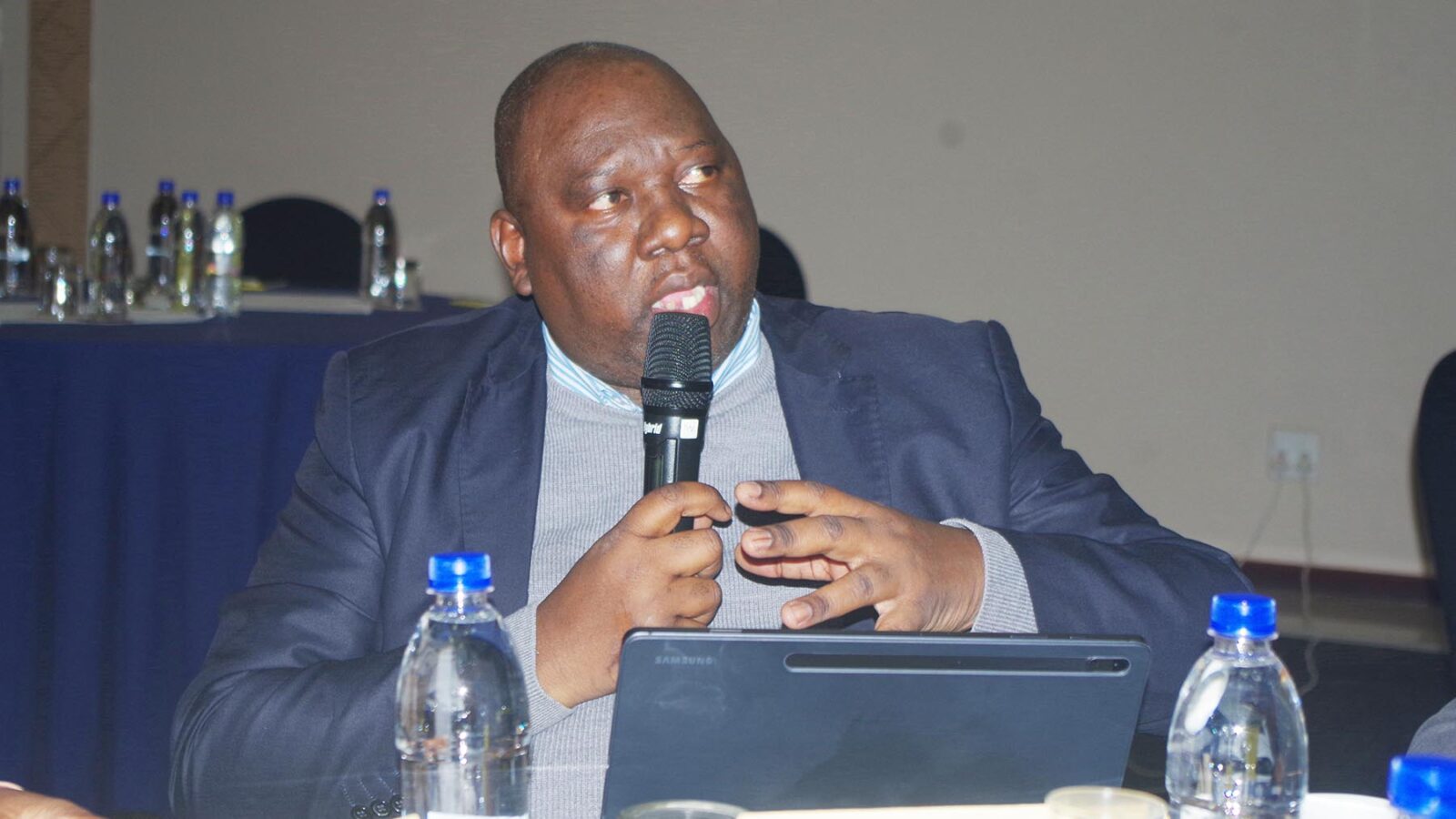
BUFE Operations Manager Mangaliso Maseko said the latest increase would have a ‘significant negative impact’ on MSMEs, where energy costs remain a major input expense.
“The approved 13.61 per cent for 2026/2027 by ESERA will have a significant negative impact on micro, small and medium enterprises (MSMEs), ensuring that energy costs will remain a high-pressure factor for MSME sustainability in the medium term,” said Maseko.
He noted that the continued escalation of electricity tariffs is forcing small businesses into difficult decisions: Either absorb higher operational costs at the expense of profitability or pass the burden on to already constrained consumers.
According to BUFE, the most immediate consequence of the tariff hike will be reduced profitability and strained cash flow among small businesses.
Energy-intensive sectors such as manufacturing, agriculture and retail are expected to feel the greatest impact.
For agro-processors, cold storage facilities and small manufacturers, electricity is not a discretionary cost, but a core production input.
*…
Solar shifts from option to necessity
MBABANE – One of the most notable structural shifts, according to BUFE, is the accelerated move towards alternative energy solutions, particularly solar photovoltaic (PV) systems.
BUFE Operations Manager Mangaliso Maseko observed that high and recurring tariff increases are transforming solar investment from a resilience strategy against load shedding into a financial necessity for long-term cost control.
“The high tariff increases are accelerating the necessity for MSMEs to invest in alternative energy solutions like solar,” he said.
However, the transition is not without challenges.
While solar systems offer long-term savings and greater energy security, the upfront capital requirements remain a major barrier for many small businesses.
Installation of PV systems and battery backup infrastructure demands significant initial investment, funds that many MSMEs simply do not have.
This creates a two-tier business environment, where firms with access to capital can insulate themselves from rising tariffs, while smaller, under-capitalised enterprises remain exposed.
In response to rising costs, MSMEs are increasingly focusing on energy efficiency and demand management.
BUFE reports that businesses are investing in LED lighting, energy-efficient machinery and optimising operational hours to avoid peak-tariff periods.
“Energy efficiency and demand management have become key survival strategies,” Maseko noted.
*Full article available on Pressreader*












Leave a comment