

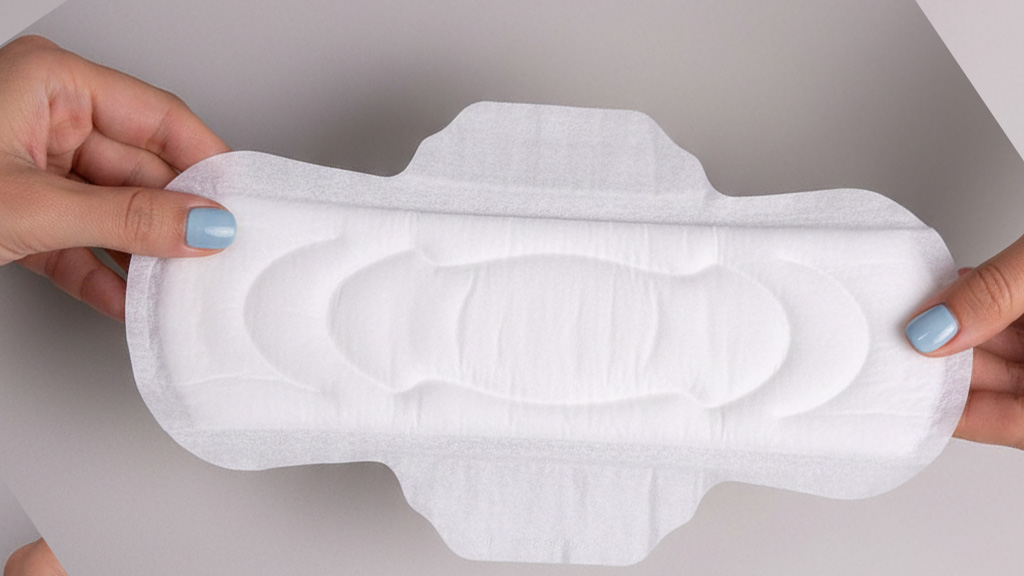
MBABANE – A recent study conducted by researchers at the University of the Free State (UFS) in South Africa has sparked widespread outrage and anxiety among women, not only across the border but locally as well.
The study, published in the scientific journal Science of the Total Environment, found that menstrual products used by millions of women may contain hormone-disrupting chemicals – even when marketed as being ‘free from harmful chemicals’. The findings have triggered alarm among consumers who say they feel betrayed and worried about the potential long-term health effects.
According to the research team, every sanitary pad and pantyliner tested contained at least two endocrine-disrupting chemicals (EDCs). The study analysed 16 brands of sanitary pads and eight types of pantyliners commonly sold in South African retail stores.
The chemicals identified include phthalates, bisphenols (including BPA), and parabens – substances that have been associated in various studies with hormonal imbalances, fertility problems, endometriosis and certain types of cancer.
Bisphenols were detected in 100 per cent of sanitary pads tested and 75 per cent of pantyliners. Parabens were found in more than 81 per cent of pads and 75 per cent of liners. Phthalates were present in all pantyliners and in half of the sanitary pads tested.
The research was conducted by a UFS team that included Janine Blignaut, a PhD candidate, Dr Gabre Kemp from the Department of Microbiology and Biochemistry, and Professor Deon Visser, Head of the Department of Chemistry, among others.
“Our study highlights a concerning reality regarding the safety of menstrual products,” Prof Visser said. “Many sanitary pads and liners contain hormone-disrupting chemicals, even when they are marketed as being ‘free from harmful chemicals’.”
Researchers explained that the chemicals are not always deliberately added to products but may migrate from plastics, adhesives and other materials used during manufacturing. The heat-pressing process, they noted, can cause these chemicals to move into the top layer of the product that comes into direct contact with the skin.
While the levels detected in individual products may appear small, the study emphasised that the real concern lies in repeated exposure over time. Menstrual products come into contact with mucosal tissue, which absorbs chemicals more readily than normal skin. Most women use such products monthly over several decades, raising fears about cumulative exposure.
The findings have reverberated beyond South Africa’s borders. In Eswatini, women expressed shock and distress, saying the study has left them feeling anxious about products they have trusted for years.
Some emaSwati women said they felt there were limited safe and affordable alternatives available locally. Others questioned whether similar testing had ever been conducted in Eswatini and called for local authorities to investigate.
The study also highlighted regulatory gaps in South Africa. According to Prof Visser, existing standards such as SANS 1043 focus on microbiological safety and absorbency, but do not test for the types of chemicals identified in the research. Furthermore, manufacturers are generally not required to disclose the full chemical composition of menstrual products.
“We do believe that manufacturers should disclose all chemicals in their products, even if they fall below daily limits,” Prof Visser said.
He advised consumers to look for products certified under OEKO-TEX Standard 100, an international certification system that tests for harmful substances, or to consider reusable sanitary towels as an alternative.
The research forms part of a broader UFS initiative addressing menstrual health and access. The interdisciplinary team is also developing a reusable sanitary pad with antimicrobial properties aimed at improving safety and sustainability.
However, for many women in Eswatini, the immediate reaction has been one of fear and frustration.
Mukelo Sifundza said she felt ‘angry and powerless’ after learning about the findings. “We use these products every month without thinking twice because we trust that they are safe. Now we are being told they may contain chemicals that can affect our hormones. That is frightening,” she said.
Another, Msizi Dlamini, expressed concern about long-term health implications. “As women, we already face so many reproductive health challenges. To think that something as basic as a sanitary pad could contribute to problems like infertility or cancer is deeply worrying. We need answers and we need transparency,” she said.
Kile Mazalankosi highlighted the lack of alternatives for low-income women. “Reusable products sound like a solution, but not everyone can afford them upfront. Some girls struggle to buy basic pads as it is. If these products are unsafe, what options do we really have?” she asked.



















Leave a comment