

After four years of collaboration (2022–2025), Taiwan and Eswatini have achieved remarkable outcomes under Phase I of the aquaculture development programme, laying a solid foundation for the country’s fisheries industry.
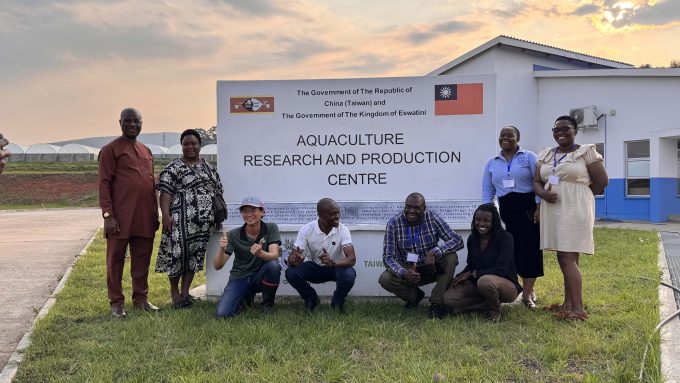
The two sides jointly established the nation’s first aquaculture research and production centre at the Malkerns Agricultural Research Station, which now serves as a key hub for fingerling production, technology development and human capacity building.
Under the guidance of the Taiwan Technical Mission (TTM), the centre has significantly increased fish production in Eswatini through the introduction and successful implementation of cage culture technology.
This modern method of rearing fish in floating cages installed in natural water bodies has proven to be an efficient and practical solution for expanding local food production and strengthening national food security.
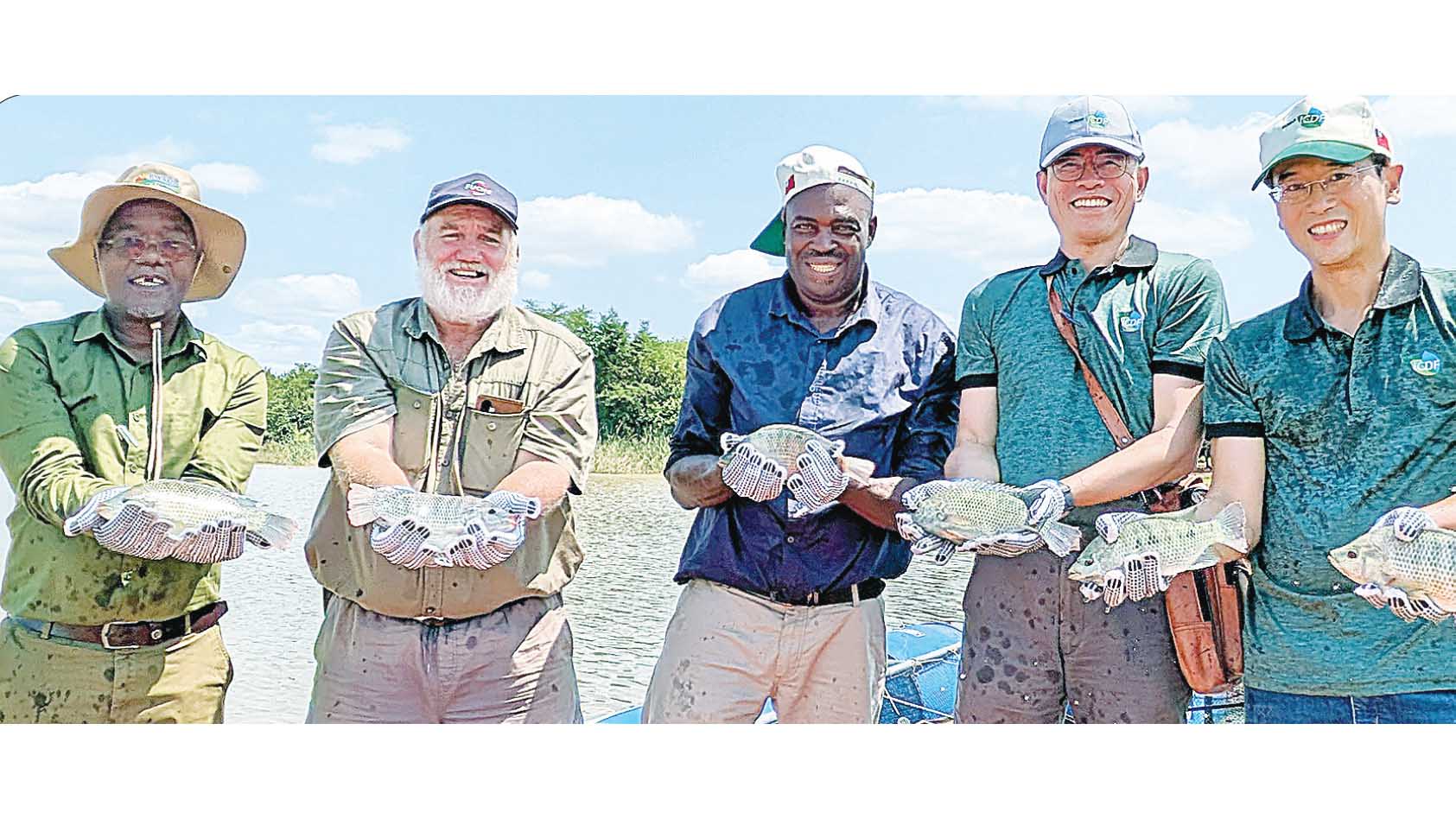
Present at the recent activities were the TTM Chief, Mars Shiue, Acting Deputy Director of Agricultural Extension Louis Kuhlase, Chief Research Officer and Senior Agricultural Officer Boy Mavuso, Project Manager Samuel Liu and Lubovane farmer Micheal Forbes.
The project manager noted that Phase I has produced more than 450 000 high-quality fingerlings, benefitting 125 fish farmers nationwide while also supporting reservoir stocking and river restocking initiatives. Through selective breeding of tilapia, the grow-out period has been successfully shortened from 10 months to five months, significantly improving productivity and profitability.
Beyond the core species, the centre is also conducting breeding trials on a variety of aquatic species, including freshwater crayfish, largemouth bass, African catfish and the protected species orange-breasted tilapia (Chetia brevis), demonstrating the diversity and long-term potential of the aquaculture sector.
By ensuring a stable supply of quality fingerlings, delivering technical assistance and introducing standard operating procedures (SOPs), the programme has markedly enhanced farmers’ skills and production performance.
Eswatini’s aquaculture industry is steadily transforming from subsistence practices towards market-oriented commercial production. In addition, the development of locally-formulated low-cost feed has reduced reliance on imports, while the promotion of cage culture technology has increased water-use efficiency and yield per unit area, creating a strong basis for industrial upgrading.
Looking ahead to Phase II
Building on these achievements, Phase II of the aquaculture cooperation programme (2026–2029) will continue to utilise the research and production centre as a national platform. The new phase aims to further expand technology dissemination and industry support, assist farmers in transitioning from household-level production to commercial operations and promote reservoir cage farming and irrigation-canal aquaculture models.
At Lubovane Dam, the first harvest from trial cage culture was completed this month. After five months of rearing, total production reached 150 kilogrammes, with an average body weight of around 300 grammes. Forbes, the farm owner, celebrated his harvest with both partners and the good moments were celebrated.
Despite challenges such as tigerfish predation, strong winds that deformed cages and temporary low-oxygen conditions, the team strengthened cage materials, added outer protective nets, and conducted regular diving inspections, gradually overcoming these difficulties.
Three cages remain in operation and will be harvested in the coming months. Stocking density is expected to increase in the future to further raise output. Officials believe that the continued expansion of cage culture across suitable dams and water bodies in Eswatini could significantly reduce reliance on imported fish while creating employment opportunities for local communities.
Kuhlase emphasised the importance of the initiative, stating: “Aquaculture development is critical to strengthening food and nutrition security in Eswatini. Through our partnership with TTM, we are committed to ensuring that the country has a consistent supply of fresh fish and a dependable source of protein.”
Meanwhile, in large reservoirs around Malkerns, two farmers have installed two and six cages under the guidance of the technical mission. Harvests are expected to begin after April. Without tigerfish interference, conditions in these sites are considered more stable for production.
The centre plays a crucial role in processing fish. The fish is collected from the farmers and transported to the centre, where it undergoes proper handling and hygienic processing. At the facility, the gills, intestines and scales are carefully removed.
The fish is then thoroughly washed, properly packed and frozen under controlled conditions before being prepared for the market.
Processing and cleaning the fish before storage helps maintain its freshness and quality. Removing the gills and intestines prevents rapid spoilage, as these parts contain bacteria and enzymes that can quickly degrade the fish.
Cleaning also reduces unpleasant odors, improves appearance and enhances food safety. Proper washing removes blood, dirt and contaminants, while freezing preserves nutrients, texture and taste.
















Leave a comment