

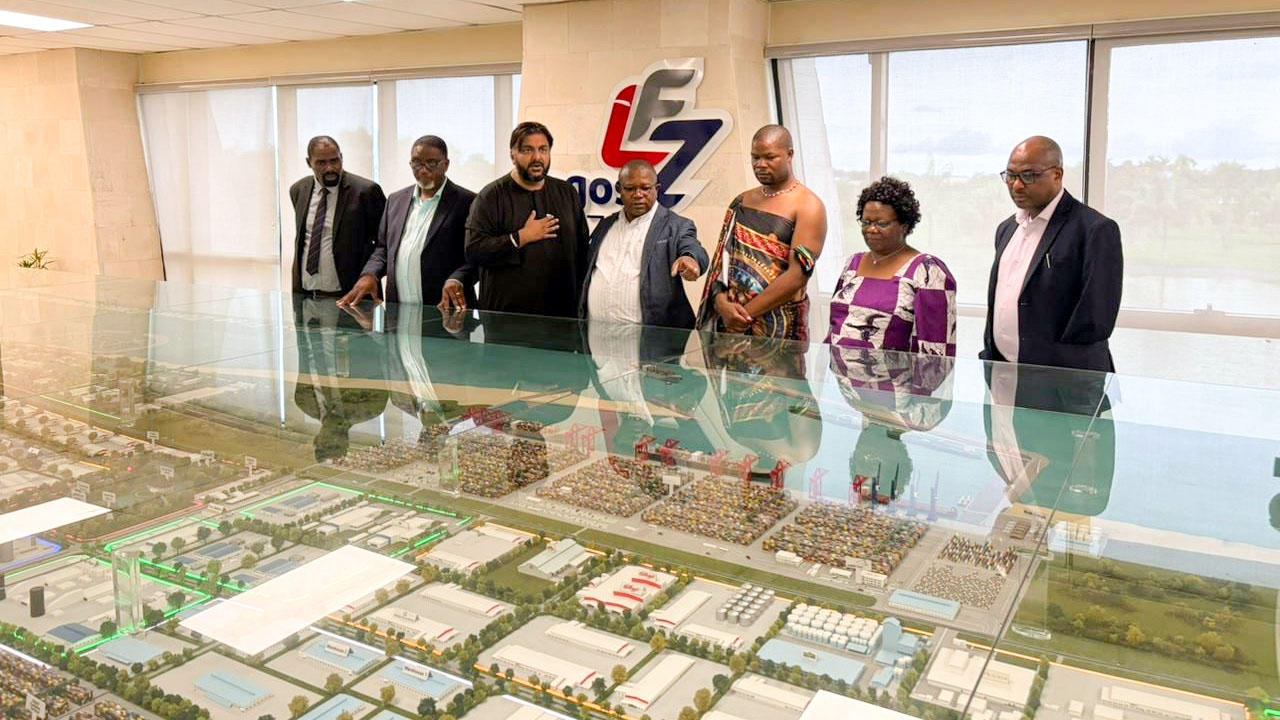
MBABANE – As Eswatini advances its Special Economic Zones agenda, the African Development Bank says future success will depend on integration, innovation, regional value chains and inclusive growth.
The continental lender’s warning comes in the African Development Bank’s Africa Industrialisation Index 2025 Report, which argues that many African countries have embraced SEZs as a key industrial policy tool, but have often struggled to unlock their full developmental potential due to weak linkages with domestic economies, insufficient integration into regional value chains and governance shortcomings.
For Eswatini, the findings are particularly relevant. The kingdom has long pinned hopes on the Royal Science and Technology Park and the King Mswati III International Airport precinct as catalysts for investment attraction, export growth, industrial diversification and job creation.
However, the AfDB says the next generation of African SEZs must move beyond the traditional ‘enclave model’ and become integrated ecosystems that support innovation, industrial upgrading and inclusive economic growth.
“Going forward, maximising the developmental impact of SEZs will require a shift from enclave-based models towards more integrated and strategic approaches,” the report states.
*…
Why Africa is betting on SEZs
MBABANE – The AfDB notes that Special Economic Zones (SEZs)have become one of the most popular industrial policy tools in developing economies worldwide.
SEZs are designated geographic areas where businesses operate under different regulatory, fiscal and administrative conditions than those applicable in the rest of the country. These incentives often include tax breaks, simplified customs procedures, improved infrastructure and streamlined investment regulations.
The bank says governments use SEZs to attract foreign direct investment (FDI), expand exports, create jobs and test new economic reforms before implementing them nationally.
Across Africa, the popularity of SEZs has surged dramatically.
The report reveals that the number of legally established SEZs on the continent increased from around 20 in 1990 to approximately 230 zones spread across 43 African countries by 2025.
Countries such as Mauritius, Morocco and South Africa are cited as examples where SEZ programmes have achieved notable success, while many other zones remain underdeveloped or underutilised.
The AfDB acknowledges that African SEZs have contributed positively to export growth and the production of more sophisticated manufactured goods. However, it says their broader developmental impact has often been constrained because many operate as isolated export-oriented enclaves with limited connections to local suppliers and domestic industries.
*Full article available on Pressreader*


















Leave a comment