

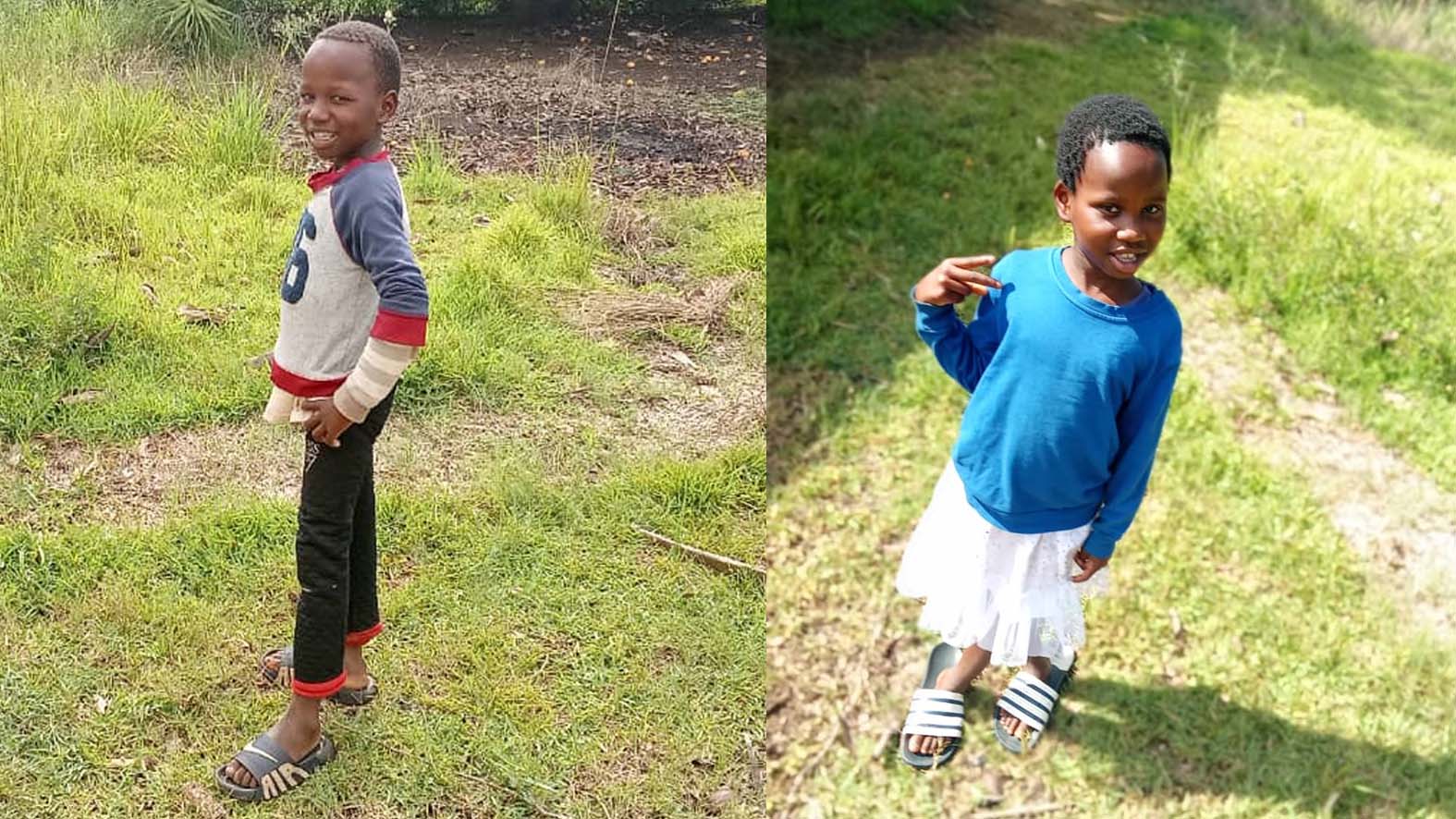
LOMAHASHA – Long before the nation learnt of the deaths of Cedusizi (11) and Phumlile Shabangu (8), there were reportedly fears within the family about the children’s safety.
These are the children who were killed by their father Musa Maphoba Sicwangulane Shabangu (44), who is also said to have later committed suicide.
There were allegations of conflict between the children’s parents. There are also claims that the children’s mother had left the family home, with reports suggesting that relatives had, at one stage, sought to keep the children away from the situation. The police were still investigating these allegations at the time of compiling this article.
However, the Executive Director of the Swatini Action Group Against Abuse (SWAGAA), Nonhlanhla Dlamini, said the children could not have died if the police had taken them to a safe house. In the rural areas, she said it has been observed that a violent person usually fights their relatives. “We have seen that in the past,” she said.
She said even the mother of the children had been allegedly subjected to extreme violence such that she still needs counselling.
Dlamini said the alleged abuse was known by the community such that he even burnt her. “What is painful about this is that such a matter was already known. If action was taken, the children would not have died,” she said.
“It is even more painful when a person not only kills themselves, but also kills the children who had a future and many plans,” she said.
SWAGAA, a non-governmental organisation that works to combat abuse, gender-based violence and child protection concerns in Eswatini, is currently providing support to the children’s mother as she copes with the loss.
According to Dlamini, intervention measures could have been implemented to protect the children, even if local resources were limited. “Even if there are no safe houses in Lomahasha, measures could have been taken to ensure the children were safe, including placing them temporarily with relatives,” she said.
However, she said if such places are not safe, action should be taken to put the affected children in a safe house.
She further pointed out that children at risk can also be moved to facilities in other parts of the country if their safety is under threat. “Even if there may be no safe houses for children in Lomahasha, action could have been taken to keep them in places far away, such as Mbabane,” she said.
This gruesome murder was highly publicised on social and traditional media about the death of the two children.
Allegations of domestic conflict, threats and growing concern among relatives have since emerged, raising difficult questions about whether the warning signs were there and whether more could have been done to protect the children.
As police investigations continue, the tragedy has sparked a broader conversation about child protection in Eswatini and whether the systems established to safeguard vulnerable children are working as intended.
While many questions remain unanswered, the circumstances surrounding the deaths have brought renewed attention to the Children’s Protection and Welfare Act, 2012, which was enacted to ensure that children are protected from abuse, neglect, exploitation and all forms of harm.
The Act recognises that children are among the most vulnerable members of society and places their welfare at the centre of decision-making. It further establishes that a child who is exposed to abuse, neglect or circumstances that may place his or her safety and wellbeing at risk may be considered a child in need of care and protection.
The question now being asked is whether the concerns reportedly raised by relatives amounted to warning signs that should have triggered a formal intervention under the country’s child protection framework.
The provisions, particularly under the Children’s Welfare and Protection Act provides for circumstances under which authorities may intervene where a child is believed to be at risk. It also establishes mechanisms for removing children to places of safety where there are reasonable grounds to believe that their welfare is in danger.
There is no doubt according to earlier reports that the matter was reported to various authorities,including the police. It must be said that what is also very clear is that until their time of death, the action that was taken did not protect the children from harm. Instead, the children were handed over to their father while they were at a relative’s home.
*Full article available on Pressreader*















Leave a comment