

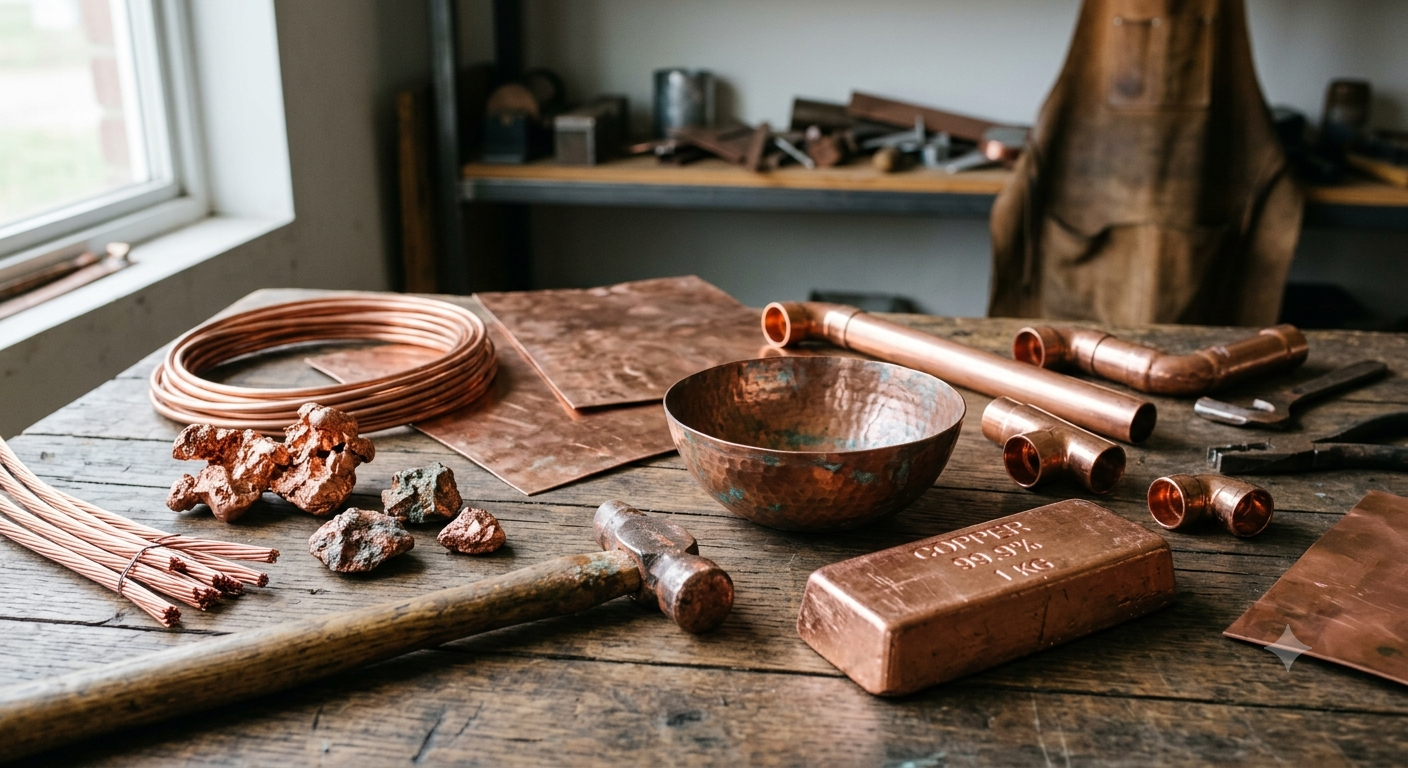
MBABANE – Eswatini has positioned itself to capitalise on a global export market for aluminium and copper cables valued at an estimated E4.3 trillion, following the unveiling of the new Eswatini Quantum Works (Pty) Ltd.
The company, which originates from Turkmenistan, is set to invest over E600 million in a state-of-the-art manufacturing facility at the Royal Science and Technology Park (RSTP) in Nokwane. The project, officially commissioned yesterday, is expected to create approximately 200 jobs and marks a significant milestone in the country’s efforts to attract foreign direct investment (FDI).
This strategic move places Eswatini at the heart of a booming industry. According to global aluminium cables and conductors market size analysis by the CMI Team, the market is expected to record a Compound Annual Growth Rate (CAGR) of 4.5 per cent from 2025 to 2034.
The CAGR is a vital metric used to measure the annualised average rate of revenue growth over multiple years, smoothing out volatility to allow for a fair comparison of long-term performance. In 2025 alone, the market size for aluminium cable is projected to reach a valuation of E815 billion (USD 45.3 Billion), rising to an anticipated E1.2 trillion (USD 70.1 billion) by 2034.
Simultaneously, the global copper wire and cable market presents an equally lucrative opportunity. Currently valued at approximately E3.5 trillion ($198.6 billion), it is projected to surpass E5.8 trillion ($324 billion) by 2032, growing at a CAGR of about 8.6 per cent.
Industry experts attribute the accelerated growth in the aluminium sector to rapidly increasing power consumption, the integration of renewable energy sources and widespread infrastructure modernisation. Government-funded initiatives, such as rural electrification programmes and smart grid investments, are further facilitating increased consumption. Furthermore, the push for sustainability, urbanisation, and the need for energy-efficient, lightweight and cost-effective conductors continue to drive adoption rates.
Why Aluminium?
Aluminium has become the industry standard for transporting electricity safely and economically across vast networks due to its cost-effectiveness and weight and it is roughly one-third the weight of copper. Nexal Aluminum Inc. highlights that aluminium’s unique properties make it ideal for transmission lines, vehicle panelling and building cladding.
Beyond being lightweight yet strong, aluminium is said to be possessing a natural resistance to corrosion. When exposed to oxidising elements, it generates a thin protective coating.
It is also an excellent conductor of electricity and heat, favoured for power lines, computer motherboards, and LED lights. Its flexibility, reflectivity and 100 per cent recyclability further enhance its appeal as a sustainable material.
Our research indicates that the primary demand for these cables comes from countries with massive, expanding electrical grids and significant renewable energy investments.
According to Custom Market Insights, the Asia Pacific region is the largest and fastest-growing market, led by China and India due to mass rural electrification and smart grid modernisation.
Vietnam, Indonesia, South Korea and Japan also show robust demand. Meanwhile, the Times of Eswatini’s research has shown that North America, particularly the United States, stands as the world’s largest importer of aluminium wire, driven by the integration of solar and wind farms and the urgent need to modernise aging infrastructure.
It must be said, therefore, that Eswatini Quantum Works aims to service this immense global demand by manufacturing both aluminium and copper cables. While aluminium is preferred for power transmission, copper remains the global standard for transmitting data signals and powering homes and industrial equipment due to its exceptional conductivity and durability.
Because copper offers exceptional electrical conductivity, flexibility and durability, Anderson, founded on October 17, 1988, by Phillip Anderson, says copper cables serves as the global standard for routing local internet and telecommunication networks.
A Royal Initiative
The handover of the construction site at Nokwane was presided over by the Minister of Commerce, Industry and Trade, Manqoba Khumalo, who joined stakeholders to commission the project under the Special Economic Zone (SEZ).
Minister Khumalo described the occasion as a landmark moment, resulting from engagements initiated by His Majesty King Mswati III during his visit to Turkmenistan in 2024.
“This investment by Aydyn Gijeler of Turkmenistan sends a strong signal of the country’s readiness to host a diverse range of investments,” Khumalo said. “It reinforces confidence in Eswatini as an attractive investment destination.”
The minister noted that this launch represents the first phase of a multi-phased project by Quantum Works.













Leave a comment