

As winter approaches, it’s essential to ensure your home is comfortably heated while prioritising safety.
While there are various heating methods available, it’s important to understand that not all are equally safe. Some can pose significant risks, including fire hazards that can lead to catastrophic events. In this article, we will explore the importance of choosing a safe heating method for your home and provide an overview of five common options, ranging from the safest to the most potentially dangerous.
Why you need a safe heating method for your home:
1. Prevent fire hazards: The safety of your household is paramount and using a safe heating method minimises the risk of fire hazards. Unsafe heaters, such as those that have not been maintained or are incompatible with your living environment, can lead to devastating consequences.
2. Protect against carbon monoxide poisoning: Certain heating methods, such as gas heaters and fireplaces, carry the risk of carbon monoxide poisoning if not properly maintained or ventilated. Carbon monoxide is a colourless, odourless gas that can be deadly if inhaled in high concentrations. Choosing a heating method with built-in safety features, such as oxygen depletion sensors or proper ventilation, significantly reduces the risk of carbon monoxide poisoning.
3. Maintain indoor air quality: Some heating methods, particularly those involving combustion, can negatively impact indoor air quality. Improperly vented or poorly maintained heating appliances can release pollutants into the air, leading to respiratory issues and exacerbating allergies or asthma.
Overview of heating methods (from safest to most dangerous):
Air conditioning:
While air conditioning is primarily used for cooling, modern units often include heating functions. It is considered one of the safest heating methods as it does not involve open flames or fuel combustion. It relies on electricity to generate heat, making it a reliable and relatively low-risk option.
Pros: Provides both cooling and heating functions, energy-efficient and widely available.
Cons: Can be expensive to operate in colder climates and electric-powered models may significantly increase energy bills. Regularly maintain and clean air conditioning units to ensure optimal performance.
Electric space heater:
Electric space heaters are generally safe when used correctly. They are designed with safety features such as tip-over and overheating protection.
However, it’s important to maintain a safe distance from flammable materials and never leave them unattended. Proper usage and adherence to safety guidelines are crucial for minimising risks.
Pros: Portable, easy to use and often equipped with safety features like tip-over and overheating protection.
Cons: Limited heating range, high energy consumption and potential fire hazard if misused or placed near flammable materials. Always keep a safe distance from curtains, furniture or other combustible objects.
Gas heater:
Gas heaters can provide efficient heating, but require careful handling and maintenance. When installed and maintained correctly, they can be safe. However, improper installation or lack of ventilation can lead to carbon monoxide buildup, making them potentially dangerous. Adequate ventilation and regular maintenance, along with carbon monoxide detectors, are essential for safe use.
Pros: Efficient and can provide widespread heating, suitable for larger spaces.
Cons: Requires proper installation, regular maintenance and adequate ventilation to prevent carbon monoxide buildup. Ensure that rooms are well-ventilated and install carbon monoxide detectors.
Fireplace:
Fireplaces can create a cozy ambiance and provide efficient localised heating. However, they require regular maintenance, proper chimney cleaning and adherence to fire safety protocols. Fireplaces can pose a higher risk of fire and emissions if not properly operated or monitored. Using a fireplace screen or glass door and following safety guidelines are critical to minimise potential hazards.
Pros: Offers a traditional and inviting ambiance, efficient heating for specific areas.
Cons: Requires regular chimney cleaning, proper ventilation and adherence to fire safety protocols. Use a fireplace screen or glass door to prevent sparks and embers from escaping.
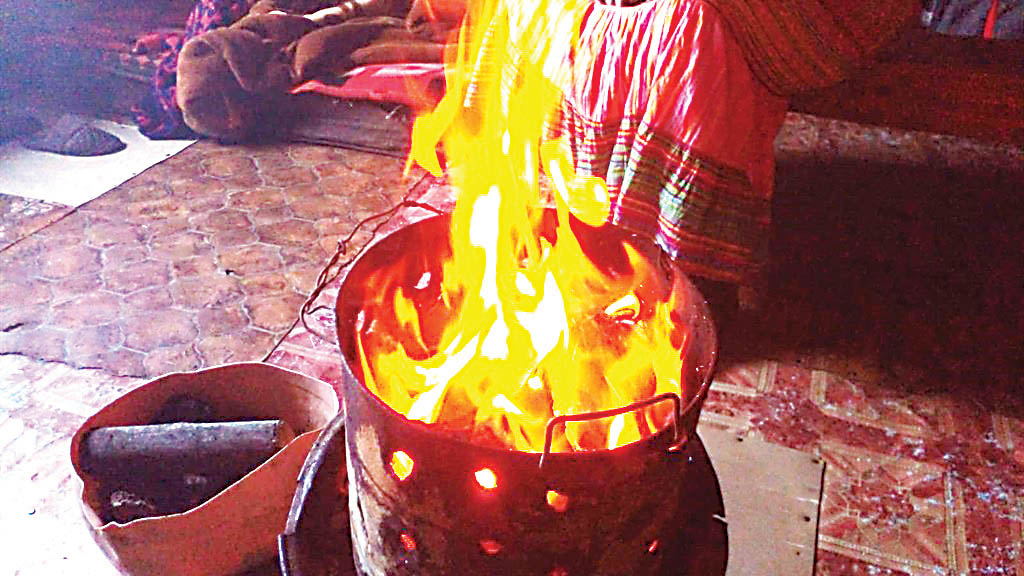
Fire pit/Imbawula:
Fire pits, including timbawula, are outdoor heating options that involve an open flame.
They require constant supervision and strict adherence to fire safety regulations. Fire pits can be the riskiest option due to the potential for fire accidents and the need for careful handling of combustible materials.
It is crucial to follow safety guidelines, keep a fire extinguisher nearby and never leave the fire unattended.
Pros: Creates a cozy outdoor gathering space and provides warmth.
Cons: Fire pits require constant supervision, safe distance from flammable materials and adherence to local fire safety regulations. Keep a fire extinguisher nearby and never leave the fire unattended.
As winter arrives, prioritise safety when selecting a heating method for your home. Choose a safe and appropriate option that suits your needs while minimising fire hazards, carbon monoxide risks and air quality concerns. Remember to follow manufacturer instructions, perform regular maintenance and implement necessary safety precautions to ensure a warm and secure winter season for you and your loved ones.




















Leave a comment