


MBABANE – The International Monetary Fund (IMF) has projected that Eswatini’s economic growth will slow in 2026.
This is reportedly because the country continues to grapple with rising fuel costs, weaker global demand, tighter financing conditions, weather-related disruptions and a slowdown in investment activity.
The projection follows the IMF’s 2026 Article IV Consultation mission, which assessed the country’s economic performance and policy direction. An IMF team, led by Xiangming Li, visited Eswatini from July 23 to August 5, 2026, where it held discussions with government officials, the Central Bank of Eswatini (CBE) and other stakeholders. At the conclusion of the mission, Li said Eswatini’s economy recorded strong growth in 2025, but warned that a more challenging global and domestic environment would weigh on performance this year.
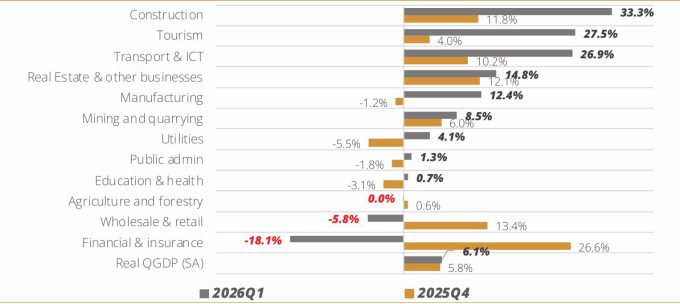
According to the IMF, Eswatini’s real gross domestic product (GDP) growth accelerated to 4.9 per cent in 2025, driven by major public and private sector investment projects.
However, despite the stronger economic expansion, unemployment remained persistently high at 33.5 per cent, highlighting the limited translation of growth into job creation.
The IMF expects growth to moderate during 2026 due to several headwinds, including higher international fuel prices, weaker external demand from trading partners, tighter financial conditions, climate-related disruptions and easing investment activity after the completion of several large projects.
While the growth outlook remains positive, the fund cautioned that the pace of expansion would be significantly lower than that experienced last year.
The IMF noted that inflation eased considerably throughout 2025 and continued declining during the first half of 2026 before edging up to 2.6 per cent in June.
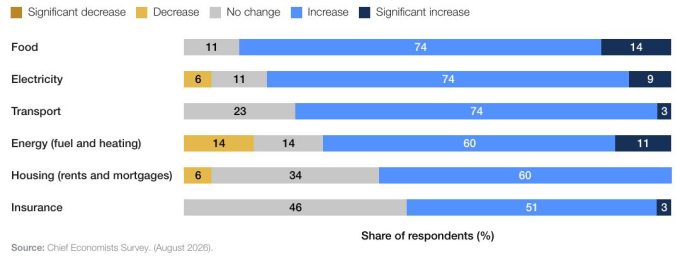
It attributed the anticipated increase in inflation during the remainder of the year mainly to rising fuel prices, which are expected to filter through transport, production and consumer costs.
Although inflation remains relatively low compared to historical levels, the fund warned that imported inflationary pressures could become more pronounced should global geopolitical tensions intensify.


















Leave a comment