

EZULWINI, ROYAL VILLAS – Inkhosikati LaMatsebula hailed His Majesty King Mswati III for his leadership in creating opportunities and advancing women’s participation in Eswatini’s development.
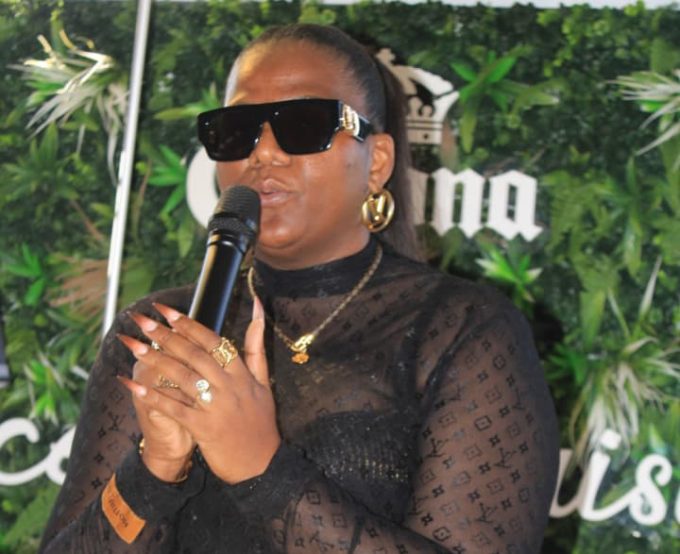
Inkhosikati LaMatsebula made the remarks while delivering the keynote address at the second Annual Women’s Month Thought Leadership Event, hosted by The African Storyteller founder and Managing Director Thuli Phiri.
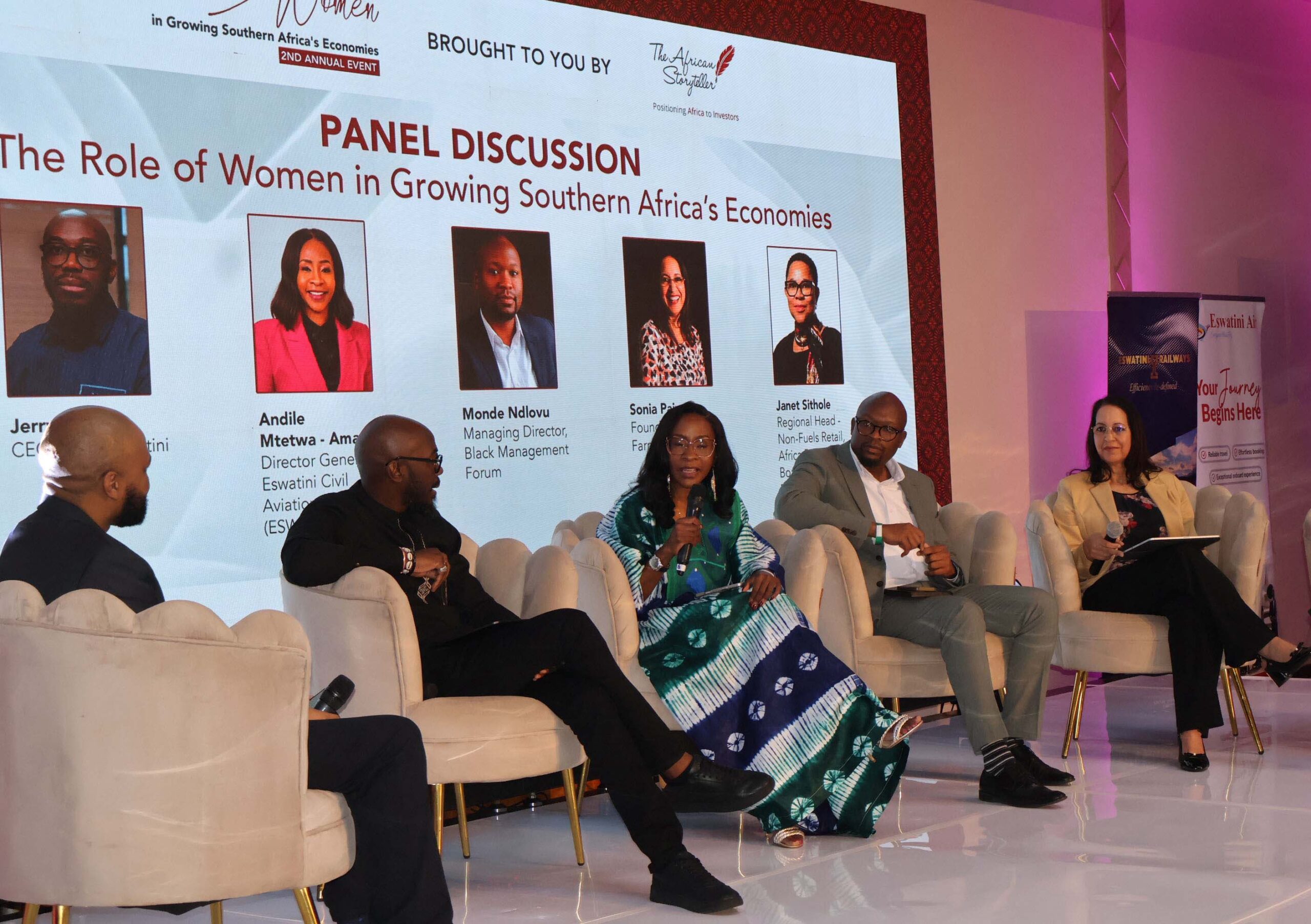
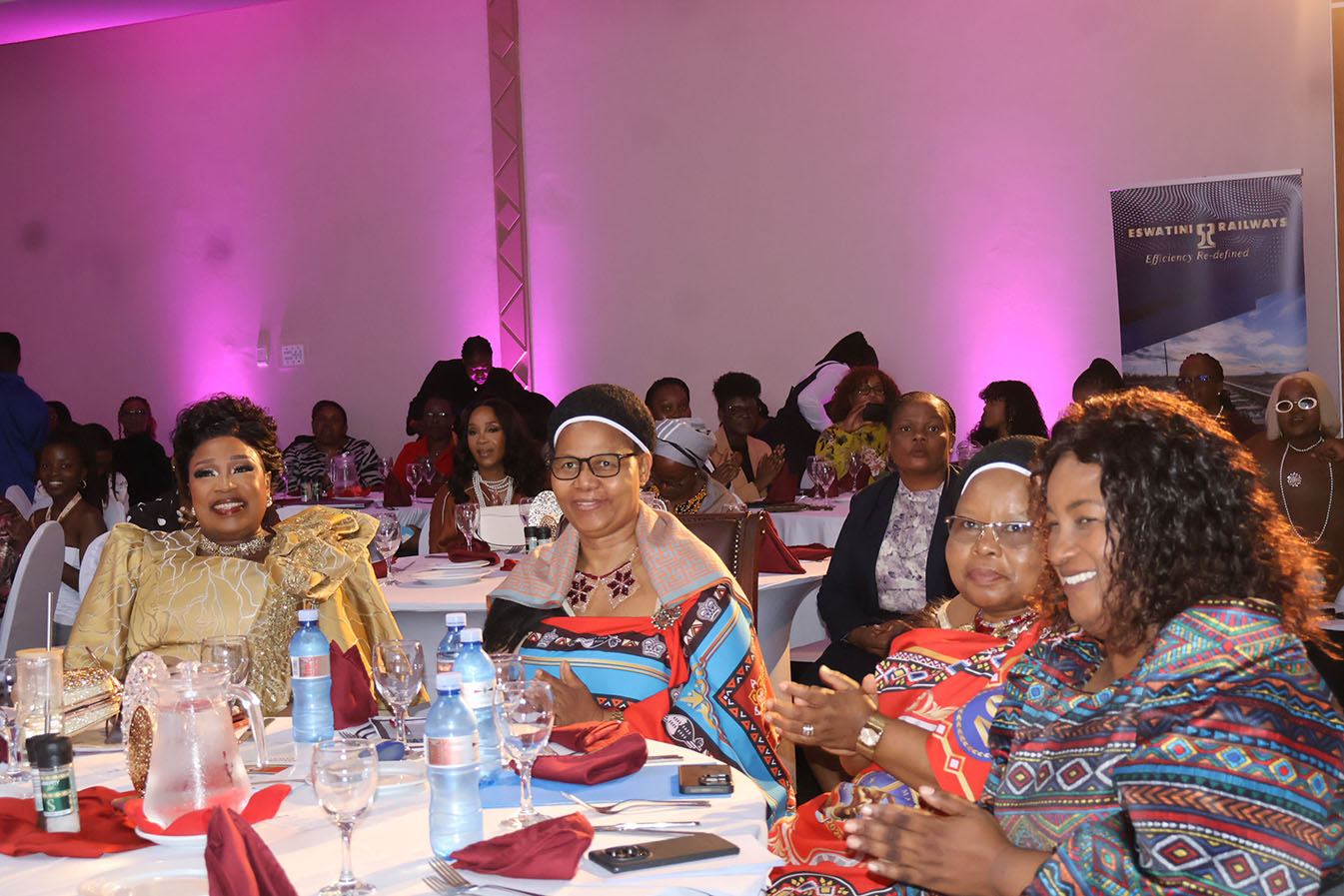
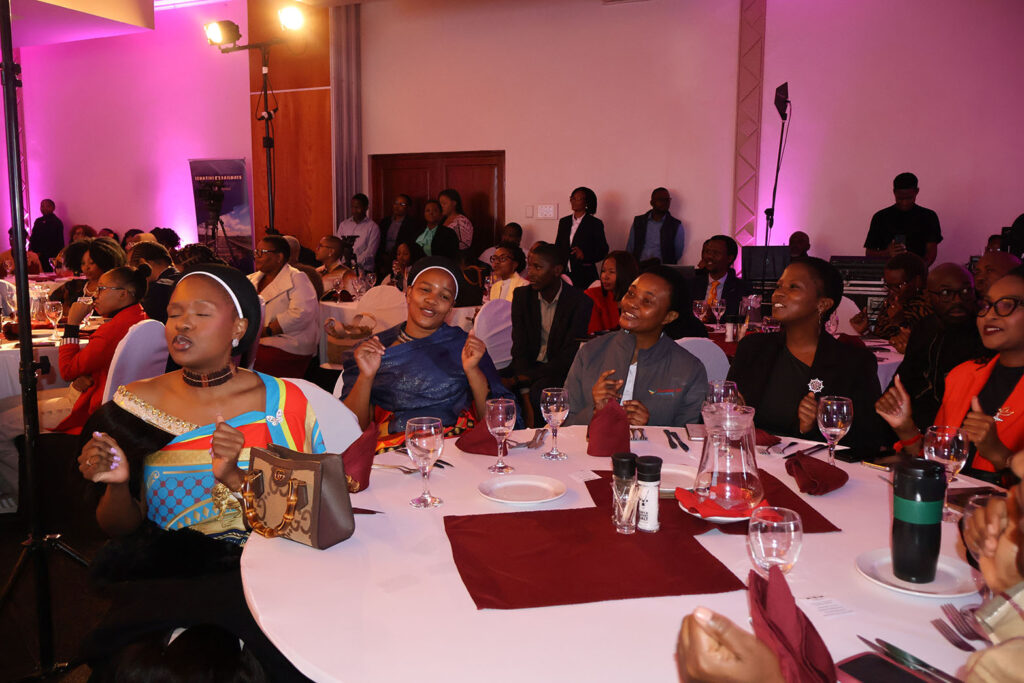
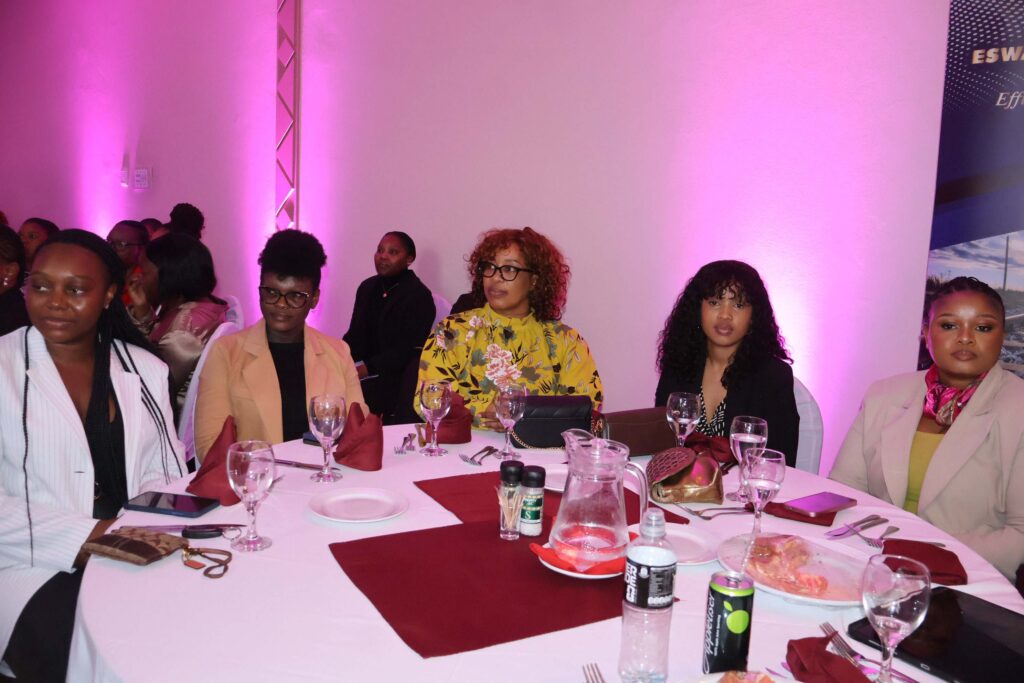
The event, held under the theme ‘The Role of Women in Growing Southern Africa’s Economies’, brought together royalty, cabinet ministers, captains of industry, young women and international guests to deliberate on the contribution of women to economic development in the region.
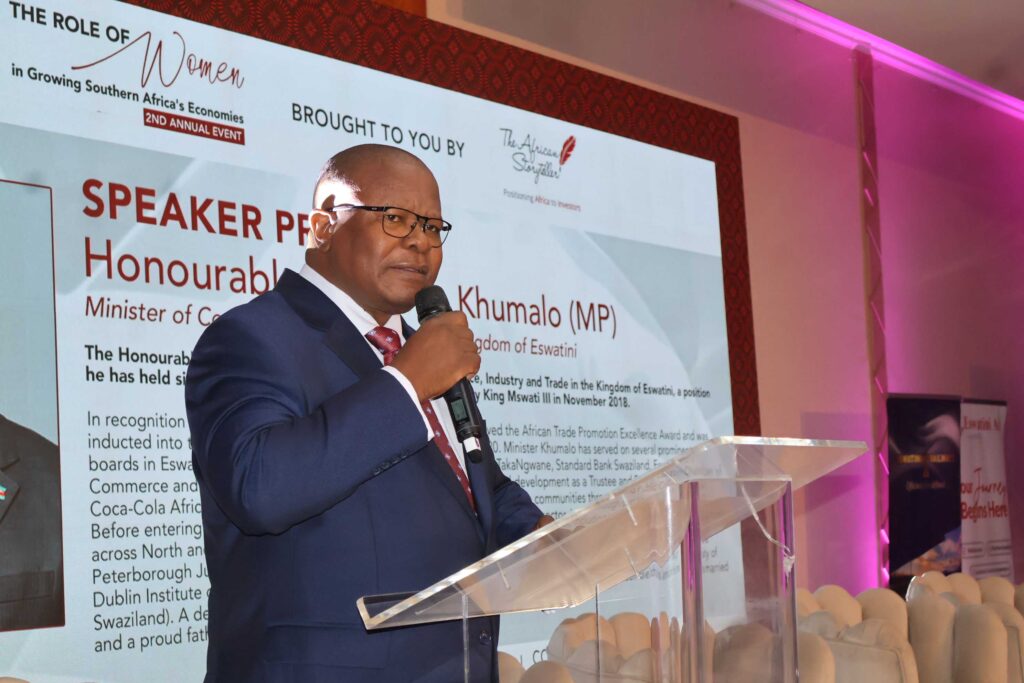
Among those in attendance were Minister for Commerce, Industry and Trade Manqoba Khumalo, Minister for Public Works and Transport Chief Ndlaluhlaza, who was represented by Minister Jane Simelane, Senator Sylvia Mthethwa and representatives from various sectors of the economy.
Speaking during the event, Make LaMatsebula said Eswatini had demonstrated that women could occupy influential positions across different sectors, pointing to the growing number of women occupying key leadership positions in the country.
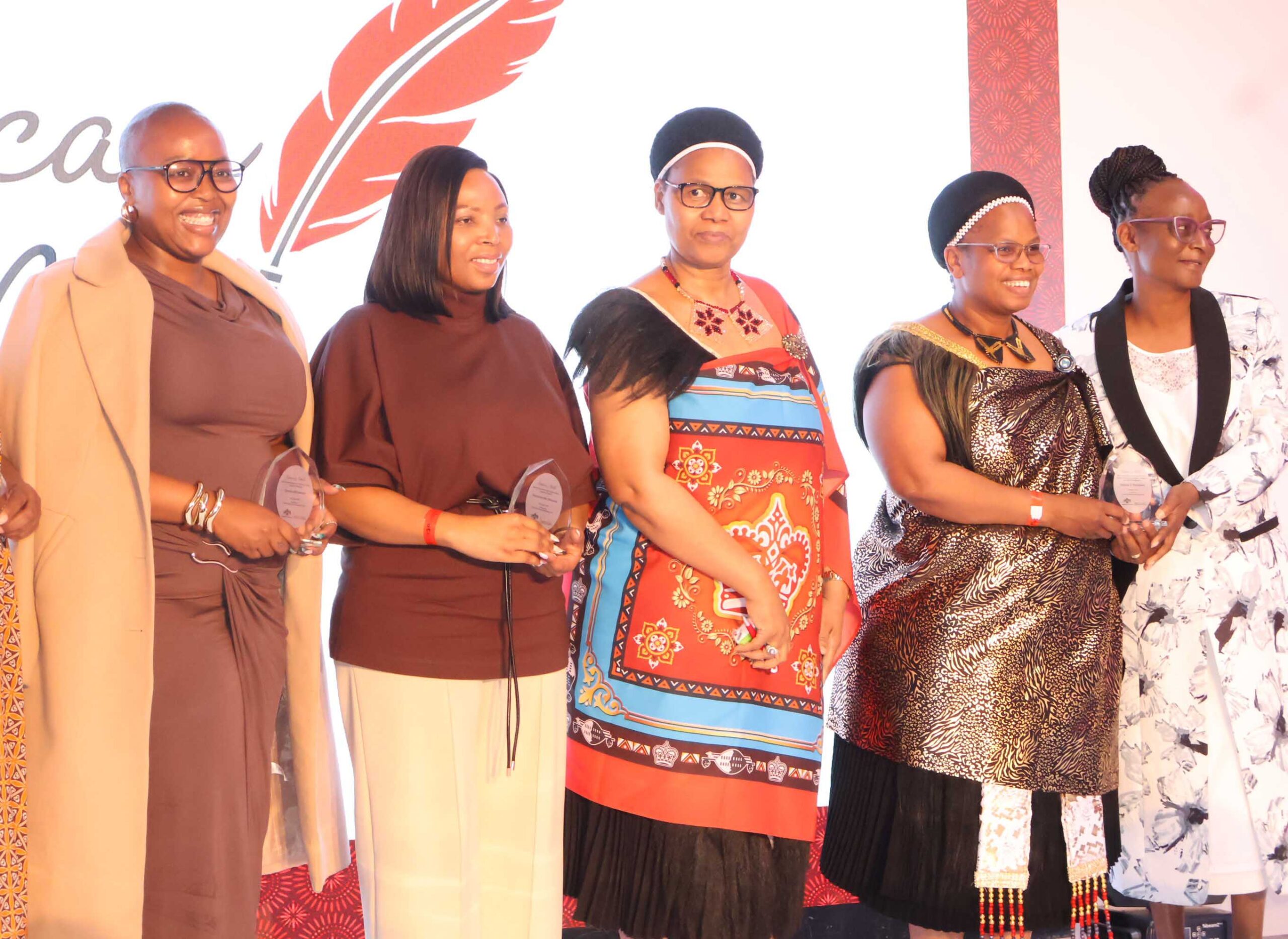
She pointed out that more than 20 women were now occupying key leadership positions, including notable figures within the banking and financial sector. The Inkhosikati said the progress demonstrated the importance of creating an environment where women were able to participate meaningfully in the economy and national decision-making.
Further, she said the contribution of women should not be viewed as a welfare issue, but as an essential component of economic growth. “Women are not beneficiaries of economic growth; women are drivers of economic growth,” she clarified.
She said, supporting women was therefore not an act of charity, but an investment in stronger families, communities, economies and the Southern African region. She mentioned that women were already contributing to economic development as farmers, entrepreneurs, traders, professionals, innovators, employees, employers, investors, educators and leaders.
Their contribution, she said, could be seen in markets, farms, offices, factories, classrooms, boardrooms and homes.
Furthermore, Inkhosikati LaMatsebula stated that women were also responsible for significant work that was often less visible, particularly in raising children, caring for families and preparing the next generation to participate in society. She said the contribution of women began long before they received a salary, registered a business or occupied a corporate position.
The Inkhosikati said the woman raising a child today could be raising a future doctor, engineer, chief executive officer, lawyer, entrepreneur, farmer, teacher, parliamentarian or national leader, much to the applause of the attendees. She therefore called for greater investment in women’s well-being and opportunities, stressing that this would have an impact across generations.
On another note, the Inkhosikati further praised the importance of partnership between women and men in advancing development. Explaining, she said women’s empowerment should not be framed as a contest between the sexes, but as a partnership for the wellbeing of society.
Addressing the men who were present, she said they had a role to play by opening doors, challenging discriminatory practices, mentoring women, supporting women-owned enterprises and ensuring women’s voices were heard in decision-making spaces.
To women, she said they also had a responsibility to support one another by mentoring younger women, recommending capable women for opportunities and creating pathways for others to succeed. She therefore advised them to stop competing destructively with one another and instead build networks of trust and support.
As she neared the end of her speech, the Inkhosikati drew attention to Eswatini’s dual monarchy tradition as an example of partnership, balance and complementary leadership. She said the roles played by His Majesty the King and Her Majesty the Queen Mother demonstrated the value of bringing different responsibilities, perspectives and strengths together in pursuit of a common national purpose.
According to her, that principle should extend beyond the highest levels of leadership to Parliament, public institutions, boardrooms, financial institutions, businesses and workplaces. She underscored that the presence of women in leadership enriched decision-making, while their participation in ownership and economic opportunities helped make growth more inclusive.













Leave a comment