

– Sourced from IOL
DURBAN – The government has spent R292 million on the repatriation of foreign nationals since President Cyril Ramaphosa unveiled his five-point plan to tackle illegal migration, with Home Affairs now seeking reimbursement from Malawi, Nigeria and Ethiopia.
Home Affairs Director-General Tommy Makhode told the Portfolio Committee on Home Affairs on Tuesday that the department had written to the Malawian Government and the embassies of Nigeria and Ethiopia through the Department of International Relations and Cooperation (Dirco), requesting that they reimburse the costs.
“We have also written to the government of Malawi, and of course the embassies of Nigeria and Ethiopia, requesting a reimbursement of this cost through the Department of DIRCO,” Makhode said.
He said the department was awaiting responses from the respective governments. The expenditure follows a sharp escalation in South Africa’s migration tensions after Ramaphosa addressed the nation on June 7, announcing a comprehensive five-point approach to migration management.
The plan followed Cabinet’s approval on June 3 and was aimed at enforcing immigration laws, securing the country’s borders, strengthening the immigration system, closing gaps in migration laws and policies, and working with other African countries.
Ramaphosa said the government would intensify the identification and deportation of undocumented foreign nationals, supported by dedicated immigration courts, while also increasing inspections of employers and strengthening border security.
The government’s migration response unfolded against growing anti-immigration protests, including demonstrations organised by March and March on June 30.
The protests were accompanied by calls for undocumented migrants to leave the country and, in some areas, violence and clashes with police. Thousands of foreign nationals had already left areas where they feared for their safety.
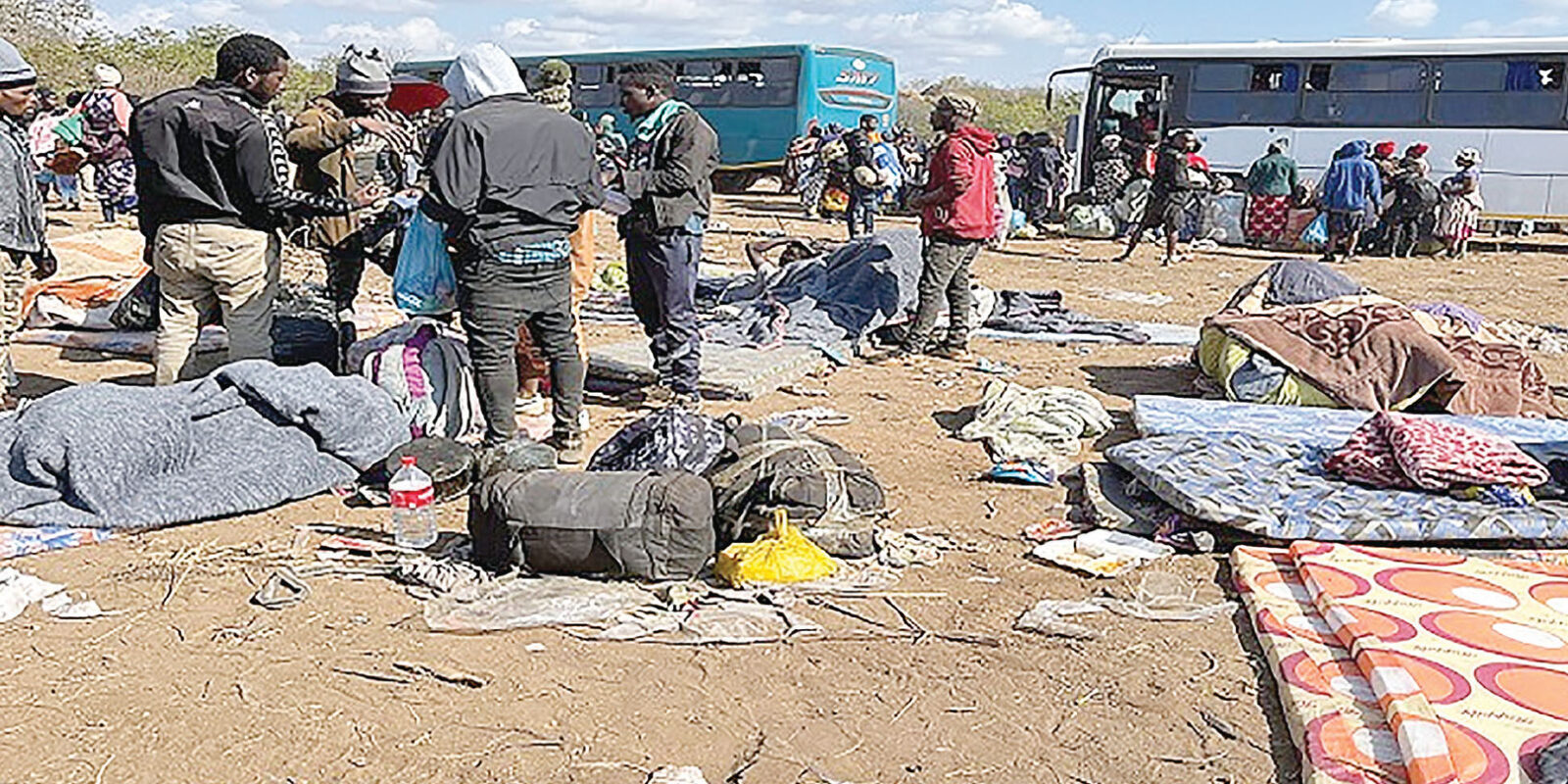
Makhode told MPs that foreign nationals had begun assembling at various sites, including Sherwood Park in Durban, as pressure around migration intensified.
“By the end of June, this situation had become untenable in terms of the numbers, but also the humanitarian emergency that had arisen,” he said.












Leave a comment