

Thehealth story coming out of South Africa this week should make Eswatini pause.
Diabetes has overtaken HIV and tuberculosis to become the country’s leading underlying natural cause of death, according to the latest mortality data from Statistics South Africa.
In 2023, diabetes mellitus accounted for 27 692 deaths, representing 5.8 per cent of all recorded deaths. It was followed by cerebrovascular diseases such as stroke at 5.4 per cent and high blood pressure at 5.2 per cent. TB accounted for 4.2 per cent, while HIV accounted for 4.0 per cent.
The figures are striking not simply because diabetes has moved to the top of the table, but because of what they say about the changing face of disease in our region.
For decades, much of Southern Africa’s public health conversation has understandably centred on HIV and TB. Those battles remain important.
But alongside them, another crisis has been quietly gathering momentum: Noncommunicable diseases driven by a combination of unhealthy diets, physical inactivity, excess weight and inadequate screening. And Eswatini is not watching this from a safe distance.
The World Health Organization (WHO) says noncommunicable diseases already account for about 46 per cent of deaths in Eswatini. The country is facing growing challenges with diabetes, hypertension, obesity and other chronic conditions.
More concerning is what happens when we do not know our numbers.
Eswatini’s 2024 STEPS findings showed that although people are being diagnosed and treated, control remains a challenge. WHO reports that almost 41 per cent of people with diabetes were on treatment, yet nearly half of those receiving treatment were still not adequately controlled.
This is why screening cannot be treated as something reserved for people who are already sick.
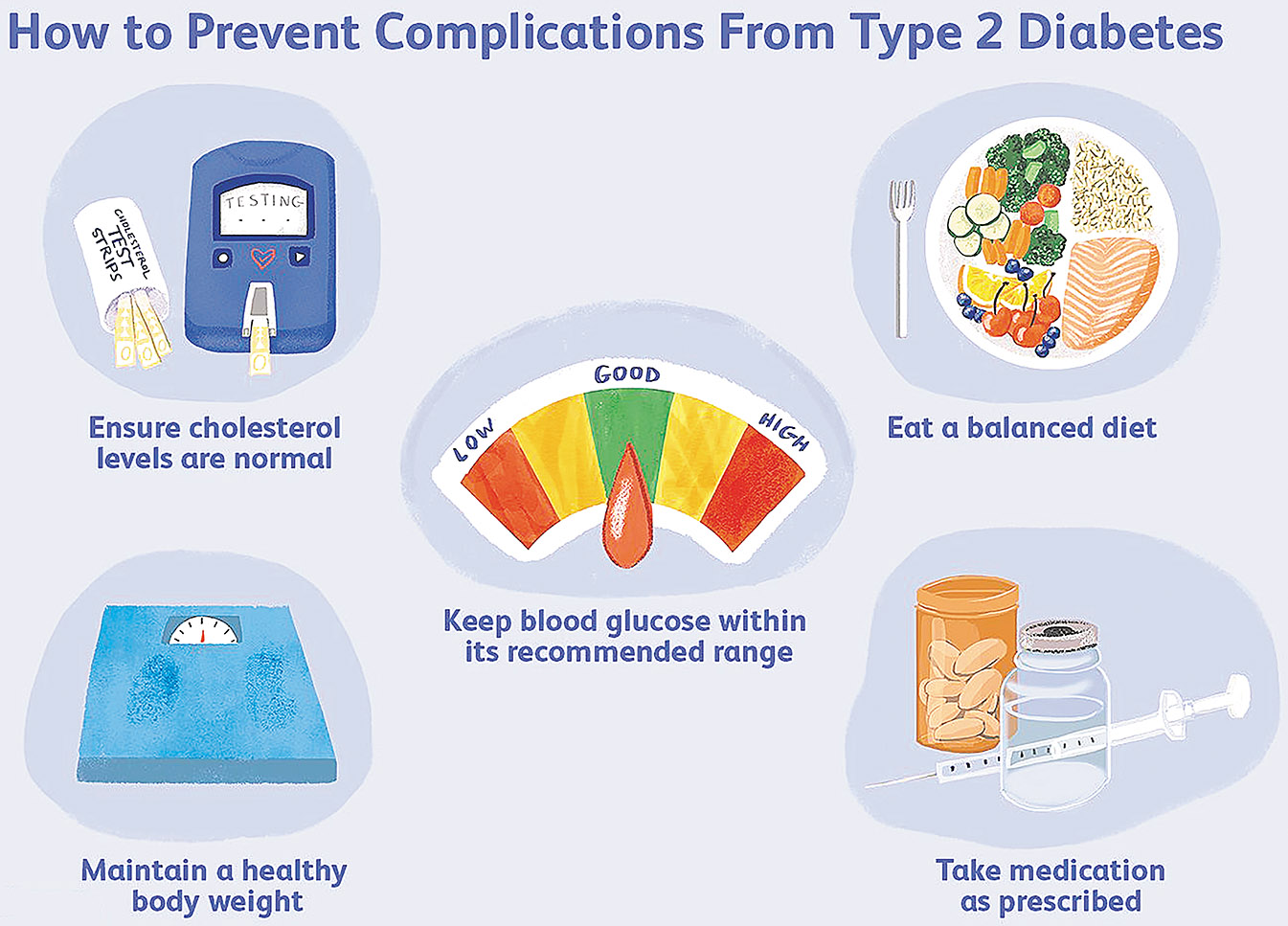
You do not have to wait until you are constantly thirsty, urinating frequently, losing weight unexpectedly or feeling unusually tired before checking your blood glucose. Type 2 diabetes can develop gradually and may remain unnoticed for years, while high blood sugar can damage the heart, kidneys, eyes, nerves and blood vessels.
Then there is the food environment. We have normalised large portions, sugary drinks, highly processed foods and convenience eating while physical activity is increasingly squeezed out by sedentary lifestyles.
The problem is not simply that people lack willpower. The environment around us influences what is affordable, available, advertised and ultimately placed on the dinner table.
This is where the South African warning becomes an Eswatini conversation.
The answer cannot be to frighten people about sugar or blame individuals for every diagnosis. It has to be about making healthier choices easier, strengthening screening at community level and ensuring that diabetes is detected and managed before complications become life threatening.
The good news is that Type 2 diabetes is potentially preventable. WHO identifies unhealthy diets, insufficient physical activity and overweight or obesity among the modifiable risk factors driving noncommunicable diseases.
So perhaps the most important message from South Africa is not that diabetes has become the biggest killer. It is that we have an opportunity to act before Eswatini reaches the same point.


















Leave a comment