

MBABANE – The need to meet monthly bills results in some textile workers offering their bodies for a mere E20.
This is one of the findings of the HIV Prevention Indaba study, which explored barriers and enablers to HIV prevention among different population groups across the country.
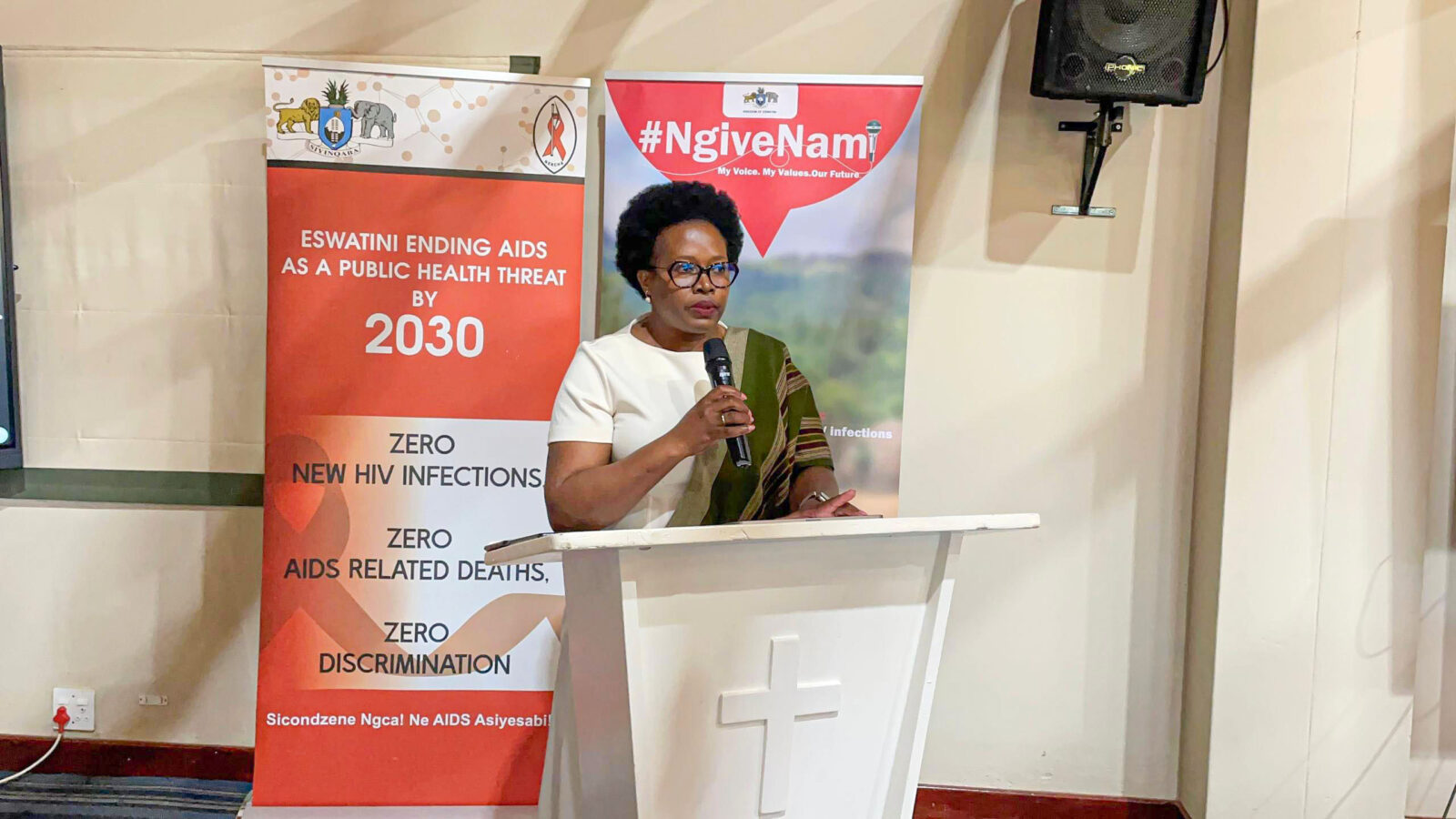
The study was presented to the Editors’ Forum yesterday at Emafini Conference Centre by the National Emergency Response Council on HIV and AIDS (NERCHA).
It was said during the study that some textile workers say their remuneration is very low and does not meet all their needs. They reportedly said at times they become in danger of contracting HIV due to sleeping around.
This, they reportedly said, is because they want money to fulfil their needs.
Among those who were interviewed during the study, one woman recommended an important aspect that government should intervene and ensure that textile firms remunerate their employees better.
“If we may ask the government, where can it increase the money? This is the reality we face. You find us in kombis with conductors who steal E20 from employers and spend it on us. When a conductor tells you, ‘With the E20, let’s go to the forest,’ you are forced to choose between your dignity and survival. You need that E20 for electricity or bread, because if you are absent from work, you do not get paid,” a textile worker reportedly recommended.
For workers who are paid according to attendance, the pressure is compounded by the fear of losing income if they leave work. The study participant described situations where a woman could need even a small amount of money to buy bread or pay for electricity, making an immediate financial offer difficult to refuse.
The issue is not presented by the study as a justification for risky sexual behaviour, but as a structural factor that HIV prevention programmes need to address. The indaba study specifically explored how economic strengthening opportunities affect HIV prevention uptake and examined the drivers of HIV vulnerability among different population groups.
The findings, therefore, point to the need for interventions that go beyond health messaging and address the economic circumstances that can make people vulnerable. This is particularly important against the country’s broader HIV picture.
Among textile young women who participated in the study, low wages and the inability to meet basic household needs emerged as important vulnerabilities. One participant explained that low salaries sometimes left workers at risk of engaging in sexual relationships in exchange for money needed for food and other necessities.
Another participant described the pressure created by small, but immediate financial needs, including transport, electricity and food.
On the other hand, women aged between 24 and 34, reportedly said they engaged in contextual influences for certain practices.
One of the interviewees reportedly said: “No body has forced me into sex, I do it because I am pressured by the need for money. Maybe I want to do something or pay rent. So, I find myself doing bad things and not even using the condom.”
It is said this age group recommended that there was a need to develop and strengthen strategies that can enhance women economically, thereby decreasing their vulnerability to HIV infection.
The study found that Eswatini recorded about 4 220 new HIV infections in 2024, up from approximately 4 000 recorded in the previous impact measurement survey. Young people, adolescent girls and young women (AGYW), as well as key populations, remain among those particularly affected. The findings suggest that HIV prevention cannot be separated from the economic circumstances in which people live and make decisions.
Eswatini’s national HIV prevalence stands at 24.8 per cent, with an estimated 215 527 people living with HIV. The study presentation also records HIV incidence at 0.62 and notes that AIDS-related deaths have declined by more than 50 per cent across age groups.
Despite the progress, the study says critical gaps remain, particularly among women aged 15 to 29 and men aged 25 to 34. HIV incidence has fallen from 1.13 to 0.62, while HIV treatment has increased from 89 per cent to 97 per cent and awareness of HIV status from 87 per cent to 94 per cent.
However, incidence remains high among adolescent girls and young women, with no reduction recorded among women aged 15 to 34.
The study’s findings among textile workers demonstrate why these gaps require a broader response. Participants did not simply identify a lack of HIV knowledge. They pointed to the economic realities that can make prevention difficult.
The study recommends strengthening strategies that economically empower women, specifically identifying economic empowerment as a means of reducing women’s vulnerability to HIV infection.
The same economic theme emerged among other groups.
Sex workers identified unemployment as a major driver of their involvement in sex work, with one participant explaining that having a formal job could reduce the likelihood of accepting money in exchange for unprotected sex.
Women aged 25 to 34 also described money pressures as influencing sexual decisions, including situations where a person needed money to pay rent. One participant said such pressure could result in sex taking place without a condom. The findings reinforce the need for HIV prevention to be linked with employment, income-generation and economic strengthening programmes.
The study’s recommendations call for HIV prevention messages to be integrated into education, economic strengthening, workplace and community development initiatives.
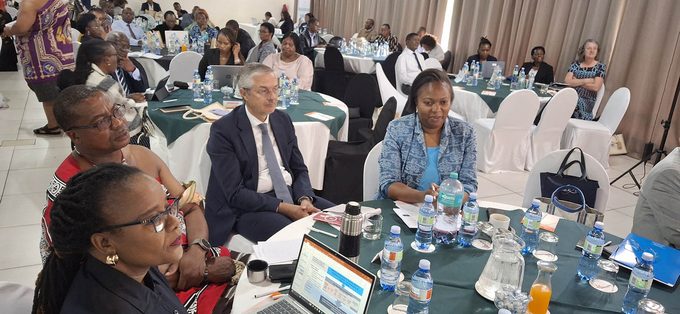
NERCHA convened the Editors’ Forum at Emafini to discuss the latest developments in the HIV response and share findings from the HIV Prevention Indaba Study.
The forum also seeks to strengthen collaboration with the media in promoting positive social and cultural values that support sustainable HIV prevention.
The indaba reached different groups across the four regions, including 10 textile sessions, 15 tertiary sessions and sessions involving youth, transport operators, women, men and key populations. Overall, 133 of the targeted 140 sessions were conducted, representing a 95 per cent reach.
The study’s overall message is that prevention efforts must account for the realities people face every day.
Its recommendations include stronger economic empowerment, youth-friendly services, improved access to prevention, addressing harmful gender norms and increased domestic financing for the HIV response.















Leave a comment