


LUDZIDZINI – Umhlanga has boosted tourism, with international visitor numbers rising and tourism revenue reaching E1 billion, according to Minister Jane Simelane.
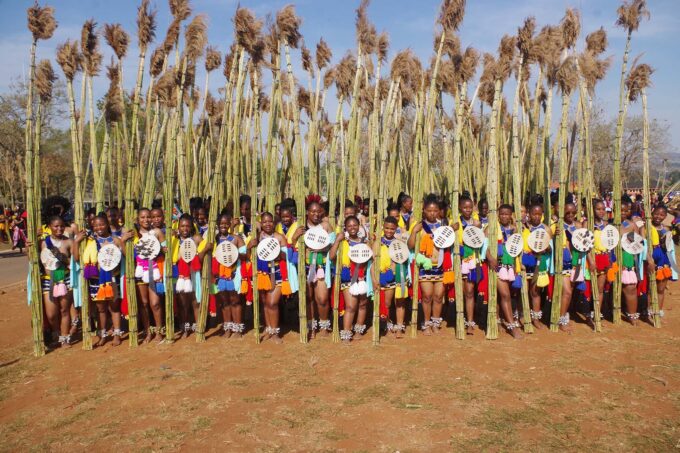
The Minister for Tourism and Environmental Affairs said the annual Reed Dance continued to attract tourists eager to experience Eswatini’s culture and beauty.
“Today we are celebrating the festival, our Reed Dance Ceremony, which is the event that brings us many tourists here to Eswatini,” Simelane said.
She said visitors were drawn to the country to witness its culture, including traditional attire, cuisine and homestead displays.
“Here, we are showcasing how we live as emaSwati. We are thankful for this festival because many tourists have arrived. This means we are hitting our targets,” she said.
Simelane said by the end of December 2025, visitor arrivals had already passed half of the expected number.
“Regarding revenue, we exceeded our target of E2 million by reaching E1 billion. This indicates that tourist numbers are continuously rising,” she said.
The minister said the influx of international visitors was stimulating the domestic economy, particularly benefitting the hospitality sector and local vendors.
The annual Reed Dance Ceremony added to the contributions in tourism made by other festivals and initiatives which include the Easter holidays, Bushfire Festival, Biggest Braai, Luju Festival, Eswatini International Trade Fair and Swazi Rally.
“Furthermore, as we visit around, we observe that hotels are full of people. This means we must continue to elevate our hospitality industry,” she said.
Simelane said the ministry had earlier this year started rating hotels and establishing standards for the hospitality industry.
She also said professional chefs from different African countries had been invited to train local chefs in traditional cooking methods.
Chefs from Nigeria and Ethiopia had participated in culinary exchanges in Eswatini, she said, adding that this reinforced the country’s position as a cultural hub.
“This demonstrates that our country is truly living up to its title as the ‘Pulpit of Africa.’ People are travelling here in large numbers to share knowledge. Eswatini is indeed a destination of choice,” Simelane said.
Meanwhile, the Chairperson of the Southern African Development Community Public Service Commissions (SADC-PSC) Forum, Professor Somadoda Fikeni, says Eswatini’s cultural preservation offers a powerful lesson on maintaining heritage while modernising governance.
Fikeni expressed admiration for the cultural showcase
“We have just completed our work, and we are being treated to this wonderful demonstration of heritage and culture, which is a defining feature that often distinguishes Eswatini from many other countries.
“It shows where we come from, and it is the preservation of it. We have seen other countries, even the most advanced ones like China and India, demonstrate that they can preserve culture and still modernise,” Fikeni said.
He emphasised that witnessing the traditional ceremony served as a timely reminder for public servants across the continent to reconnect with foundational African values.
“We are here today to celebrate just that. It is a reminder of who we are as Africans, and it is also a reminder of what we have lost, especially Ubuntu, that we need to bring back even to our public service,” he added.
Fikeni and fellow delegates attended the cultural ceremony following an invitation extended by His Majesty King Mswati III to the leaders of public service commissions who were gathered in the country.
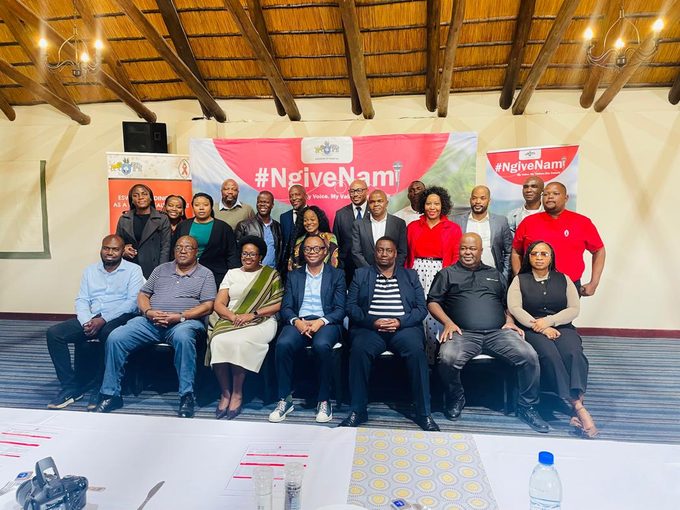
The delegates had been in Ezulwini attending the 3rd Conference and Annual General Meeting of the SADC-PSC Forum from 28 to 30 August 2026.
Held under the theme ‘Accelerating the Transformation of the SADC Region through Resilient, Responsive, Citizen-Centric, Innovative and Incorruptible Public Service Institutions’, the three-day conference brought together commissioners and chairpersons from across the 16 SADC member States to address regional public sector reforms, ethical leadership, digital transformation and professionalising the civil service.













Leave a comment