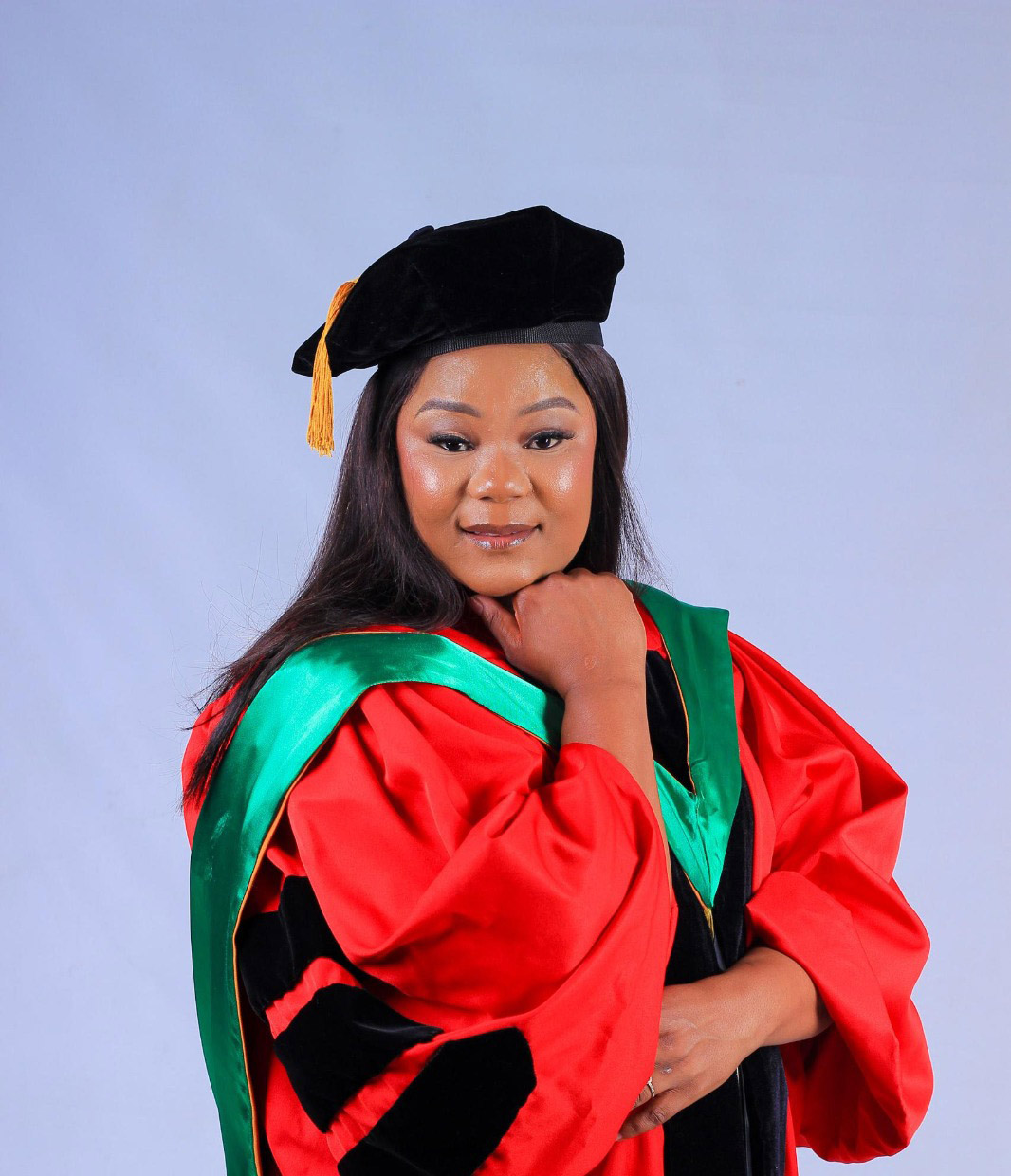
VULAMASANGO-An educator with a newly earned doctorate is seeking to reshape how young people in Eswatini’s correctional system access education, rehabilitation and opportunities beyond institutional care.
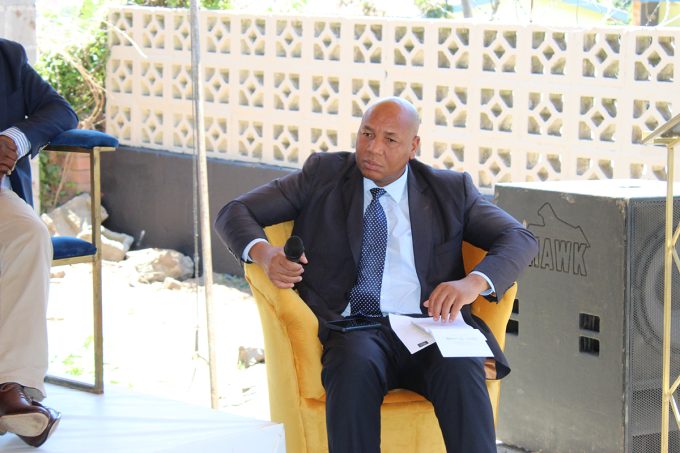
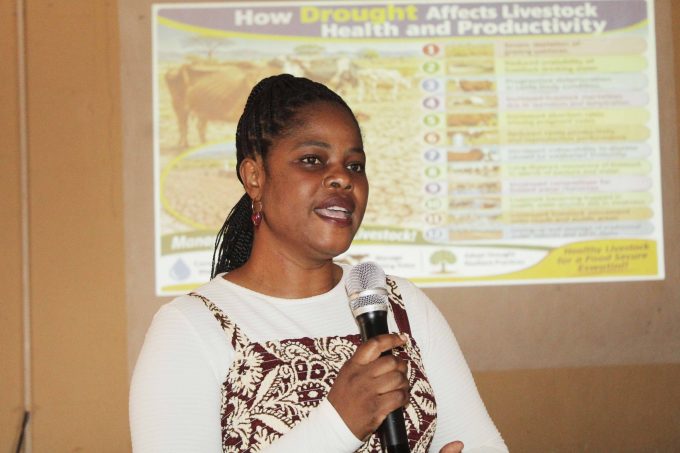
Assistant Superintendent Dr Ngabisa Dlamini, Headteacher of Vulamasango High School, believes that young people who have experienced incarceration or behavioural difficulties should not have their futures defined by their past.
Operating under His Majesty’s Correctional Services (HMCS), Vulamasango combines formal education with psychological and rehabilitative support for young people whose educational journeys have been disrupted by difficult circumstances.
Outlined
Speaking to Eswatini News this week, Dlamini outlined her ambitions for the institution, including expanding vocational training, improving learning facilities and strengthening pathways into higher education and employment.
Her appointment to lead the school brings together two professional responsibilities, being the Correctional administration and educational leadership. Last week, Dlamini graduated with a PhD in Agriculture, adding to her academic qualifications, having completed her doctoral studies while managing the institution.
Dlamini said her determination to pursue education was rooted in her upbringing in a socio-economically disadvantaged family, where she recognised the importance of independence and having a voice in society.
After completing her schooling at Nhletjeni High School, she enrolled for Agricultural Education at the University of Eswatini’s Luyengo campus in 2009.
Today, she wants to apply her experience and academic knowledge to an institution, w hose work challenges conventional assumptions about young people in correctional settings.
Education beyond punishment
Unlike conventional schools, Dlamini explained that Vulamasango serves incarcerated young people alongside teenagers experiencing behavioural difficulties. Its approach combines classroom instruction with interventions involving psychologists, social workers and chaplains.
Further, she explained that learners undergo screening and classification upon admission to establish their individual needs before appropriate programmes is introduced.
She clarified that the intention was to ensure that every learner receives support suited to their circumstances and abilities.
As a result, she revealed that the approach has produced encouraging examples. Dlamini told this publication about a former learner who is now pursuing a Master’s degree in Engineering in Taiwan.
She said such achievements demonstrate why young people should not be judged solely by the circumstances that brought them into the institution.
Those with strong academic abilities are supported towards tertiary education, while others are encouraged to pursue vocational and technical training.
“The intention is to ensure that pupils leave with qualifications or skills that can help them secure employment or become self-reliant,” she said.
Expand and modernise
Despite these ambitions, the institution faces challenges involving infrastructure, digital learning facilities and specialised teaching materials.
Dlamini is appealing for partnerships with government, businesses and communities to strengthen its programmes.
Her five-year priority is to expand and modernise the vocational education department, with particular emphasis on accredited qualifications that could improve learners’ employment prospects.
She believes that rehabilitation must prepare young people for life beyond institutional care, particularly when they return to communities where employment opportunities may be limited.
Dlamini also wants to contribute to evidence-based approaches to correctional education and youth rehabilitation, drawing on her doctoral research and professional experience.
For women aspiring to leadership positions, she has a message drawn from her own journey, that they should dream big and then wake up, stand up and work relentlessly to turn those dreams into reality.