

Several weeks ago in these pages, I wrote about the stories family business founders carry, the early failures, the near losses, the values passed down that no consultancy can manufacture. I pointed to the global research: Harvard Business School, the STEP Project for Family Enterprising, the African Family Firm Institute, decades of evidence showing that enterprises which survive across generations are the ones where values are explicit and succession is planned for, not left to chance.
This week, I want to introduce you to the people who will bring that evidence into the room on 24 September. And I want to say plainly: if you are building something, anything, this is the room you need to be in.
Setting the tone: Government at the table
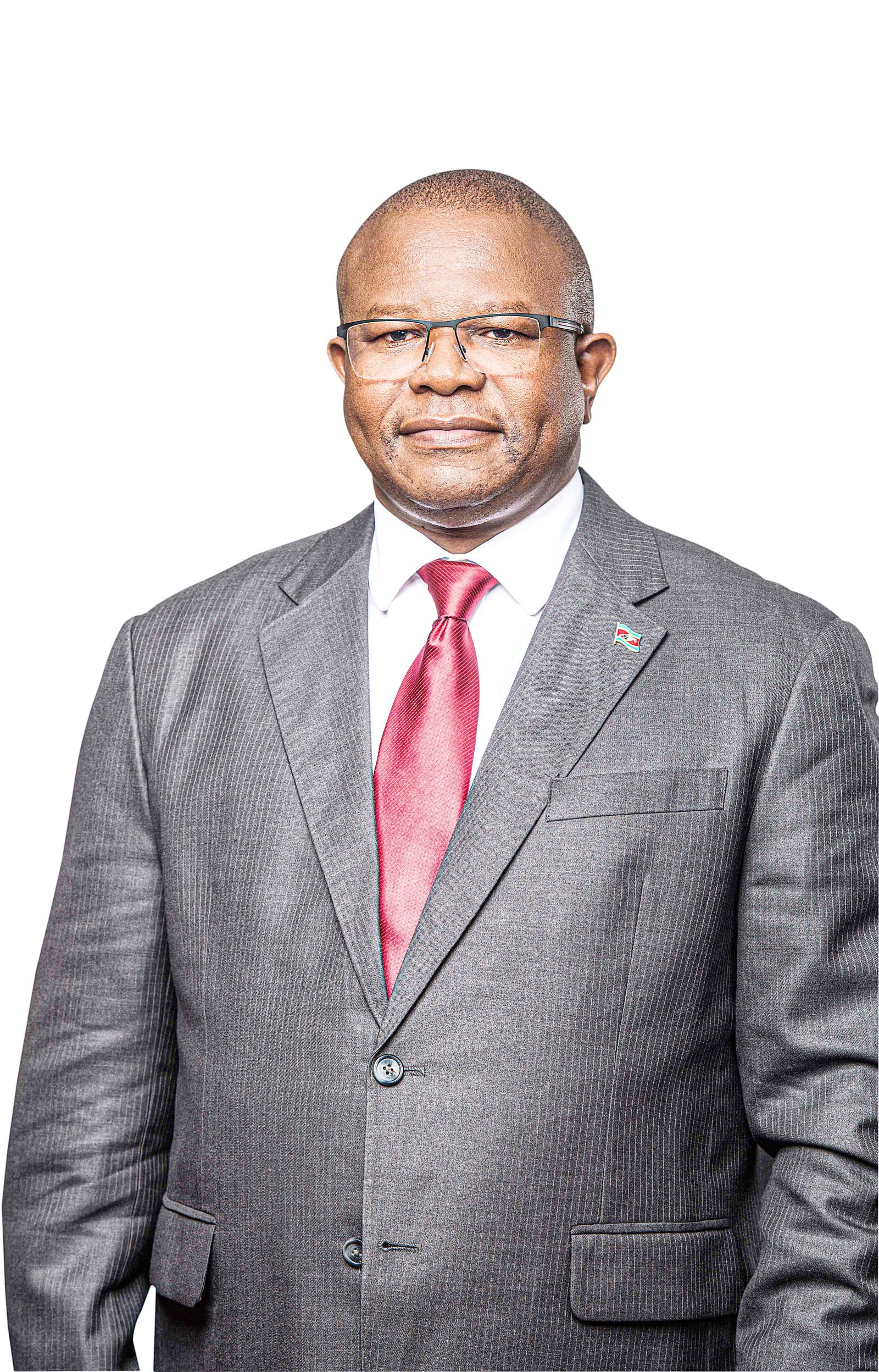
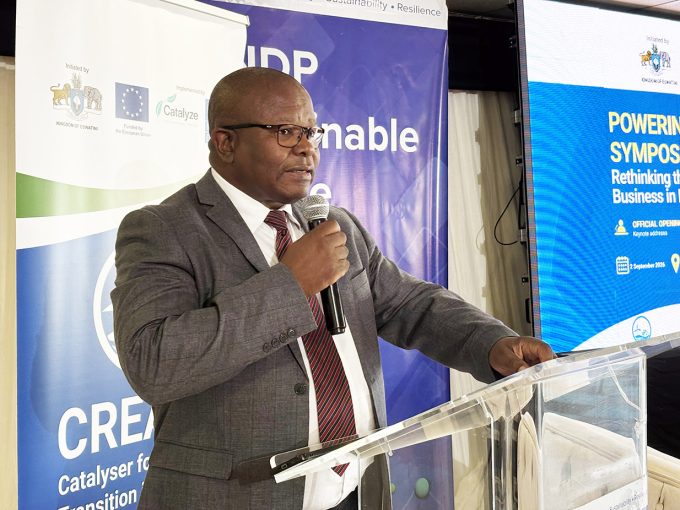
The Family Business Summit 2026 will be officially opened by the Minister for Commerce, Industry and Trade, the Honourable Manqoba Khumalo.
The Minister’s presence is more than ceremonial. As the member of Cabinet responsible for the policy environment in which family enterprises grow, or stall, his opening of this Summit signals that building resilient, multi-generational businesses is a matter of national economic strategy, not private family concern. When the government sits at the table alongside founders and successors, the conversation about resilient legacies moves from the boardroom into policy. That matters for every entrepreneur in this country, whatever the size of your business today.
The keynote speaker: A career spent on the hardest question
Our keynote speaker is Dr Billy Selekane CSP, Executive Coach, Leadership Strategist and Culture Transformation Expert.
Over more than 25 years, Dr Selekane has worked with leaders, organisations and entrepreneurs across 32 countries, partnering with Fortune 500 companies, multinational corporations, government departments and entrepreneurial organisations on leadership transformation, organisational culture and future readiness. He holds the Certified Speaking Professional designation, the highest international recognition in his field, and is inducted into both the PSASA Hall of Fame and the Educators Hall of Fame. He was also the first African to receive the Excellence in Professional Speaking Award in the United States.
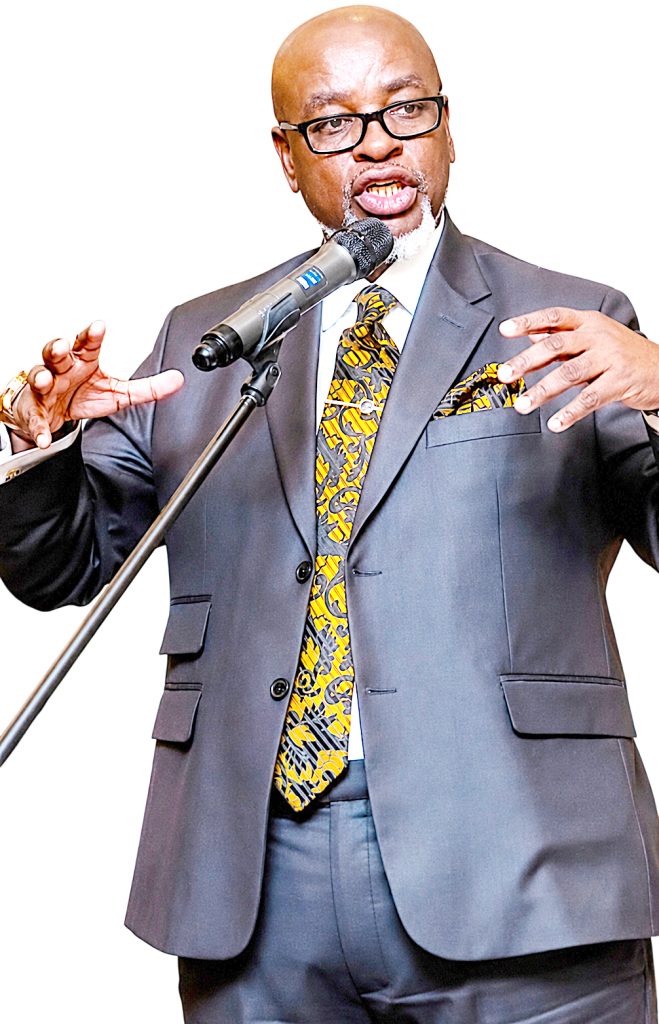
What makes Dr Selekane’s presence at this Summit particularly fitting is his sustained focus on African family wealth and legacy. As an executive coach who works directly with boards, chief executives and senior leadership teams, he has spent his career sitting with exactly the tension this Summit exists to address: the gap between transferring ownership and transferring the discipline that makes ownership meaningful. Few practitioners have engaged as many African leadership teams, across as many industries and jurisdictions, with that same question, what survives the founder?
He will not arrive with theory alone. He will arrive with answers.
International Expertise, Local Application
Two of our knowledge partners bring rigour shaped by decades of work with family enterprises across the globe.
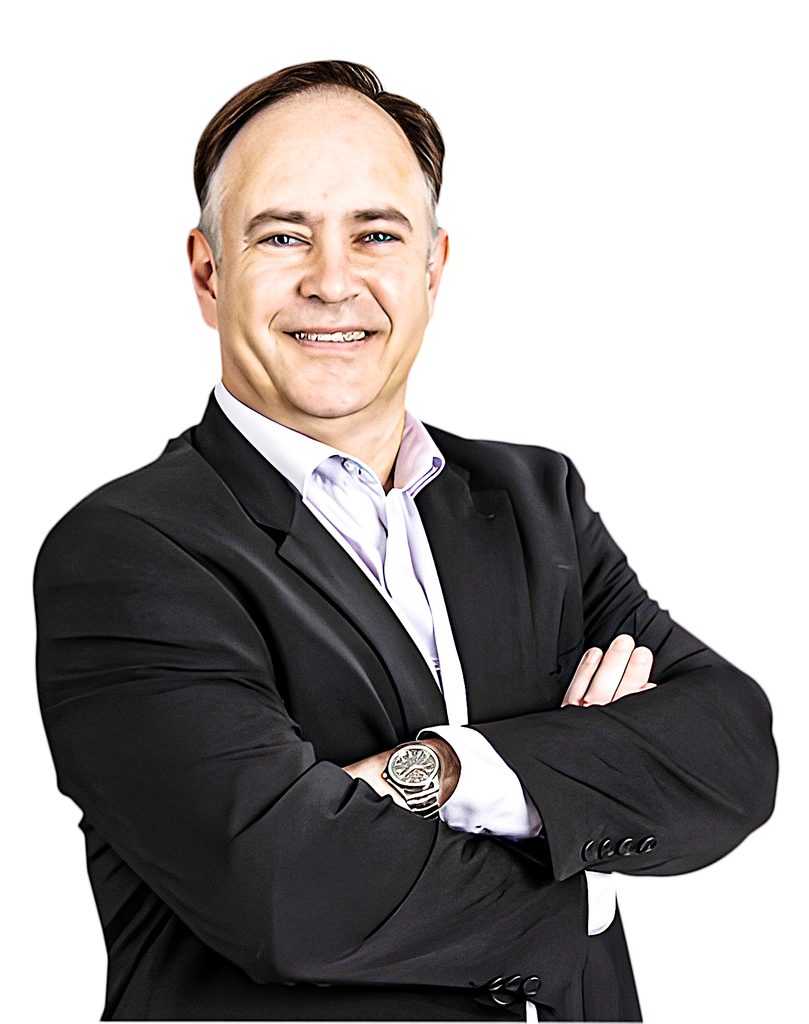
Alan Barr of KPMG South Africa: He brings the governance lens that global research keeps returning to: the family enterprises that endure are the ones that make their values explicit and plan for succession rather than assume it. His work with KPMG gives him direct sight of where that discipline holds and where it breaks down. In the room on September 24, he will help you see which side of that line your business is currently on, and what it takes to move.
Siduduzo Ntshangase of Standard Bank Group: He brings the view from inside the institutions that sit closest to the financial realities of family enterprise. He will speak to how family businesses access growth capital, navigate intergenerational wealth transfer, and build financial structures that hold when ownership changes hands. His contribution bridges the gap between vision and bankability because the best succession plan in the world fails without the financial architecture to support it.
Founders who have already done the work
Frameworks and research have their place, but nothing persuades a room of Eswatini founders like founders who have already lived it. Two of our panellists carry that credibility directly.
Thabo Patrick Magagula, Managing Director of Umelusi Group: Magagula offers something no framework can replicate, the credibility of someone already doing the work. As a local business leader actively building for the next generation, he brings the practitioner’s voice to a room of founders who are asking the same questions he has had to answer.
Chas Prettejohn, Managing Director of Ngwenya Glass: He represents one of Eswatini’s most recognised enterprises, a business that has outlasted its founding moment and continued to grow. His presence on the panel is living proof that the Summit’s central question has a yes as its answer. What you are building can survive you. It does not happen by accident, but it happens.
Additional speakers are still to be confirmed. Delegates will also have the opportunity to engage directly through one-on-one sessions, a chance to sit with an expert and ask the questions that matter to your specific business, not only the general case. That alone is worth the seat.
Why this line-up matters
Last year’s theme was Growing Legacies, Embracing Change. This year, Building Resilient Legacies: Embracing a Multi-Generational Mindset asks a harder question: growth is only half the equation, can what you have built survive you?
That is not a rhetorical question for Eswatini. Dr Sikhomba Gumbi, co-founder of Family Business Summit, has noted, local family businesses often have limited growth and tend to collapse after the founder’s demise, while enterprises in other jurisdictions survive across generations. The speakers joining us on 24 September are not here to suggest that Eswatini’s founders have fallen short. They are here because the evidence, from KPMG’s governance work, from Standard Bank’s view into intergenerational wealth, from Magagula’s and Prettejohn’s own experience building lasting local enterprises, shows that collapse is not inevitable. It is a matter of preparation. Preparation you can begin on September 24.
Register for the Family Business Summit, by visiting their website www.familybizsummit.com or email info@familybizsummit.com. Alternatively, you can call (+268) 7625 4140 / 7987 1115 General registration: E2 960 per person.














Leave a comment