

MANZINI— UNESWA AI Academy is turning to artificial intelligence itself to help teach future students, as the University of Eswatini moves to strengthen its support for a growing number of people seeking AI skills.
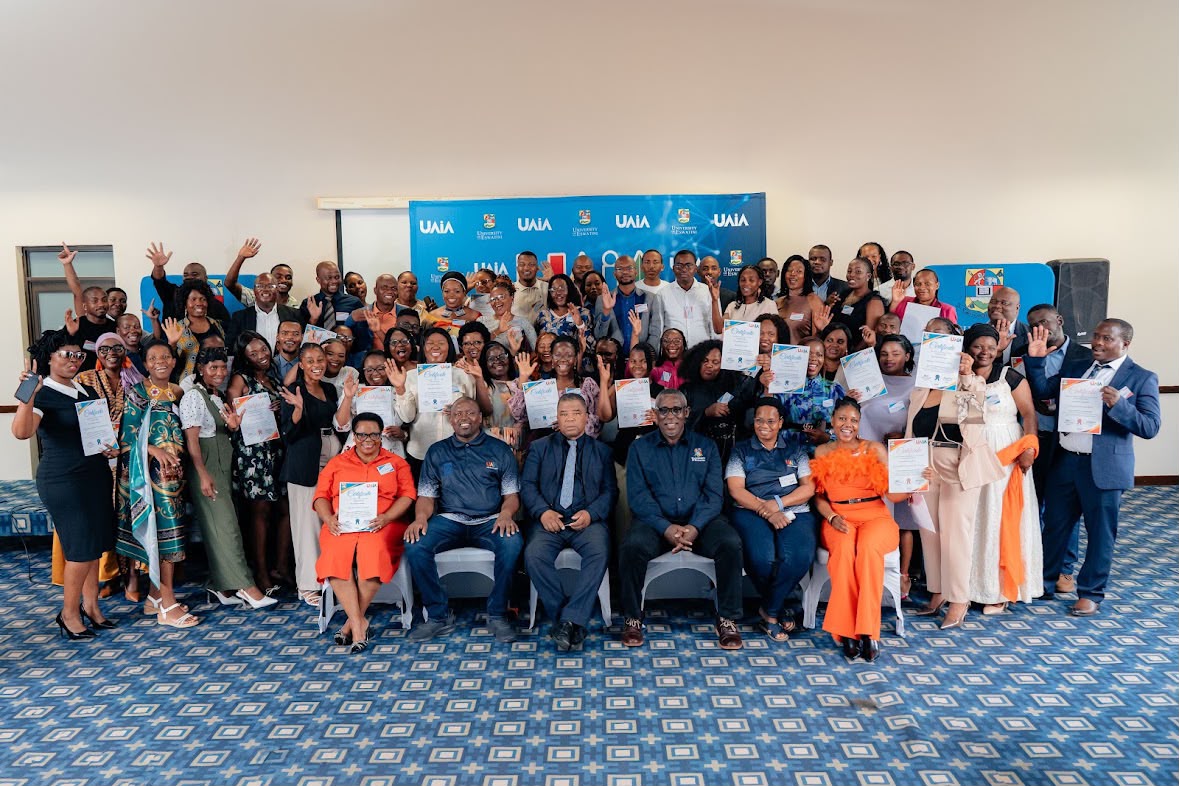
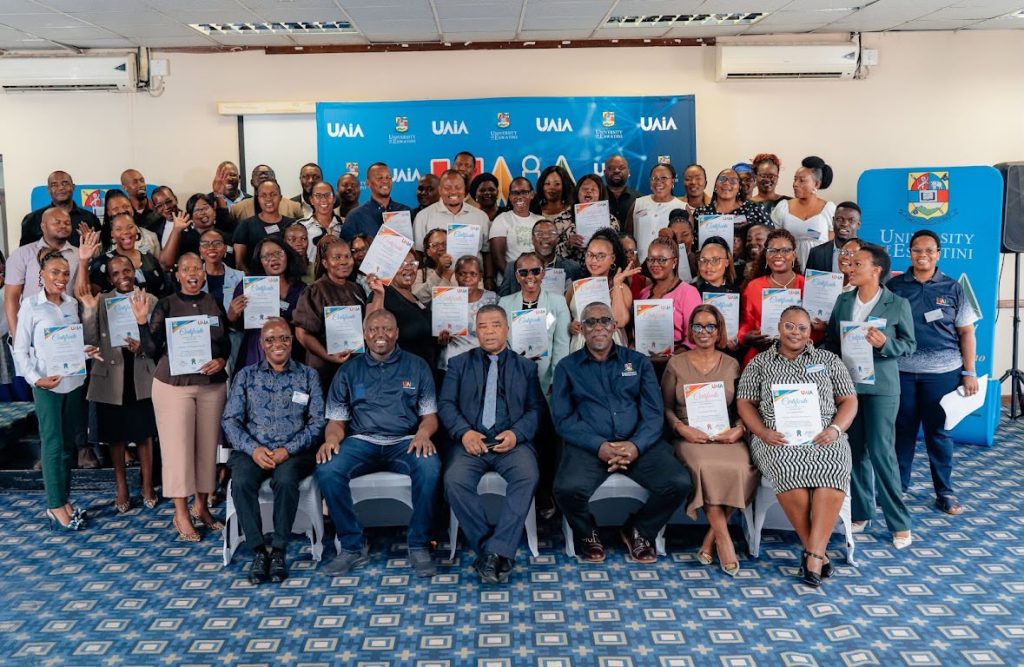
The development was revealed on Friday during a certificate awarding ceremony at The George Hotel in Manzini, where the fourth cohort of the Mastering Generative AI for Professionals programme and the sixth cohort of the Generative AI for Educators programme were recognised.
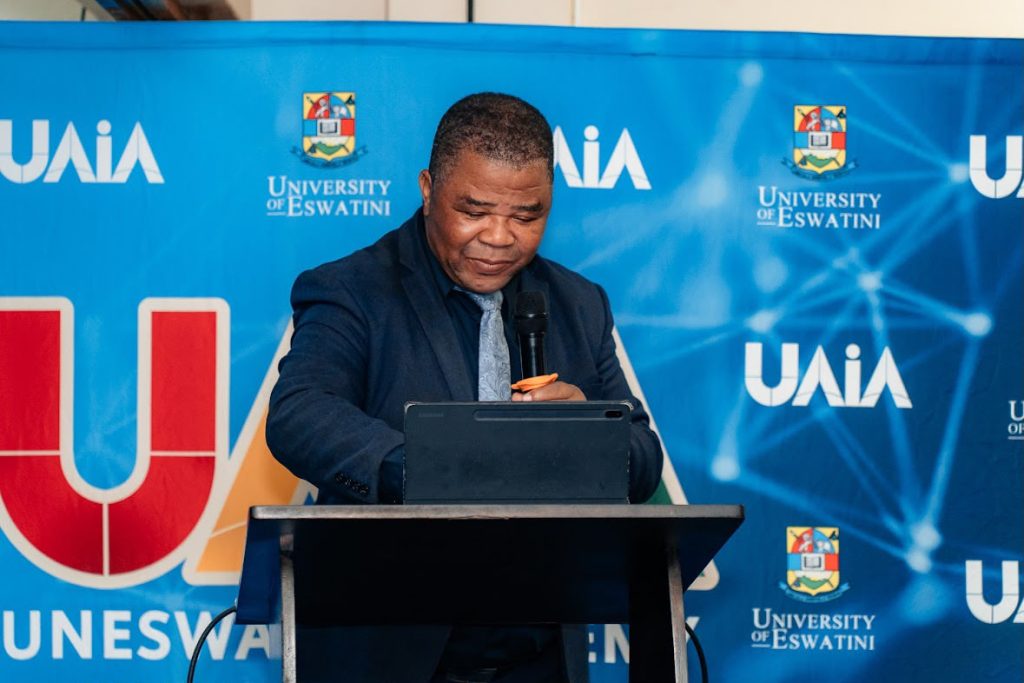
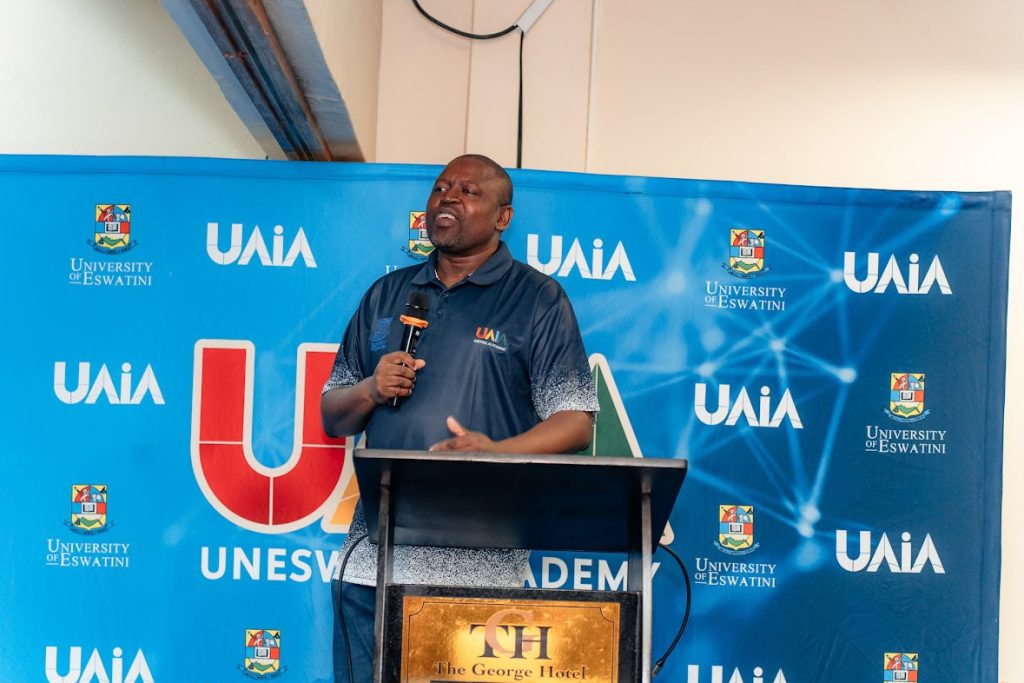
Professor Sandile Motsa, Director of the Institute of Postgraduate Studies and Coordinator of the UNESWA AI Academy, said the Academy was preparing to introduce AI-generated explainer videos as part of its support for future cohorts.
He said the short videos would demonstrate practical processes step by step, including how participants could download and upload documents when completing activities. The move is part of efforts to make the programmes easier to follow, particularly for participants who require more hands-on guidance.
Motsa said the rapid development of AI tools meant that the Academy itself had to keep adapting the way it delivered its programmes. His remarks came as the University reported that more than 2,000 people had participated in various AI Academy certificate programmes during 2026.
Vice-Chancellor Professor Justice Thwala said this growth showed that AI was no longer a distant concept for emaSwati, with the technology increasingly finding its way into workplaces, classrooms, businesses and institutions. “The important question, therefore, is no longer simply whether we will use artificial intelligence. The question is how well we will use it,” Thwala said.
He said the value of AI did not lie in allowing machines to do everything for people, but in understanding what could appropriately be delegated to technology and what should remain in human hands.
Thwala also cautioned that AI-generated content could be inaccurate, reproduce bias, misunderstand context or expose confidential information when used carelessly.
He said AI literacy therefore had to go beyond knowing how to generate documents, images or presentations.
“The skilled user is therefore not the person who simply accepts what AI produces, but the one who can question it, verify it and use it responsibly,” he said.
The latest graduation brought together about 480 participants who completed the two programmes within the allocated period. Thwala said more than 420 people had enrolled in the Mastering Generative AI for Professionals programme, with about 350 completing it, while more than 150 enrolled in the Generative AI for Educators programme and about 130 completed it.
He said participants who had not completed all the requirements within the allocated period would be given another opportunity to finish their outstanding work and qualify for their certificates.
The Vice-Chancellor said the University had also established a smart classroom equipped with digital display screens and cameras to support a hybrid approach to future AI training.
Under the model, participants who require more direct assistance will be able to attend sessions physically, while those comfortable with online learning can continue remotely. Thwala said this would allow the Academy to reach a wider section of society while responding to different learning needs.
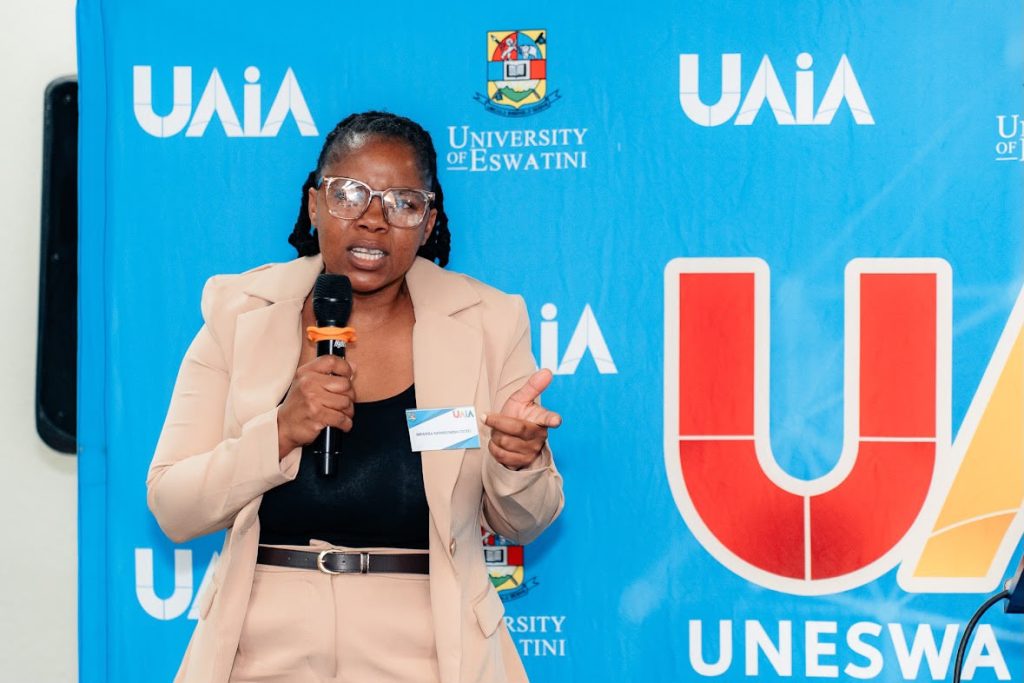
For the graduates, however, the value of the programme extended beyond collecting certificates. Nondumiso Mpanza-Motsa, one of the graduates who spoke during the ceremony, expressed appreciation to the University and the Academy for making the courses affordable and accessible. She said the effort to take the country’s economic circumstances into account when setting the cost of the programmes had made the training more reachable for emaSwati.
Khabo Dlamini, another graduate, praised the structure of the programme, describing it as well packaged and well paced.
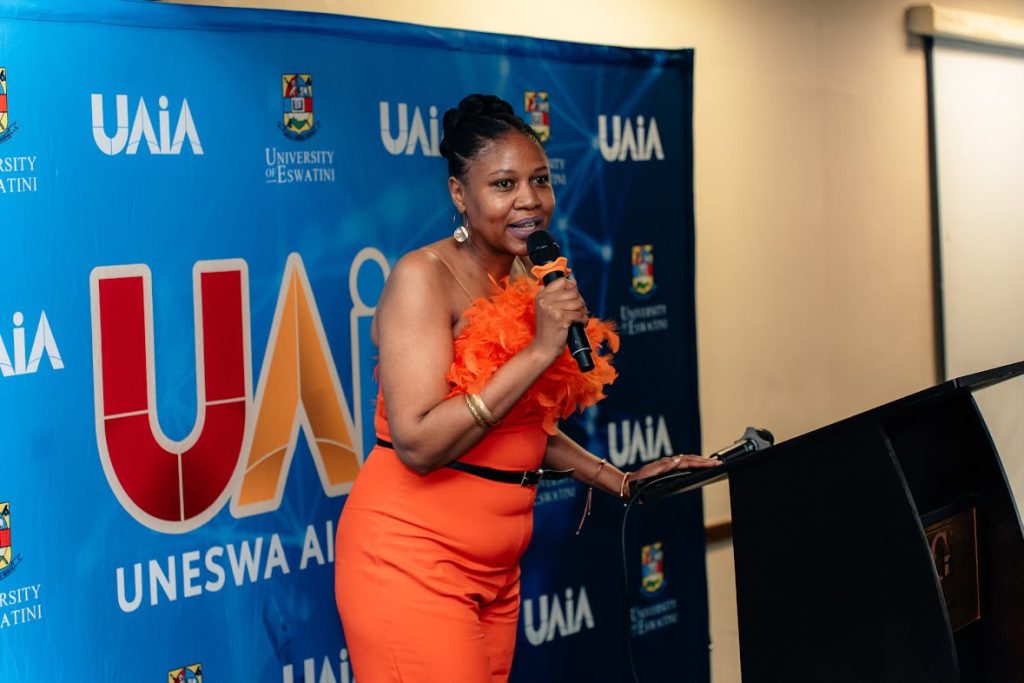
She acknowledged that some participants may struggle to complete the course within the allocated period, but said the intensity of the programme made the experience worthwhile.
Dlamini said participants received value beyond the programme’s price tag because of the amount of knowledge packed into the course.
The Vice Chancellor also said the Academy’s role was not simply to generate AI users, but to equip professionals and educators with skills that could be taken back into workplaces, classrooms, institutions and communities.
He challenged graduates to put their new skills to practical use, including solving problems, improving productivity, saving time and making better decisions.
For educators, he urged them to demonstrate to learners that AI should support thinking rather than replace it.
For professionals, he said the adoption of new technology should not come at the expense of judgement, confidentiality, accountability or professional standards.
The University says the AI Academy is also giving practical expression to its vision of being “a sustainable public university impacting society and improving lives”.
Thwala said the Academy responds to an emerging skills need while connecting UNESWA with professionals, educators, businesses, public institutions and communities. He acknowledged the work of Motsa, Mr Wiseman Nyembe and Dr Zinhle Dlamini of the Department of Electronic and Electrical Engineering, who served as facilitators, as well as Dr Simangele Mavundla, who assisted with grading.
Technical and administrative support was provided by Setsabile Dlamini, Alson Magagula and Chris Mavuso.
As the latest graduates begin applying their skills, the Academy is already looking towards its next chapter.
And in a fitting twist for an institution dedicated to teaching artificial intelligence, some of the next lessons may themselves be delivered by AI.











Leave a comment