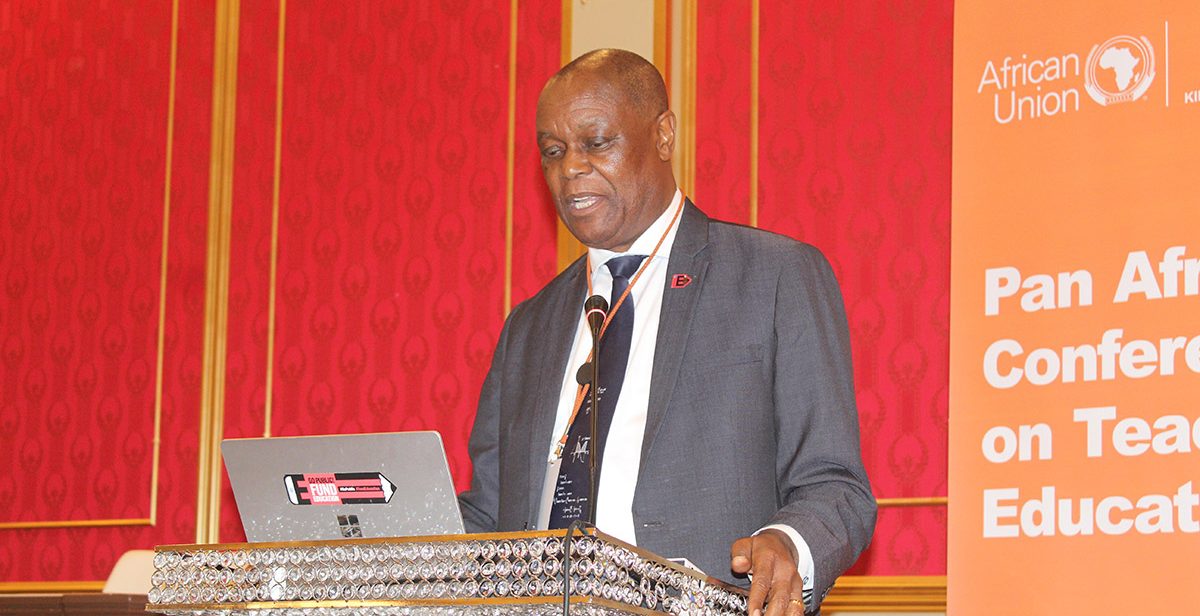
MANZINI – Education International Africa Director Dr Dennis Sinyolo has urged African countries to put pedagogy and the human being before artificial intelligence (AI) as they introduce the technology into education.
Sinyolo said AI should complement education rather than replace the human interaction and critical thinking that remained at the heart of teaching and learning.
“Pedagogy before AI, not AI before pedagogy. And we should put the human being always before AI, not AI before the human being,” he said.
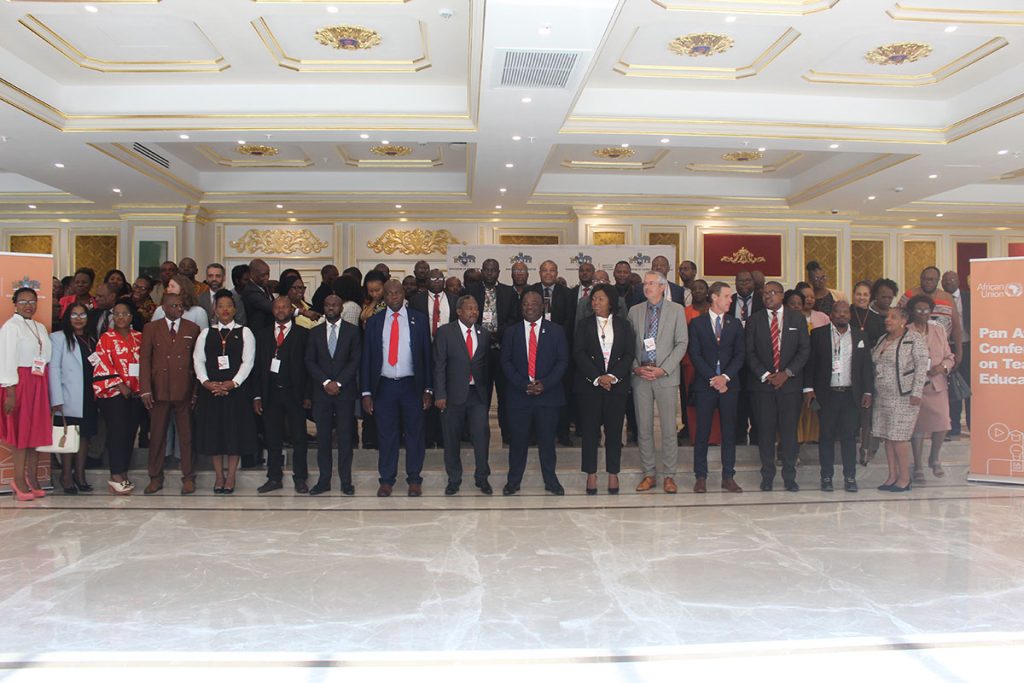
He was speaking during the 26th Session of the Pan-African Conference on Teacher Education (PACTED) 2026 at the Palazzo Convention Centre in Eswatini, where delegates discussed the future of teacher education amid rapid technological developments.
Sinyolo said the African concept of Ubuntu, which emphasised human relationships, tolerance, support and interconnectedness, should remain central as education systems embraced AI.
“Ubuntu, that which binds us together as human beings is relational. The way we relate to each other, we tolerate each other, we support each other. That is Ubuntu,” he said.
He said the human element in education could not be replaced by technology, warning against allowing the rush to adopt AI to undermine interaction between teachers and learners.
Sinyolo also raised concerns about the ethical challenges posed by AI, particularly its potential to facilitate academic cheating.
He gave an example of a university student who was given only five minutes’ notice that an assignment was due. The student had not completed the work but used AI to produce and submit the assignment before the deadline and subsequently passed.
Sinyolo said such incidents highlighted the urgent need for clear ethical guidelines and regulation of AI in education.
“We need to do something about cheating. Otherwise we will have a cohort or a lost generation of students who have passed but know nothing at all because they’ve been using AI to learn,” he said.
He said education systems needed to maintain their focus on intellectual and cognitive development, including problem-solving, creativity and innovation.
While AI could support these areas, Sinyolo stressed that it should never become a substitute for human thinking.
“AI could help in that regard but must never be a substitute for the human mind and brilliance,” he said.
Sinyolo also cautioned African countries against focusing heavily on AI while basic education infrastructure remained inadequate.
He said many schools across the continent still lacked classrooms, furniture, electricity and computers, with some learners forced to study under trees or sit on floors in overcrowded classrooms.
“Are we going to ensure that those schools have AI? We don’t even have computers. We don’t have electricity,” he said.
However, Sinyolo stressed that Africa should not abandon AI.
“Am I saying we shouldn’t try? We must,” he said.
He said investment in AI needed to take place alongside efforts to address fundamental infrastructure challenges.
Sinyolo further called for greater investment in teacher training, including the training of teacher educators who would be responsible for preparing teachers to work with emerging technologies.
“Let’s empower them to be able to prepare our teachers to deal with these new innovations and developments,” he said.
His remarks added to wider PACTED 2026 discussions on ensuring that technological advancement strengthens, rather than undermines, the human, ethical and pedagogical foundations of education.