Madam,
Part II
When the Church successfully transforms its internal sanctuaries into fortresses of safety, it earns the moral standing necessary to lead the fight against gender-based violence (GBV) on a national scale. Our influence in Eswatini extends far beyond the pews; it permeates the family unit, the village council and the workplace. By setting an exemplary standard of accountability, we can leverage our immense reach to dismantle the structural and cultural roots of violence that continue to plague our nation.
The pulpit remains the most powerful platform for influence in Eswatini. For too long, however, it has been underutilised, or worse, misused, in the fight against GBV. To act as a true national catalyst, we must commit to a radical recalibration of our preaching:
Dismantling patriarchal misinterpretations: We must aggressively challenge the toxic traditional and theological interpretations that view women as lesser participants in the marriage covenant. True biblical authority demands the protection of the oppressed, never their silence.
Promoting healthy masculinity: Our leadership must model a form of masculinity that finds strength in self-control, service and the protection of the vulnerable. By highlighting men of faith who honour their wives and families, we provide a blueprint for a new generation of Eswatini men.
Building national coalition: Church, law enforcement and NGOs
The Church is currently an untapped strategic partner for the State and civil society. While government and NGOs work tirelessly on policy and survivor support, the Church holds the unique capacity to bridge the gap between high-level policy and the daily lives of citizens. We must transition from working in silos to forming a structured, national coalition.
Partner sector collaborative strategy
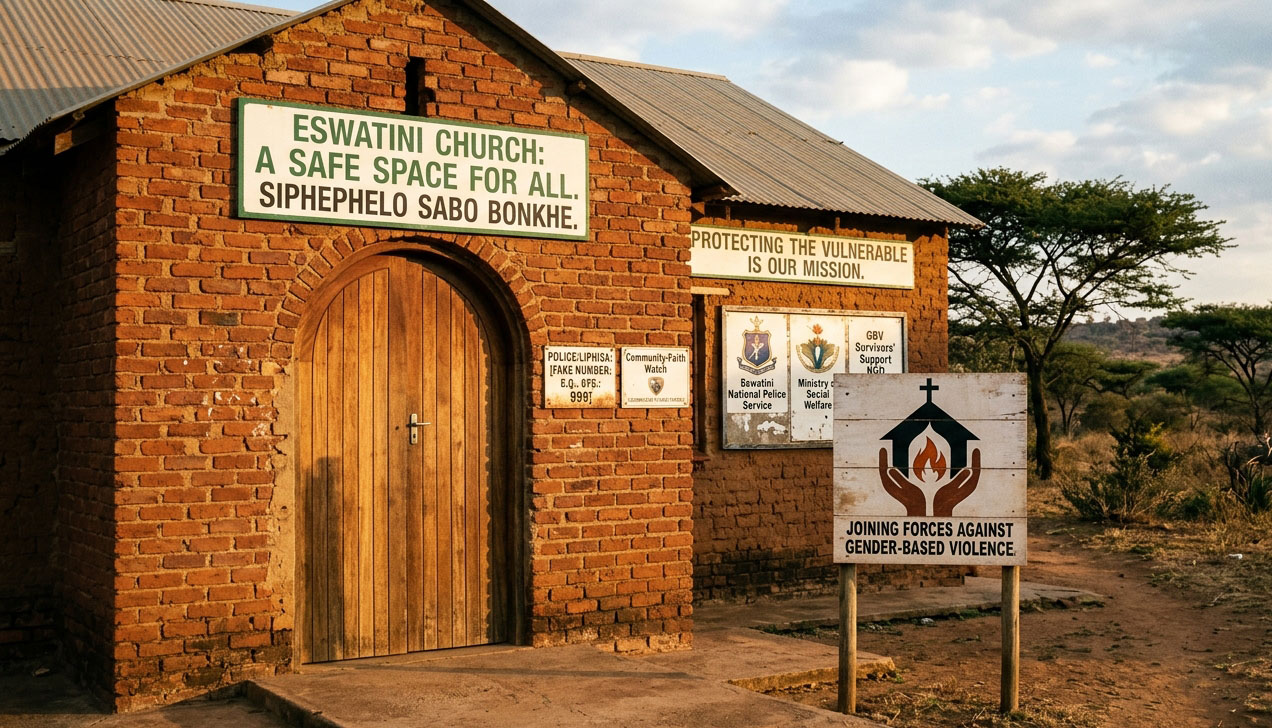
Law Enforcement: Establishing ‘Community-Faith Watch’ programmes where churches facilitate direct communication channels with local police to expedite the reporting of domestic abuse cases.
NGOs & Health Services: Utilising church premises as satellite centres for GBV awareness education, trauma counselling sessions and distribution points for crisis intervention resources.
By inviting State actors and social experts into our spaces for training and collaborative workshops, we legitimise the fight against GBV as a shared national priority. This partnership transforms the Church from an insular institution into a vital node within the national security and public health infrastructure of Eswatini.
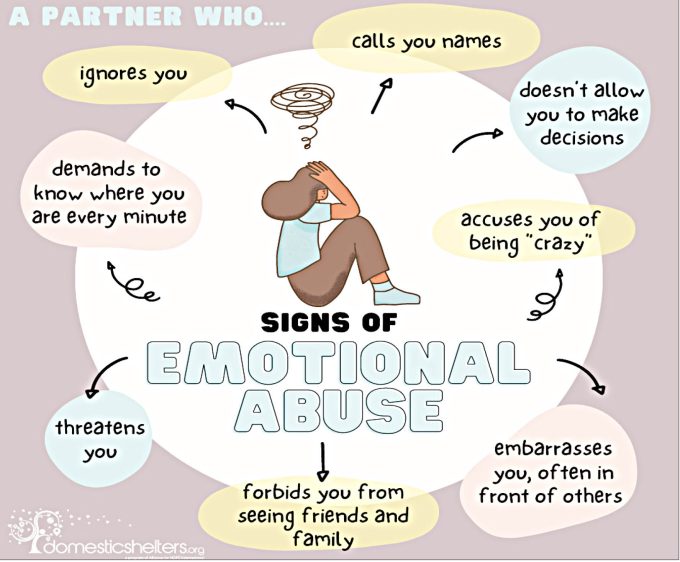
Furthermore, the Church’s moral authority can act as an anchor for social stigma reduction. When faith leaders publicly stand with survivors and condemn the actions of abusers, it shatters the culture of silence that keeps Survivors trapped in abusive cycles. By modelling transparency in our own ranks, we give our congregants the courage to speak out and seek help. We are not just buildings with steeples; we are a network of influence that, if properly aligned, can ensure that GBV has no place to hide within our borders.
A call to action for the shepherds and flock
We have reached the hour of decision. The crisis of gender-based violence in Eswatini will not be defeated by rhetoric, nor will it be solved by prayer alone while our doors remain closed to the cries of the suffering. It is time for the Church to move from the comfort of tradition to the courage of transformation. We are called to be the salt of the earth, and salt that does not sting the wounds of injustice is no longer useful.
To the leadership of the Conference of Churches, the national bodies and the individual shepherds watching over our local parishes: I challenge you to make the safety of the vulnerable your primary administrative priority in the coming year. A Church that fails to protect its members has failed in its primary stewardship. I urge you to adopt the ‘Sanctuary Fortress’ framework, not as a suggestion, but as a binding covenant of care. Let us hold a national summit where we move beyond discussion and begin the systematic training of our and the formation of our Sanctuary Teams. Let us open our registers not just to count congregants, but to account for the safety of every soul under our watch.
To the flock, the congregants who sit in the pews, I call upon you to become the eyes and ears of compassion. If you see injustice, do not look away. If a sister or brother is being silenced, break that silence. Your commitment to witnessing the truth is just as vital as the policies we draft in boardrooms. We must cultivate a culture where the ‘Sanctuary’ is truly defined by its safety, not by its secrecy.
Imagine a future Eswatini where every Church door serves as a threshold of safety, place where a woman facing abuse knows that if she crosses that threshold, she will not be told to ‘pray harder’, but will instead be handed a hand of support, a secure protocol of referral, and the full weight of a community that refuses to tolerate her violation. This is the vision. This is the mandate. This is our mission.
Let us close the chapter on our silence. Let us open the gates to a renewed, protected and empowered Church. The survivors are waiting; the nation is watching; and history will judge us not by the hymns we sang, but by the lives we chose to safeguard.
Apostle Mbongeni Khoza
Minister of the Gospel, Marriage Officer & Veteran Law Enforcement Officer