MBABANE – Eswatini’s leather sector has the potential to grow the value of hides and skins from about E78.7 million to E943.8 million through processing and manufacturing.
This is according to the Ministry of Commerce, Industry and Trade.
The ministry said this represented a significant opportunity for the country to retain more value locally while creating enterprises, employment and opportunities for micro, small and medium enterprises (MSMEs).
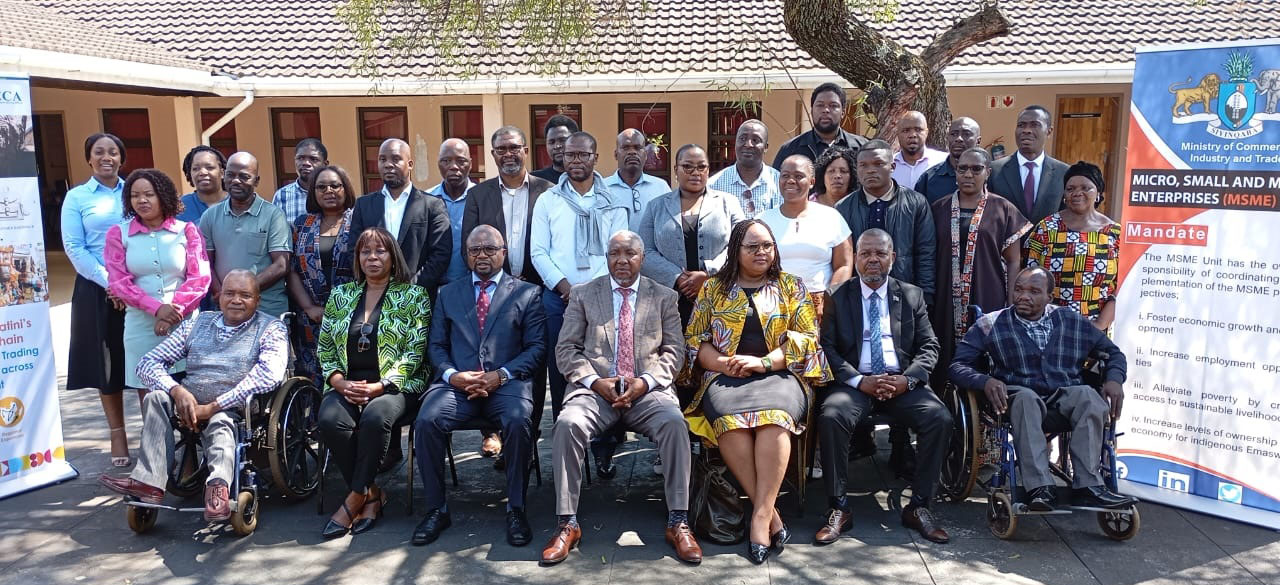
Speaking during the Leather Sector Joint Procurement Framework Validation Workshop, Principal Secretary Melusi Masuku, represented by Under Secretary Phesheya Dube, said the Swaziland Leather Value Chain Strategy 2016–2025 had identified leather as an important opportunity for value addition, enterprise development and employment creation.
Eswatini has the capacity to produce approximately 220 000 to 250 000 hides and skins annually, but most are currently exported in raw or wet-salted form.
The strategy estimated that processing these hides and skins into finished products could increase their value from approximately E78.7 million at the raw stage to E943.8 million at the finished-products stage.
Masuku said the absence of a commercial tannery remained one of the major gaps in the local leather value chain.
At the same time, the footwear and leather-goods market has historically been heavily dependent on imports, while local producers rely substantially on imported leather and other inputs.
“These conditions increase production costs and limit the competitiveness and growth of local MSMEs,” the ministry stated.
The proposed Joint Leather Procurement Framework is intended to address some of these challenges by consolidating the requirements of leather artisans and MSMEs.
Through collective procurement, enterprises could benefit from economies of scale, stronger bargaining power and lower transaction and transport costs, while gaining more reliable access to quality production inputs.
The ministry said the approach was consistent with the Leather Value Chain Strategy, which identified joint bulk procurement as a short-term intervention to address shortages and high input costs.
Longer-term interventions would focus on developing capacity for semi-processed and finished leather.
Masuku stressed, however, that procurement alone would not transform the sector.
He identified tanning capacity, skills, machinery, product design, standards, finance and market access as areas requiring continued attention.
The ultimate objective, he said, was to progressively move Eswatini from exporting raw hides and skins towards processing and manufacturing finished leather products.
The United Nations Economic Commission for Africa (UNECA) said the initiative could also establish a foundation for a revolving fund mechanism aimed at improving access to working capital for leather and footwear enterprises.
Director Eunice Kamwenda, represented by Zodwa Mabuza, said the framework was not only about procurement, but also about advancing a more industrialised and integrated Africa where natural resources were transformed into products that created jobs and wealth.
She said the framework could help enterprises access quality inputs at more competitive prices and with greater reliability.
However, she cautioned that its success would depend on effective governance, particularly transparency, accountability, sustainability and confidence among participating stakeholders.
UNECA said Africa’s leather market was valued at approximately US$3.9 billion in 2024, with demand expected to grow as the continent’s population expands, urbanisation accelerates and regional trade develops under the African Continental Free Trade Area.
The organisation said leather presented opportunities extending beyond footwear to handbags, belts, wallets, travel goods, furniture upholstery, automotive leather, protective equipment and other specialised products.