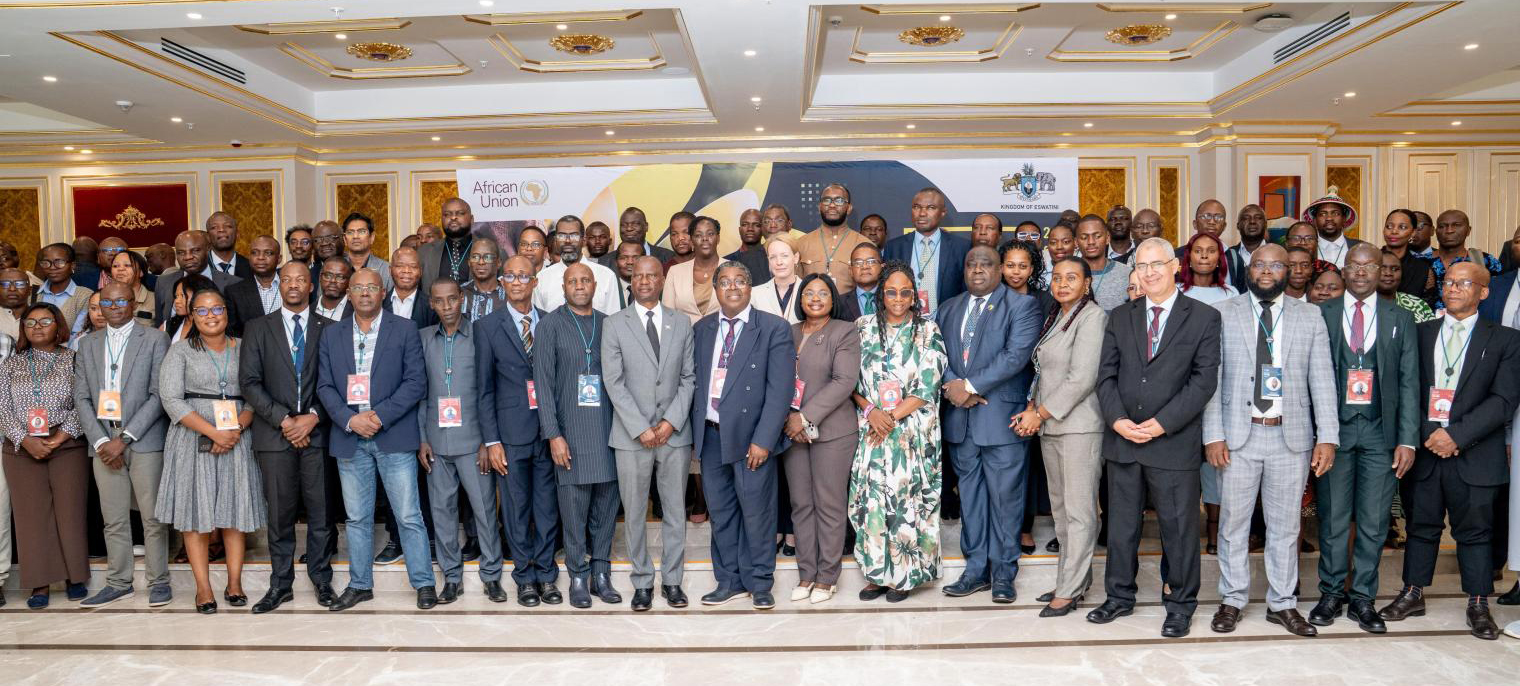
MBABANE – Africa has been urged to turn commitments made at the inaugural African Union Seed Investment Summit in Eswatini into practical investment, agro-processing and jobs across the continent.
Economist and Regional Coordinator at the Southern African Research Foundation for Economic Development (SARFED), Dr George Choongwa, says African countries need to move beyond continental declarations and strengthen agricultural value chains to address food insecurity, poverty, unemployment and limited industrialisation.
In a policy brief published on October 9, 2026, titled 2026 African Union Seed Summit: A Paradigm Shift for Inclusion and Job Creation in Agrifood Value Chains, Dr Choongwa argues that the summit held in Ezulwini from October 5 to 7 presented an opportunity to advance Africa’s agricultural transformation, but its impact will depend on how commitments are implemented at national and community levels.
He says the continent needs an integrated approach that connects seed production and farming with processing, packaging, transportation, storage and access to markets, enabling more people to benefit economically from agriculture. The summit was organised within the broader context of the African Union’s efforts to transform the continent’s agricultural sector through the Comprehensive Africa Agriculture Development Programme (CAADP).
Dr Choongwa notes that African leaders have made several commitments to improve agricultural productivity and food security over the years, yet progress towards their objectives has remained insufficient.
He argues that the challenge facing Africa is no longer simply the need to recognise agriculture’s importance, but to ensure that policy commitments translate into measurable economic benefits for farmers, businesses and communities.
The policy brief traces Africa’s agricultural transformation agenda to the 2003 Maputo Declaration, under which African Union member States committed to allocating at least 10 per cent of national public expenditure to agriculture, with the objective of achieving annual agricultural gross domestic product (GDP) growth of six per cent.
These commitments were reaffirmed and expanded through the 2014 Malabo Declaration, which included objectives such as ending hunger, reducing poverty, increasing intra-African agricultural trade and strengthening resilience.
However, Dr Choongwa says implementation has fallen short of expectations.
He refers to the fourth CAADP Biennial Review Report presented to the African Union Assembly in February 2024, which indicated that the continent was not on track to achieve the Malabo targets. The shortcomings prompted calls for a post-Malabo agricultural development agenda focused on building resilient, inclusive and sustainable agrifood systems during the following decade. The Kampala Declaration and its 2026–2035 agricultural development framework form part of the wider policy drive to strengthen agricultural investment, resilience and food systems.
According to Dr Choongwa, African countries have struggled to maintain consistent agricultural budget allocations because of changing fiscal frameworks and other external pressures.
He argues that mobilising sustainable financial resources will be critical if governments are to turn their agricultural ambitions into tangible results.
For Eswatini and other African economies, this means that agricultural development requires sustained funding and coordinated policies that support the entire value chain, rather than focusing narrowly on production.