

The Ministry of Commerce, Industry and Trade is working towards strengthening Eswatini’s leather industry through a proposed Joint Procurement Framework aimed at improving access to production materials and helping local enterprises operate more efficiently.
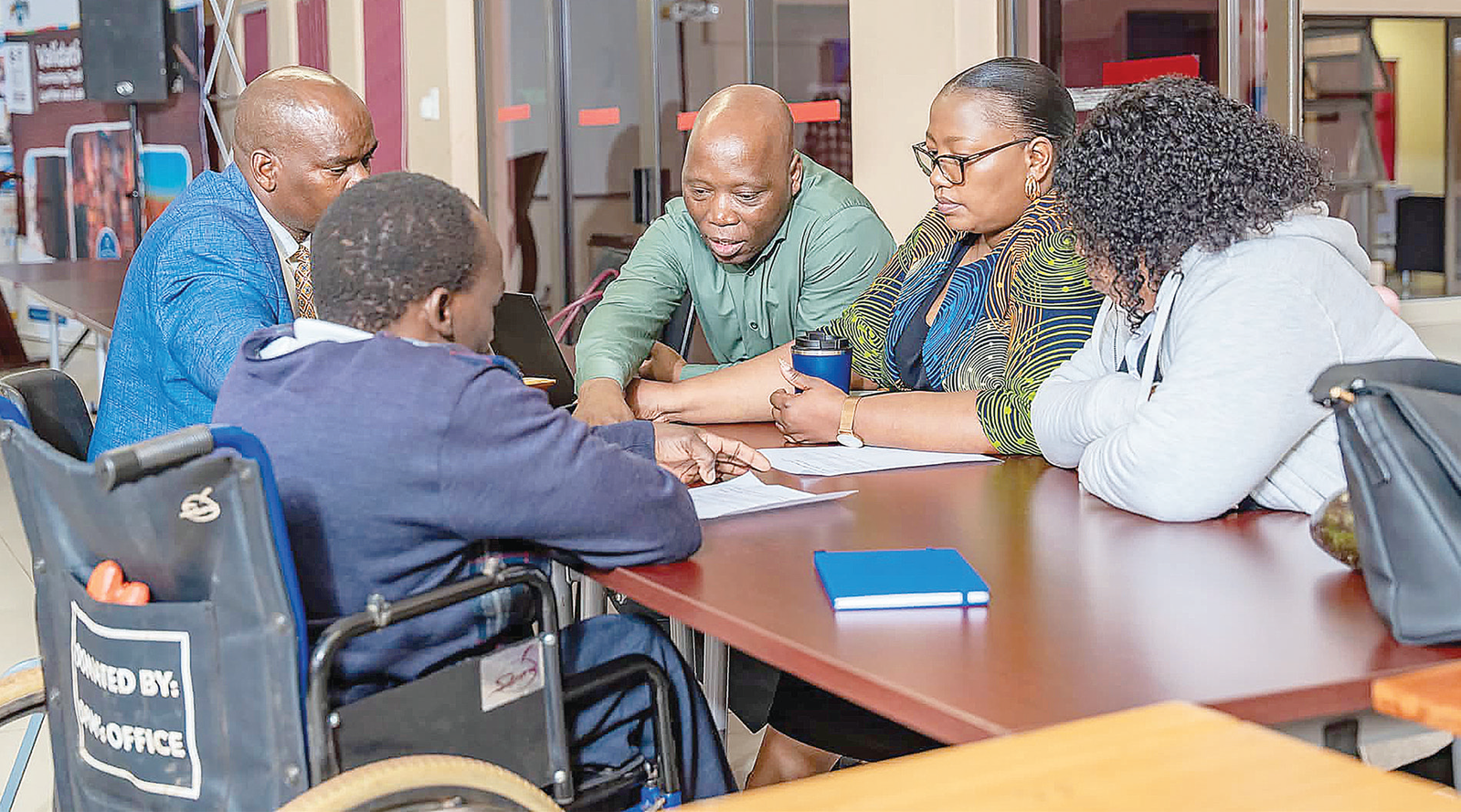
This was the focus of the Leather Sector Joint Procurement Framework Validation Workshop, where industry stakeholders reviewed the draft framework through group discussions designed to identify practical solutions to challenges affecting leather artisans and micro, small and medium enterprises (MSMEs).
Also in attendance was Mluleki Dlamini, Director of MSMEs, also referred to as the MSME Unit, under the ministry.
Addressing the availability of materials
Access to quality production materials is essential for leather businesses seeking to maintain consistent production, meet customer demand and expand their operations. However, challenges in sourcing materials can affect their ability to operate efficiently and compete in the market.
The proposed framework seeks to explore how a coordinated approach to purchasing materials could help businesses access the inputs they need more efficiently.
During the workshop, participants worked in groups to examine key areas, including material requirements, supply and demand, sourcing arrangements, storage and repayment mechanisms.
The discussions provided an opportunity for industry stakeholders to share practical experiences, identify challenges and recommend solutions that reflect the realities faced by local leather artisans and MSMEs.
Turning discussions into practical solutions
A key focus of the workshop was ensuring that the proposed framework would be practical, transparent and commercially viable.
Participants were expected to present clear recommendations from their group discussions for consideration by all stakeholders. Potential risks were also examined to help identify challenges that could affect the framework’s sustainability and implementation.
The recommendations will contribute to finalising the Joint Procurement Framework and its implementation plan.
Establishing effective procurement arrangements will be important in ensuring that businesses can access materials reliably, while clear sourcing, storage and repayment procedures could help support the long-term sustainability of the proposed system.
Supporting MSME growth and job creation
The initiative presents an opportunity to address some of the production challenges facing local leather enterprises while strengthening their competitiveness.
Improved access to materials could help businesses plan production more effectively, respond to customer needs and explore opportunities to expand their product offerings.
A stronger leather sector could also promote greater value addition within Eswatini, allowing local enterprises to strengthen their operations and contribute to economic development.
For MSMEs, addressing production constraints is an important step towards building sustainable businesses capable of creating employment opportunities.
The success of the framework will ultimately depend on how effectively stakeholders’ recommendations are incorporated into the final model and how well it responds to businesses’ needs.
Through this collaborative process, the ministry aims to support a practical procurement system that strengthens local leather enterprises, encourages business growth and contributes to job creation in Eswatini.
Leather industry looks to joint procurement
The Ministry of Commerce, Industry and Trade is working towards strengthening Eswatini’s leather industry through a proposed Joint Procurement Framework aimed at improving access to production materials and helping local enterprises operate more efficiently.
This was the focus of the Leather Sector Joint Procurement Framework Validation Workshop, where industry stakeholders reviewed the draft framework through group discussions designed to identify practical solutions to challenges affecting leather artisans and micro, small and medium enterprises (MSMEs).
Also in attendance was Mluleki Dlamini, Director of MSMEs, also referred to as the MSME Unit, under the ministry.
Addressing the availability of materials
Access to quality production materials is essential for leather businesses seeking to maintain consistent production, meet customer demand and expand their operations. However, challenges in sourcing materials can affect their ability to operate efficiently and compete in the market.
The proposed framework seeks to explore how a coordinated approach to purchasing materials could help businesses access the inputs they need more efficiently.
During the workshop, participants worked in groups to examine key areas, including material requirements, supply and demand, sourcing arrangements, storage and repayment mechanisms.
The discussions provided an opportunity for industry stakeholders to share practical experiences, identify challenges and recommend solutions that reflect the realities faced by local leather artisans and MSMEs.
Turning discussions into practical solutions
A key focus of the workshop was ensuring that the proposed framework would be practical, transparent and commercially viable.
Participants were expected to present clear recommendations from their group discussions for consideration by all stakeholders. Potential risks were also examined to help identify challenges that could affect the framework’s sustainability and implementation.
The recommendations will contribute to finalising the Joint Procurement Framework and its implementation plan.
Establishing effective procurement arrangements will be important in ensuring that businesses can access materials reliably, while clear sourcing, storage and repayment procedures could help support the long-term sustainability of the proposed system.
Supporting MSME growth and job creation
The initiative presents an opportunity to address some of the production challenges facing local leather enterprises while strengthening their competitiveness.
Improved access to materials could help businesses plan production more effectively, respond to customer needs and explore opportunities to expand their product offerings.
A stronger leather sector could also promote greater value addition within Eswatini, allowing local enterprises to strengthen their operations and contribute to economic development.
For MSMEs, addressing production constraints is an important step towards building sustainable businesses capable of creating employment opportunities.
The success of the framework will ultimately depend on how effectively stakeholders’ recommendations are incorporated into the final model and how well it responds to businesses’ needs.
Through this collaborative process, the ministry aims to support a practical procurement system that strengthens local leather enterprises, encourages business growth and contributes to job creation in Eswatini.


















Leave a comment