

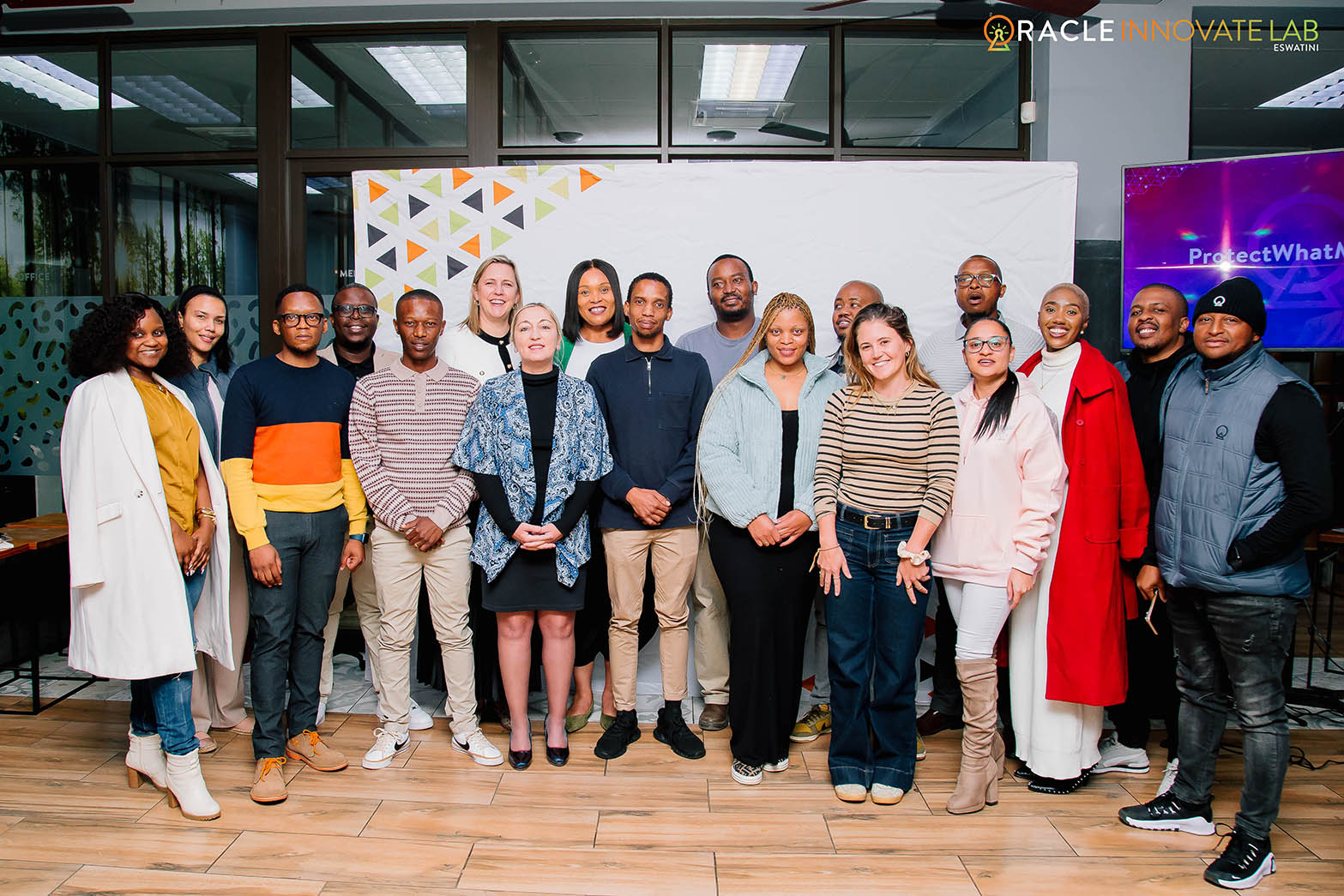
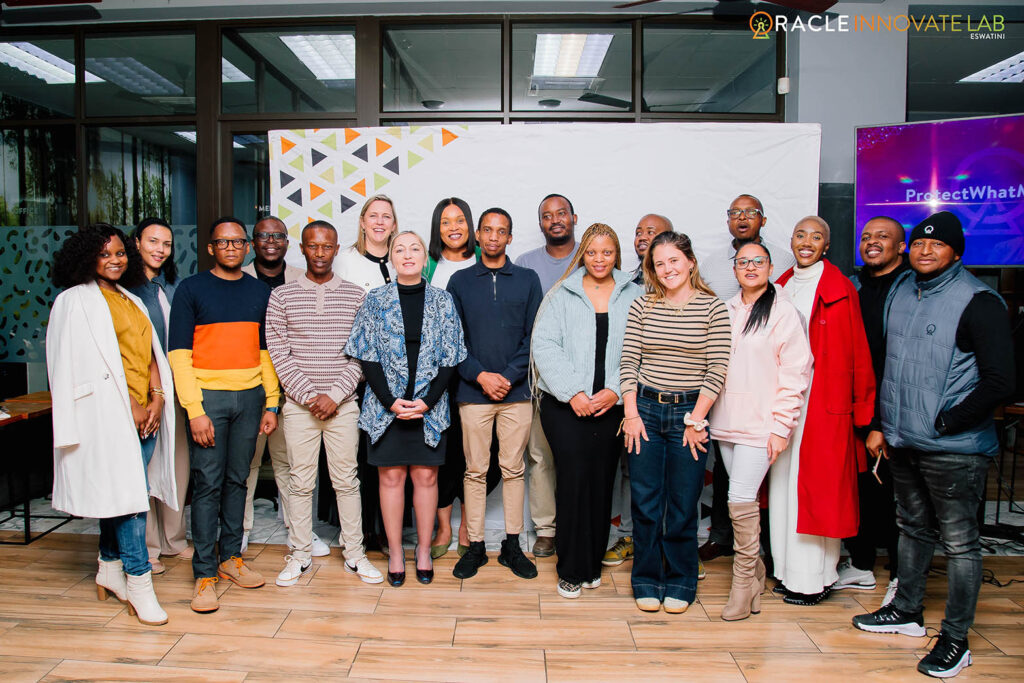
Oracle Group Eswatini has reaffirmed its commitment to growing the country’s entrepreneurial ecosystem with the launch of the second cohort of the Oracle Innovate Lab, a business accelerator designed to help small businesses build sustainable and scalable enterprises.
Launched as part of Oracle’s corporate social responsibility programme, the Innovate Lab provides entrepreneurs with practical business development support through mentorship, workshops, coaching, learning resources and pitch-readiness training. Rather than providing direct funding, the initiative focuses on equipping founders with the knowledge, confidence and networks needed to grow their businesses and create jobs.
Building entrepreneurs from the ground up
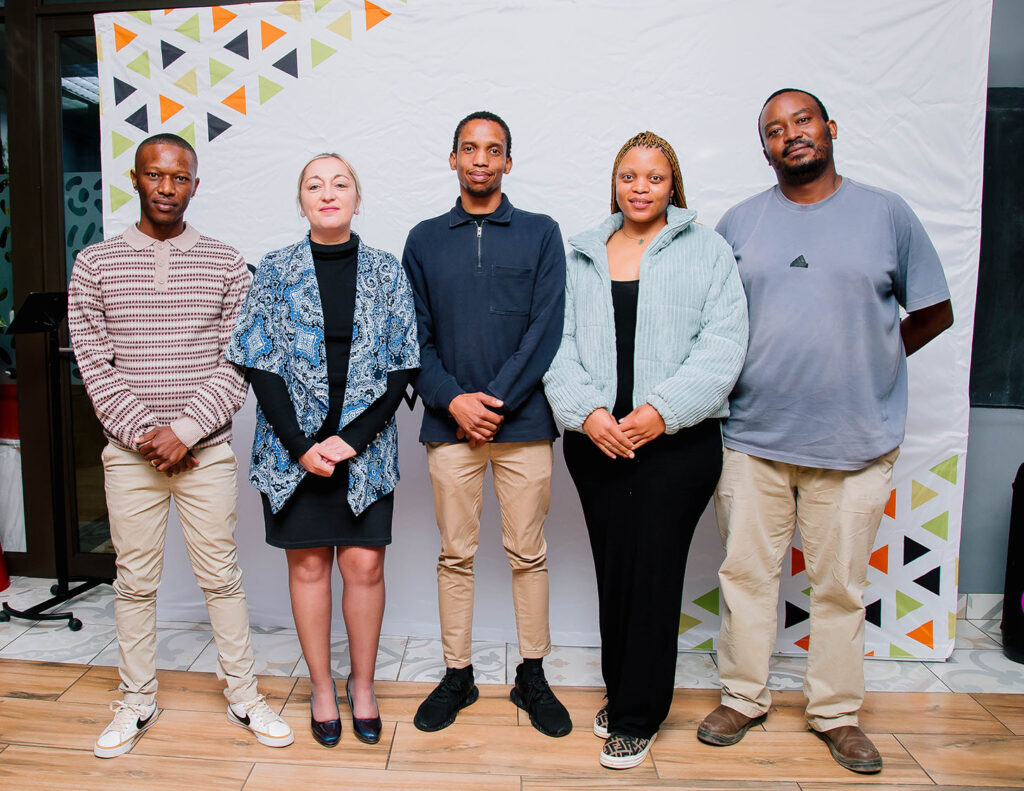
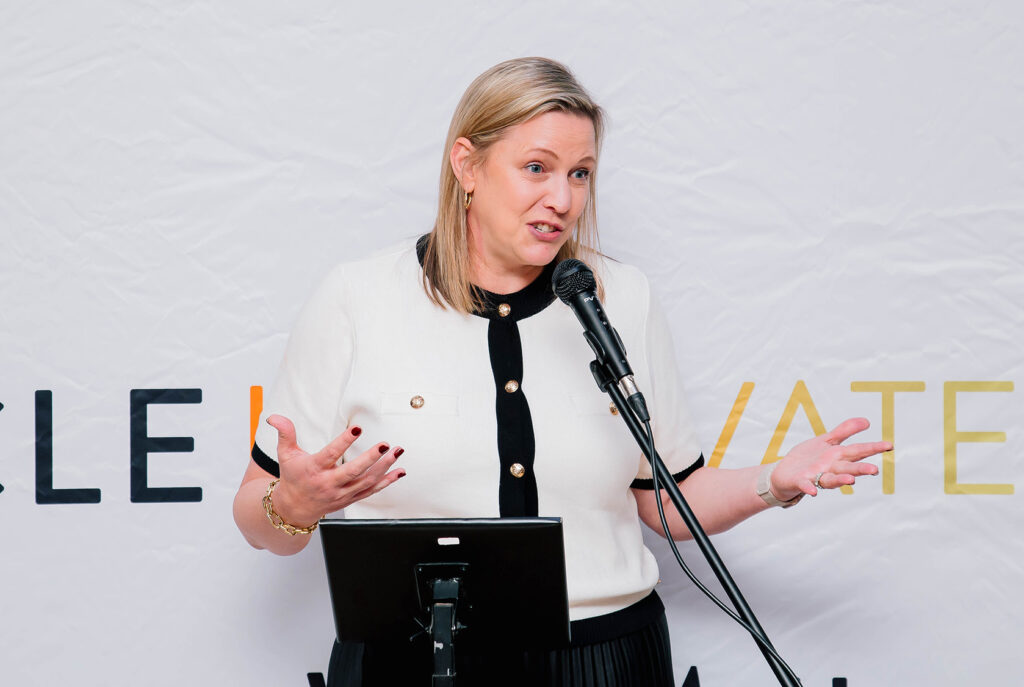
Speaking during the launch, Oracle Group Eswatini Head of People Experience Rose Hamilton said the company deliberately chose a CSR initiative that would create lasting impact.
“Oracle is not your normal insurer, so why wouldn’t our CSR be different?” she said, adding that the programme was about cultivating entrepreneurs from the grassroots rather than simply handing out money.
Hamilton congratulated the first cohort for staying the course and encouraged the new entrepreneurs to make the Innovate Lab their new home as they embark on their business growth journeys.
Thinkroom CEO Lucie Fink said the programme had already proven its value, revealing that three of the six businesses in Cohort 1 secured direct investors after completing the accelerator. She also noted growing interest in the programme, with 65 applications received this year before 14 entrepreneurs were shortlisted for interviews.
LUNA Hair + Body credit Lab for business growth
For LUNA Hair + Body Co-founders Seria Masilela and Kim Nxumalo, the biggest benefit of the Oracle Innovate Lab was its practical approach to entrepreneurship.
Masilela said the programme challenged founders to think beyond great products and instead focus on financial management, systems and long-term business strategy. Access to experienced mentors from Oracle, Thinkroom and Leadership Growth Forum also helped the business view its operations through a broader commercial lens.
Masilela encouraged the new cohort to embrace every learning opportunity, saying some of the most valuable lessons would come through conversations with mentors and fellow entrepreneurs. She believes the programme is strengthening Eswatini’s entrepreneurial ecosystem by investing in people who will create businesses, jobs and economic opportunities.
Advice for Cohort 2
Leadership Growth Forum’s Mncedzi Ngomane reminded participants that incubation programmes are designed to improve startup survival, develop entrepreneurial skills, expand access to opportunities and accelerate business growth.
He urged founders to see the Innovate Lab as a tool rather than the destination, encouraging them to remain curious, stay humble, dream beyond their current circumstances and, above all, ‘stay the course’ throughout the programme.
Cohort 2: Meet the new innovators
The second cohort brings together businesses tackling challenges across education, finance, agriculture and healthcare.
EduSphere uses artificial intelligence to deliver personalised learning support for students and teachers through web and WhatsApp platforms.
LiCebo Labs is improving access to electricity through its Fak’uGesi fintech solution
Lumi Health is strengthening private healthcare by supporting local hospitals and positioning Eswatini as a destination for specialised medical travel.
Together, the businesses reflect the Innovate Lab’s focus on supporting entrepreneurs, whose ideas can deliver meaningful social and economic impact.
























Leave a comment